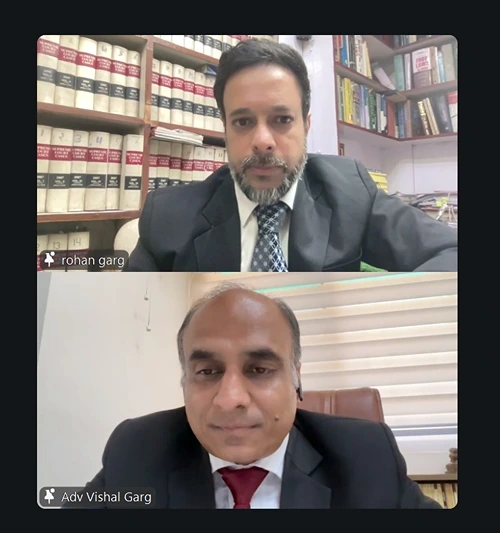
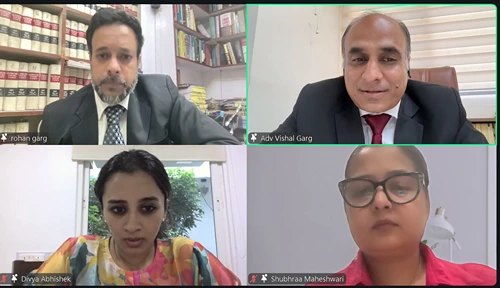
FICCI FLO, under the leadership of its 43rd National President, Ms. Puja Garg, hosted an insightful legal education webinar titled “RECOVERY: To Know an Effective and Faster Way to Recover Your Dues.” The session was led by guest speakers Mr. Rohan Garg and Mr. Vishal Garg from Lex Professionals. It aimed to help women-led businesses address bad debts and payment delays legally, and understand debt recovery processes.
The focus was primarily on summary suits as a fast-track recovery mechanism, offering a streamlined alternative to traditional recovery suits and cheque bouncing cases, which can take years to resolve. Summary suits apply to written contracts, invoices, pro forma invoices, promissory notes, and cheques in domestic and international commercial transactions. This recovery mechanism is particularly advantageous for debts above ₹1 Lakh and cases involving international or out-of-Delhi defendants.
Unlike ordinary suits where defendants have an automatic right to file a defense, summary suits require defendants to seek court permission (leave to defend) and potentially deposit admitted amounts. Also, it offers plaintiffs faster judgment outcomes within 7 to 10 months, compared to ordinary civil suits that often take years. Following are the two steps involved in a summary suit procedure:
- Step 1 — Summon for Appearance: A summon is issued to the defendant. The defendant must enter an appearance within 10 days and provide their correct address. If the defendant fails to appear within this 10-day window, the court automatically decrees the case in favor of the plaintiff.
- Step 2 — Summon for Judgment & Leave to Defend: If the defendant appears, the plaintiff serves a summons for judgment. The defendant then has a strict 10-day timeline to file a “leave to defend” application, placing a heavy burden of proof on the defendant.
During the Q&A session, speakers advised FLO members to build appropriate contractual safeguards and seek legal counsel during agreement drafting. Maintaining proper documentation—including contracts, invoices, pro forma invoices, and written communications—is also crucial to establishing a clear debt claim. When dealing with private limited companies, ensure agreements include clauses for personal liability or undertakings by directors to protect against company default or liquidation.
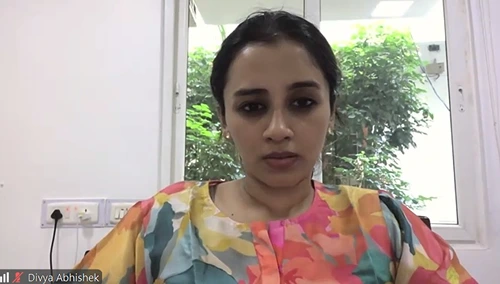
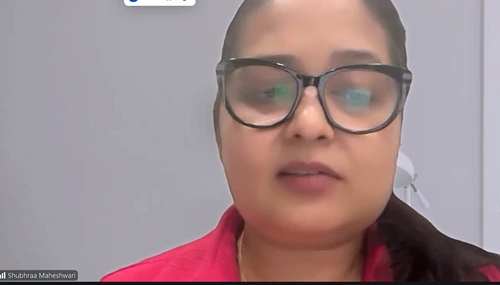
Participants were advised to include a specific interest rate (e.g., 18% or 24%) on invoices to ensure a higher interest rate is applicable in case of recovery litigation. For international bad debts, review contract jurisdiction clauses; if no governing law is mentioned, the law of India may apply, allowing for summary suit options. The virtual session is part of the FLO Legal & Advocacy initiative, led by Ms. Divya Abhishek (Lead) and Shubhra Maheshwari (Co-Lead).