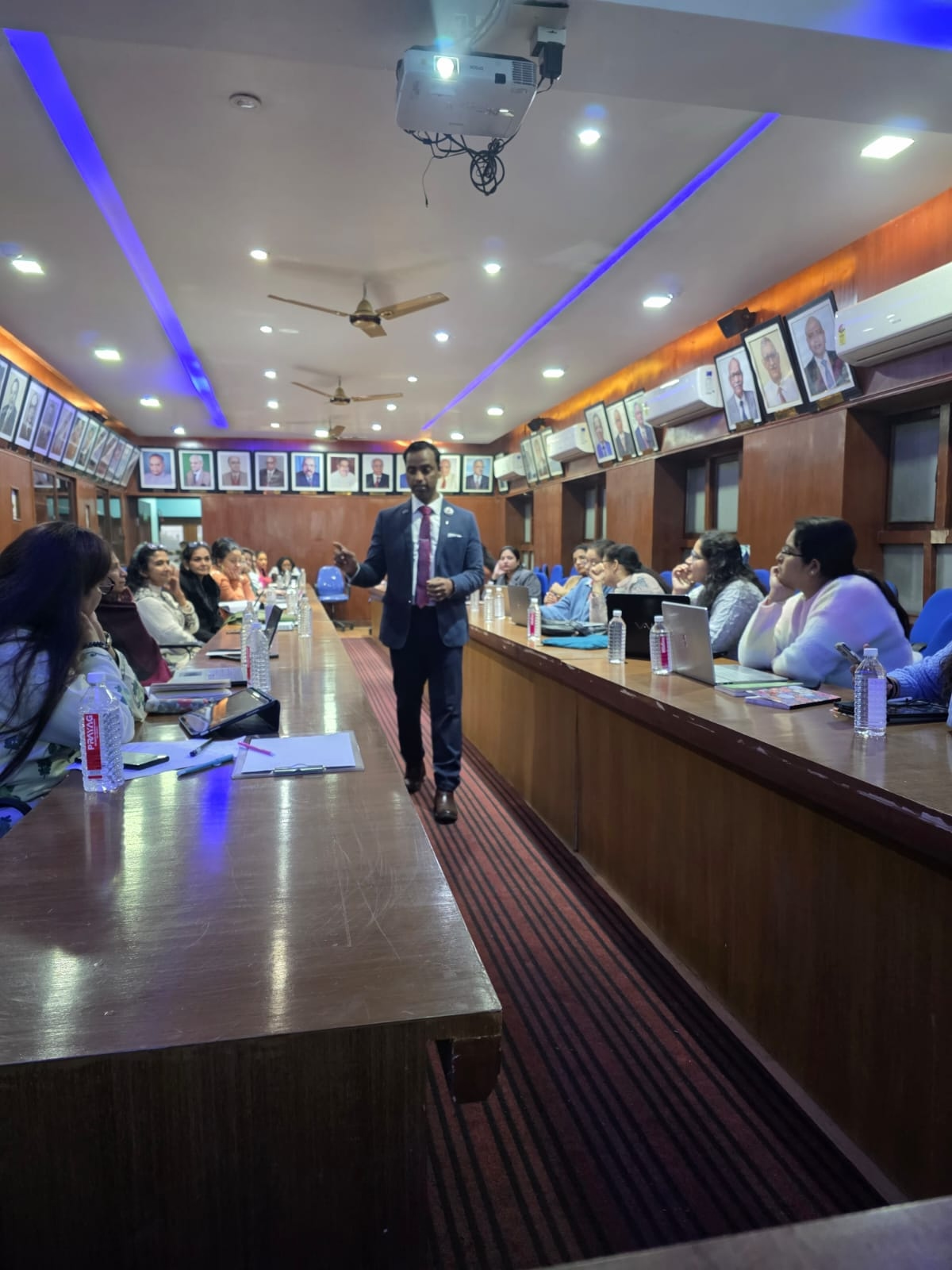
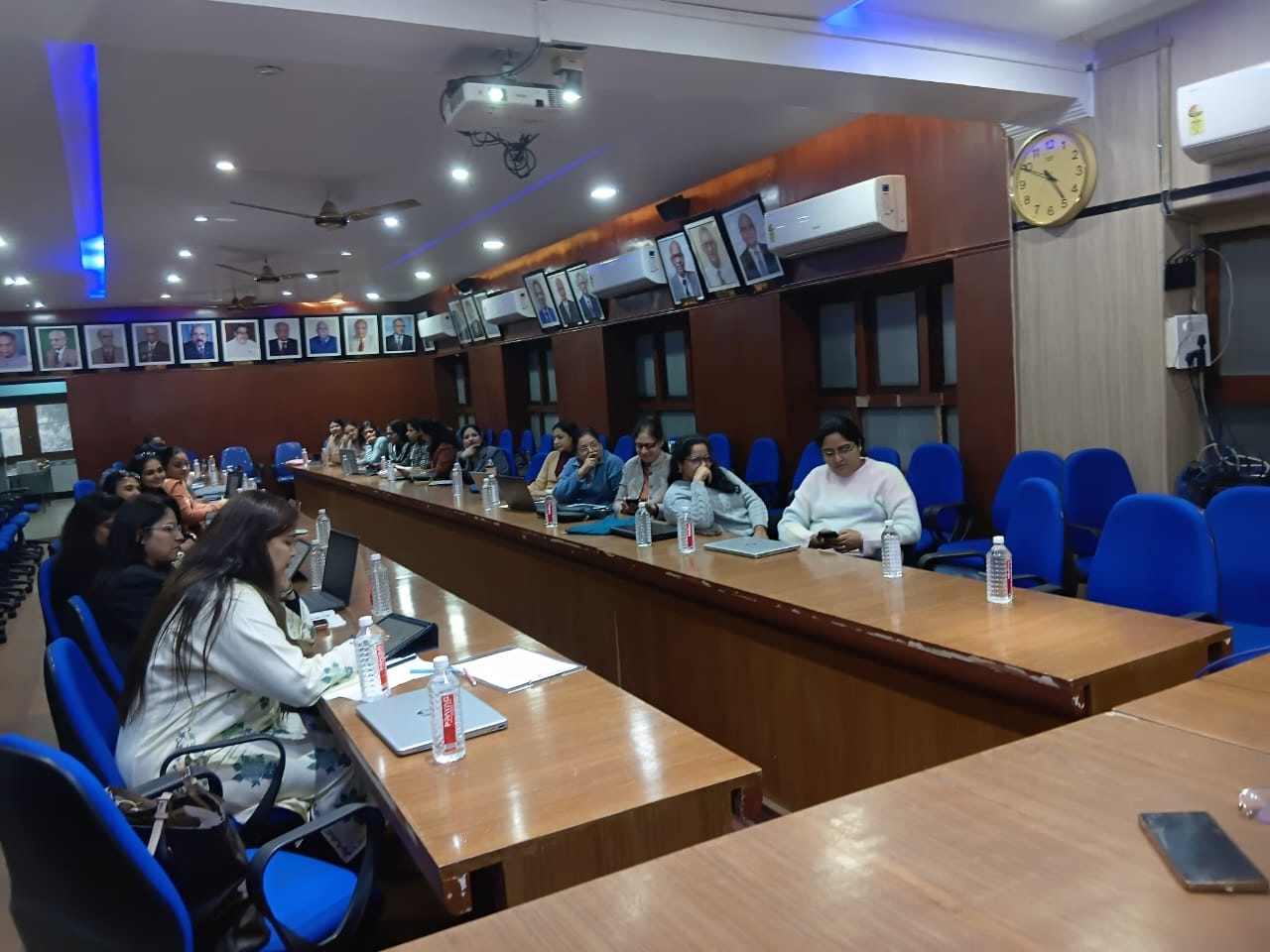
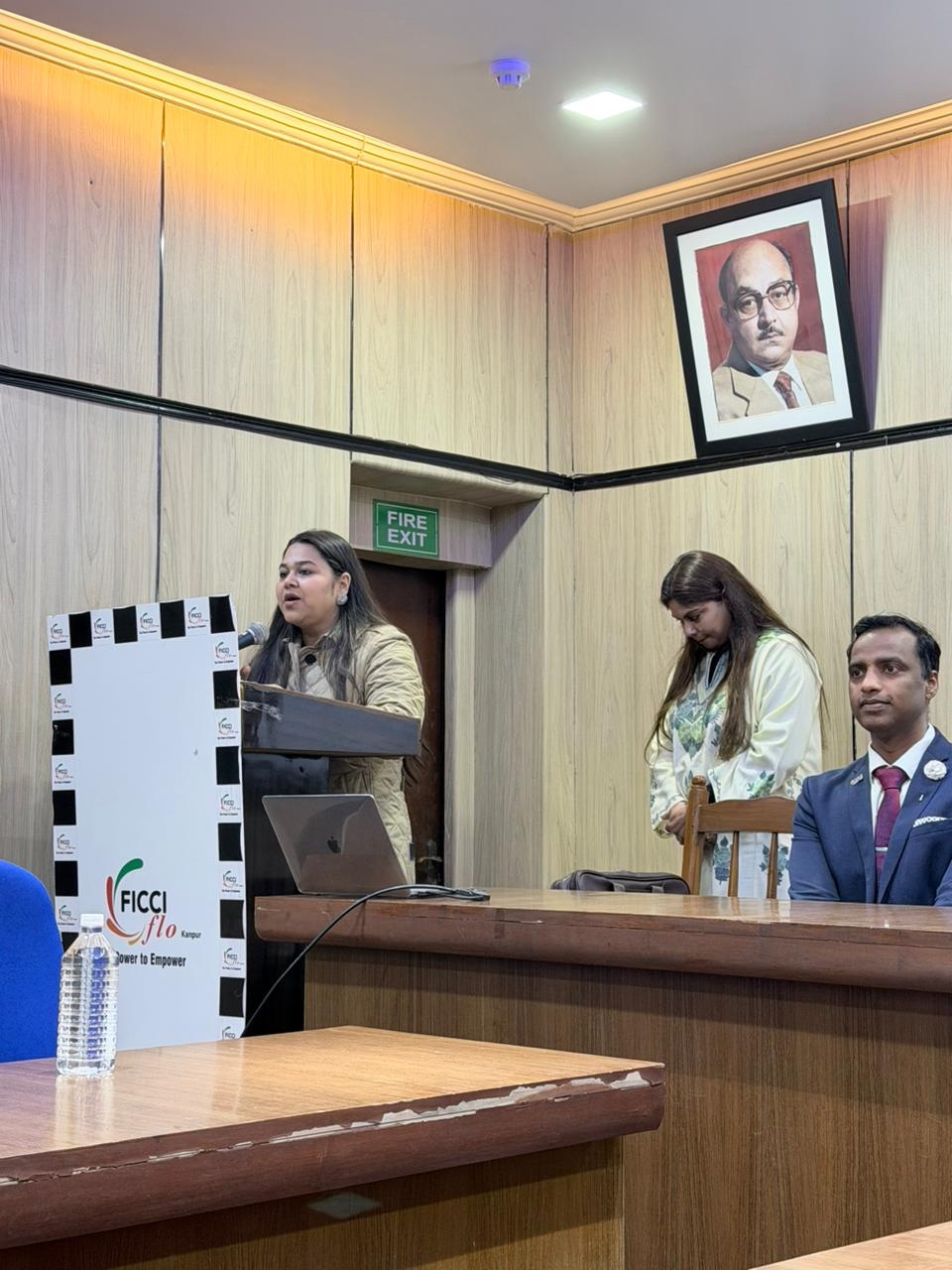
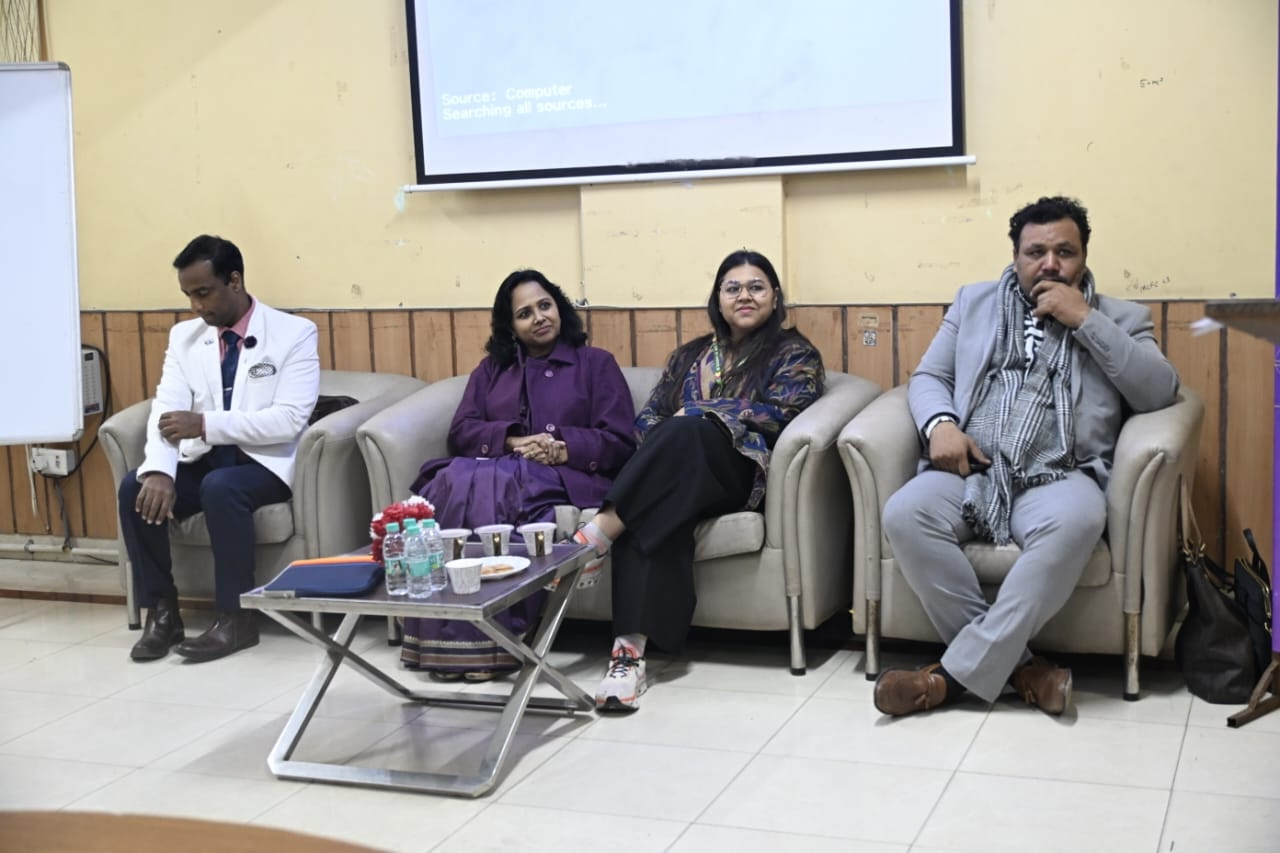
FLO Kanpur, under the Linkages between Industry and Academia Vertical, organized an insightful panel discussion on the theme “Evolving Education Landscape of India”, highlighting the rapidly changing education choices available to parents and students today. The discussion created awareness about the changing education ecosystem in India. Experts discussed emerging trends in skill-based learning, AI adoption, and diverse academic pathways to help students and parents make informed decisions for future readiness.
The panel featured eminent education leaders and experts, including:
- Mr. Pulkit Marwah (Masters’ Union)
- Prof. Moitrayee Das (FLAME University)
- Dr. Ritu Sharma (Cambridge International Education)
- Mr. Harish Sanduja (Seth Anandram Jaipuria School)
The panellists deliberated on the significant shift from traditional, conventional institutions such as IITs and IIMs towards liberal universities, private institutions, and international education pathways. They discussed how this transition is reshaping aspirations, career trajectories, and the overall approach to higher education in India.
The panel also highlighted the growing importance of skill-based education, experiential learning, and the adoption of Artificial Intelligence in academic and professional environments. Experts emphasized that future-ready students need a blend of technical knowledge, creativity, adaptability, and critical thinking, rather than purely traditional academic credentials.
The discussion further underscored the need for stronger collaboration between industry and academia to bridge the skills gap, foster innovation, and align education with evolving workforce requirements.
The event was attended by over 200 participants, including parents, students, educators, and industry professionals, and was very well received across all stakeholder groups for its relevance, depth, and practical insights.
Impact
- Over 200 participants benefited from the discussion
- Enhanced understanding of the evolving education landscape
- Greater awareness of diverse academic pathways beyond traditional institutions
- Improved understanding of skill-based learning and AI integration in education
- Strengthened engagement between academia, industry, parents, and students