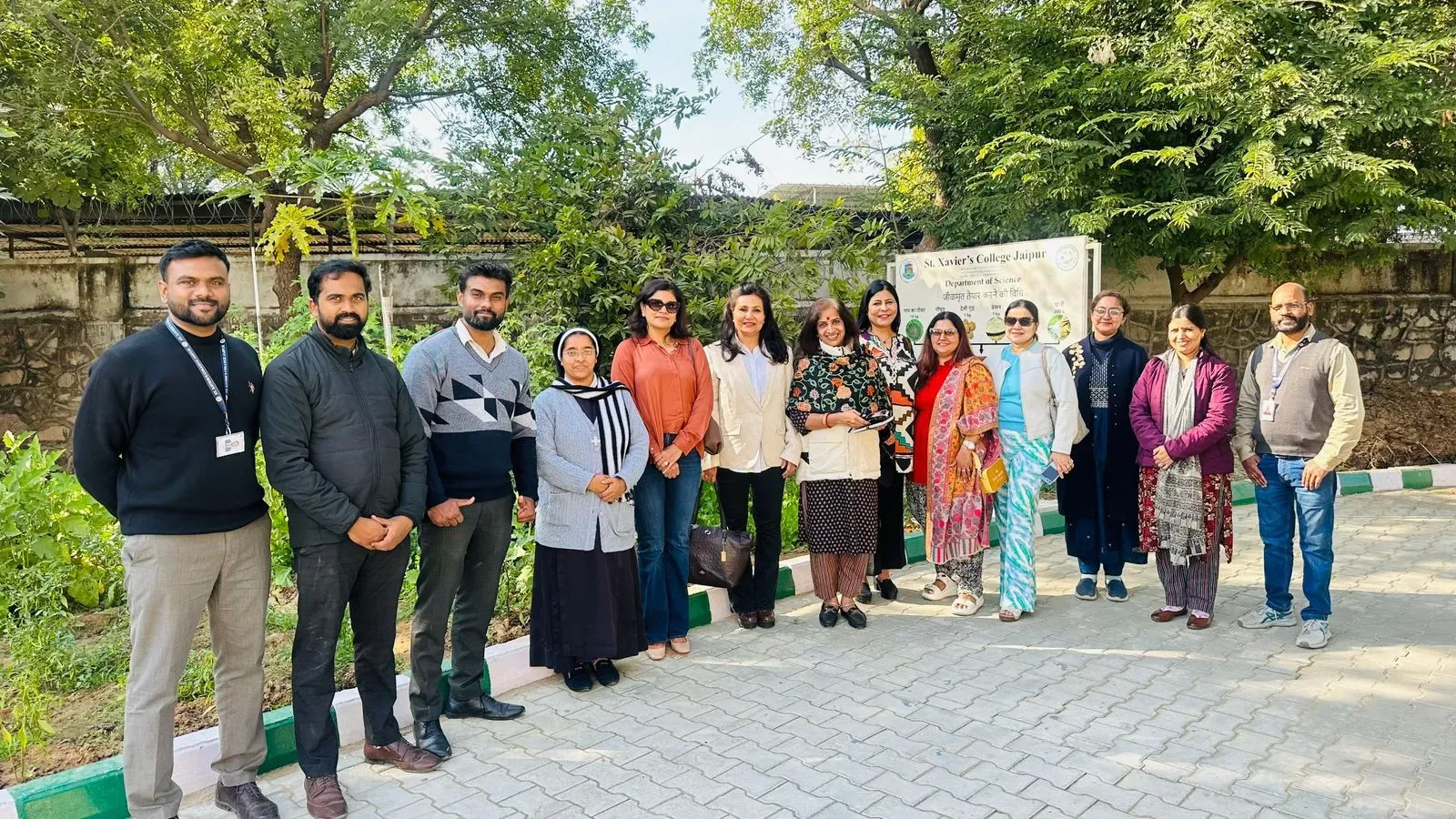
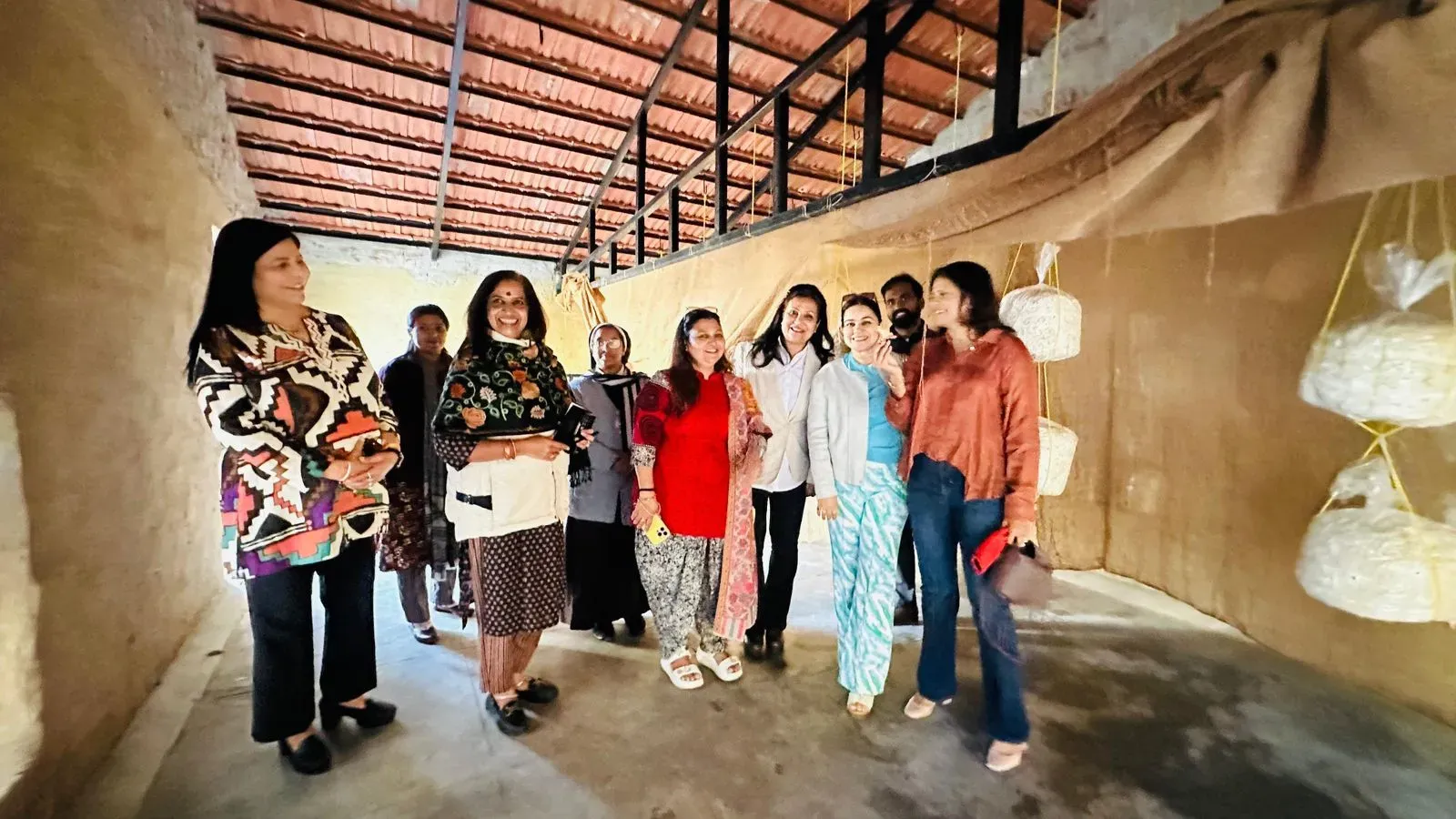
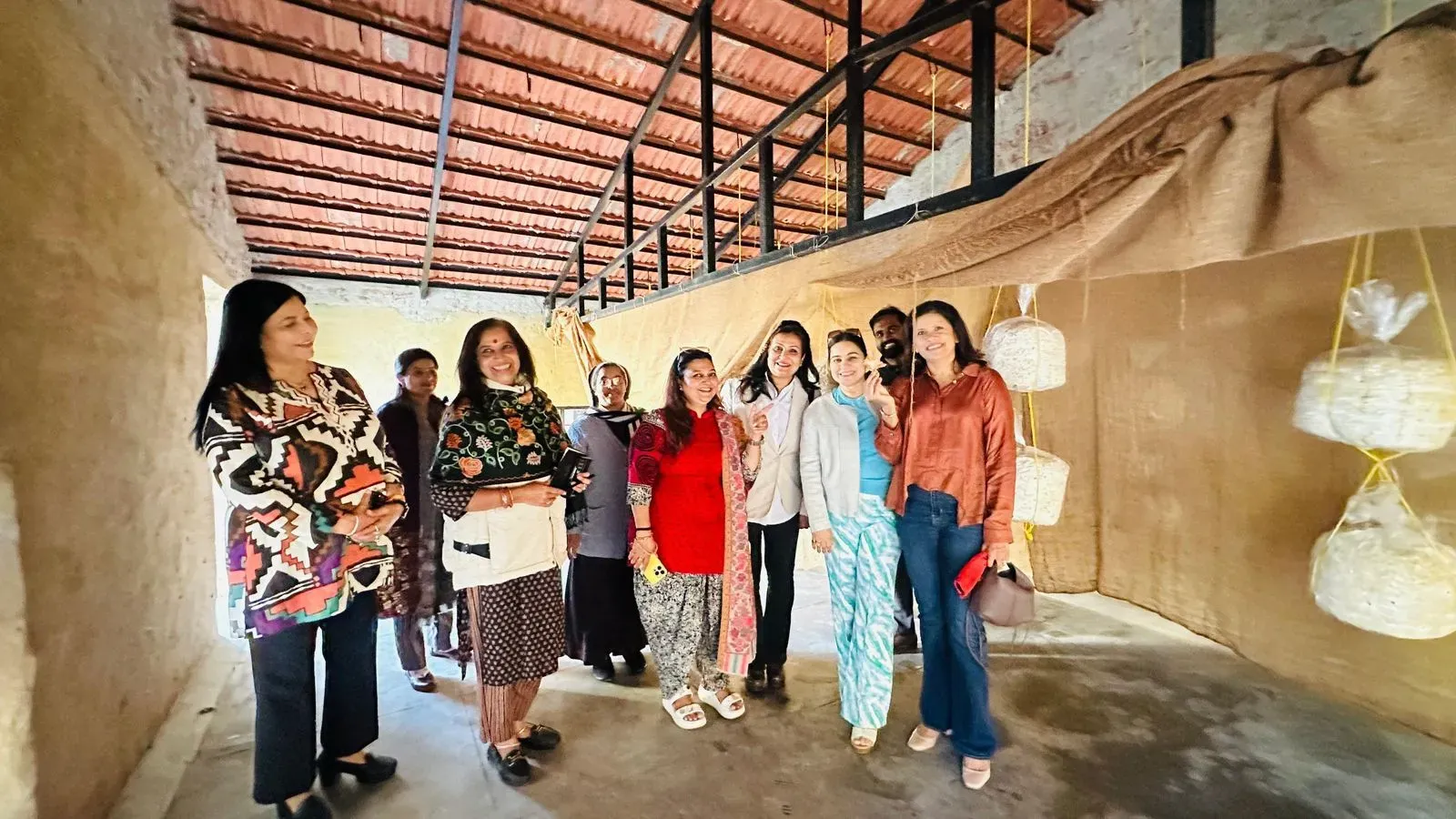
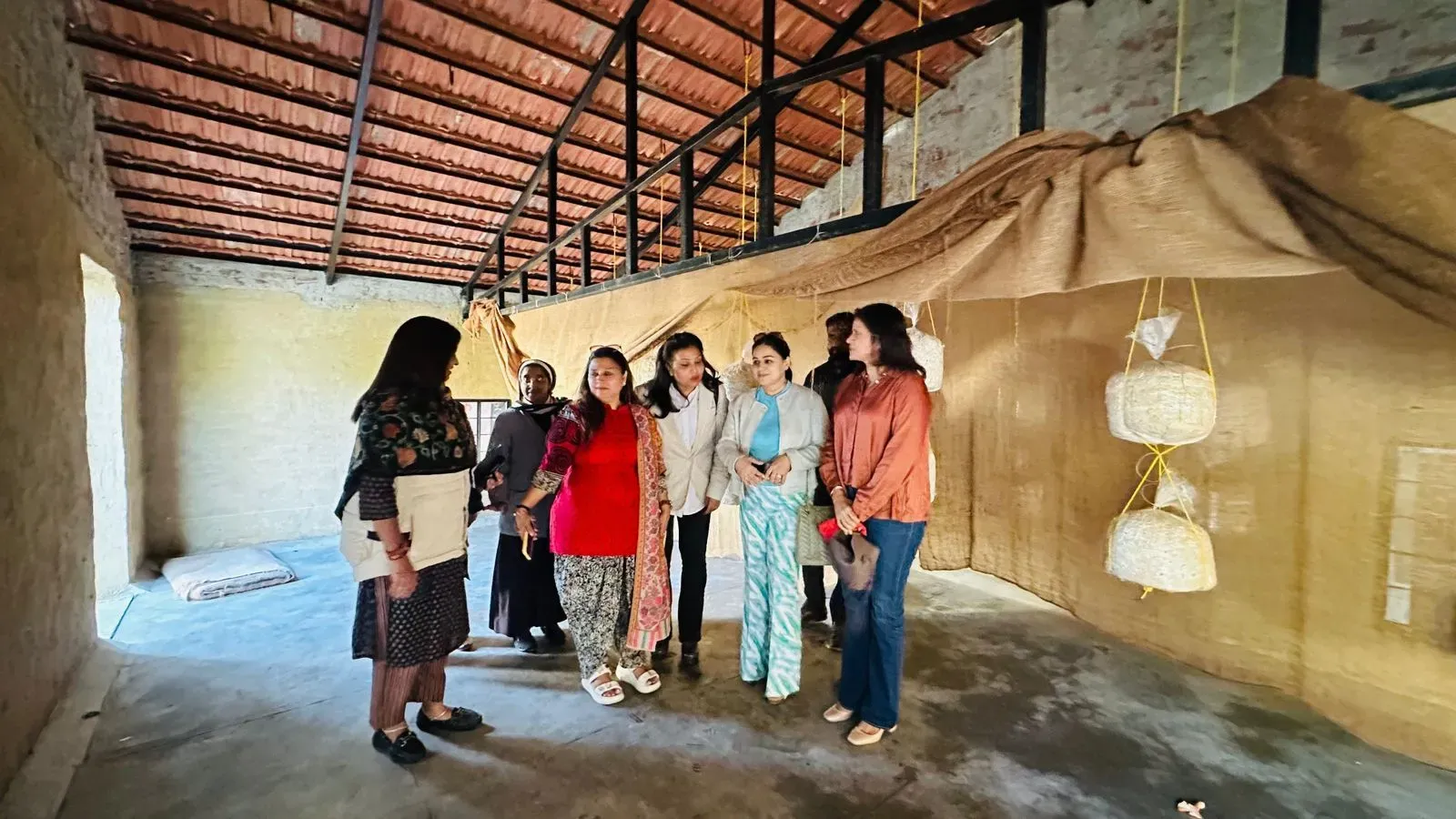
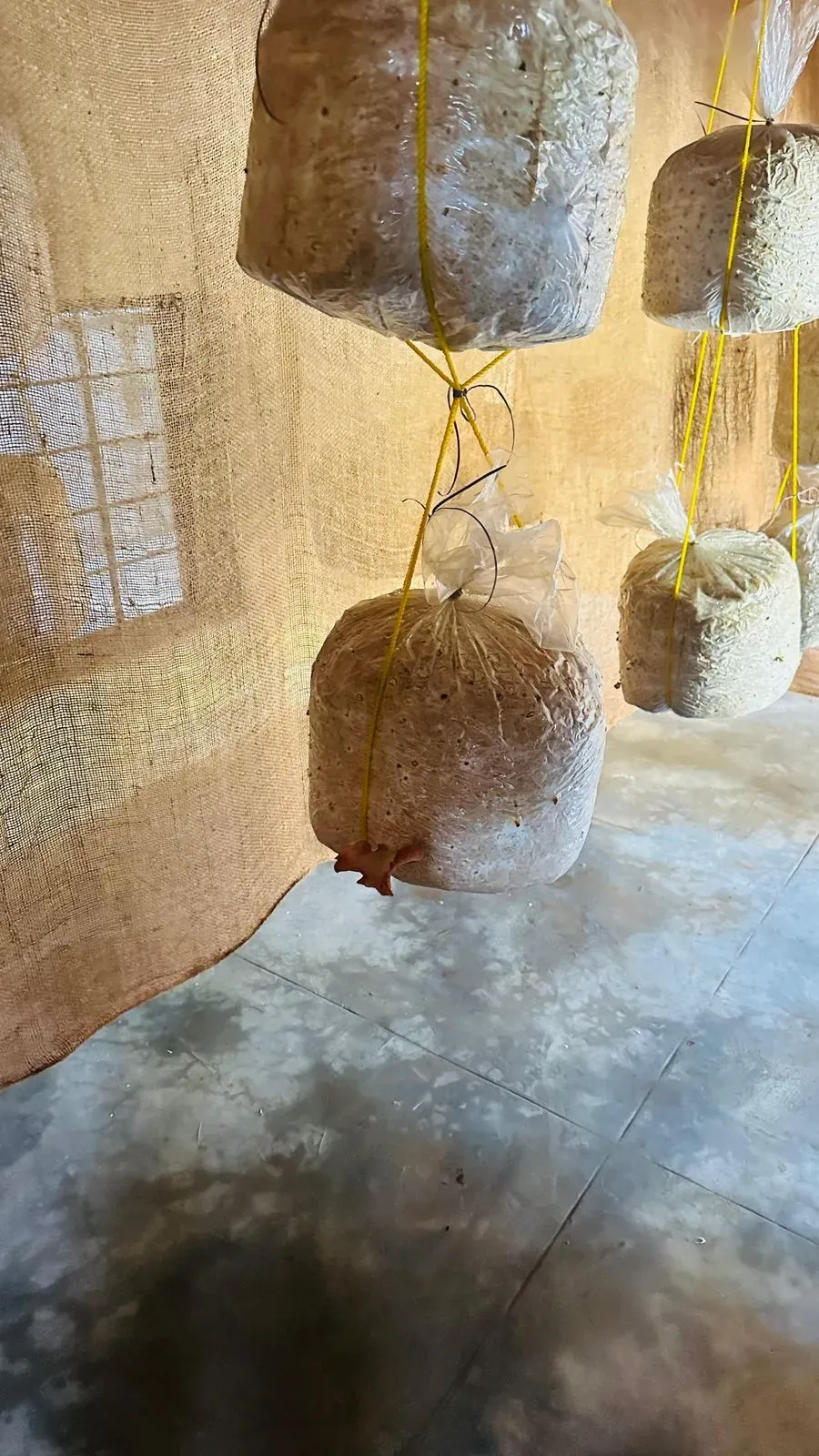
FICCI FLO Jaipur Chapter observed a comprehensive model of organic farming and integrated waste management at St. Xavier’s College, showcasing practical and scalable approaches to environmental sustainability. The initiative highlighted how responsible waste management and organic practices can be integrated into institutional and community-level ecosystems.
INITIATIVE BACKGROUND
The programme was designed to demonstrate end-to-end sustainability practices, emphasising the transformation of organic and biodegradable waste into valuable agricultural inputs. Through systematic processes such as waste segregation, vermicomposting, and preparation of jaivik khaad, the initiative illustrated a closed-loop sustainability model.
IMPLEMENTATION
- Systematic segregation of organic and biodegradable waste
- Vermicomposting and decomposed organic matter processing
- Preparation and application of jaivik khaad for soil enrichment
- Organic vegetable cultivation as part of a closed-loop farming system
- Integration of waste management with sustainable agriculture
OUTCOMES & IMPACT
- Promoted environmentally responsible waste management practices
- Strengthened awareness of sustainable farming and resource efficiency
- Demonstrated scalable models for community-level sustainability
- Encouraged self-sufficiency while maintaining ecological balance
CONCLUSION
- Integrated waste management is central to sustainable agricultural practices
- Organic farming models support environmental and economic resilience
- Closed-loop systems minimise waste while maximising resource utilisation
- Sustainable practices contribute to healthier communities and ecosystems