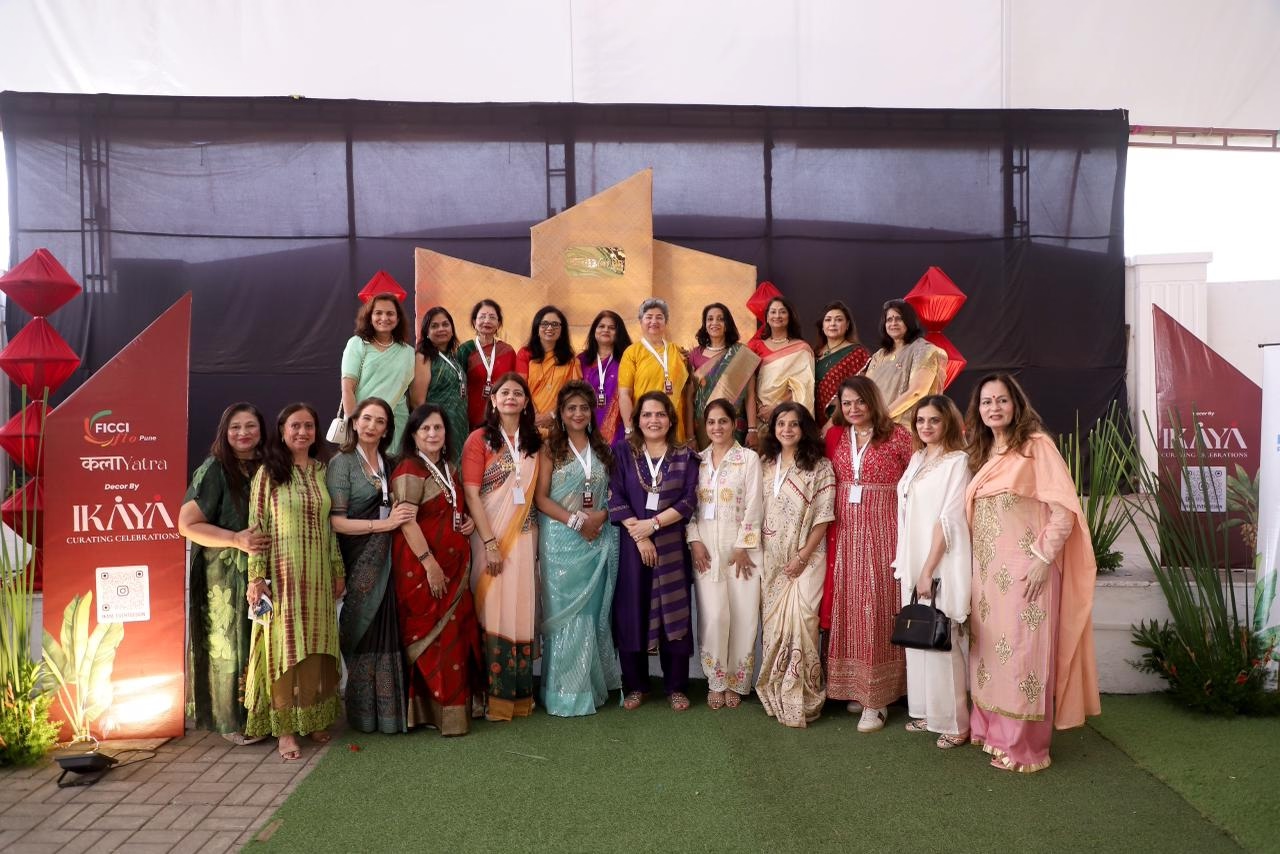
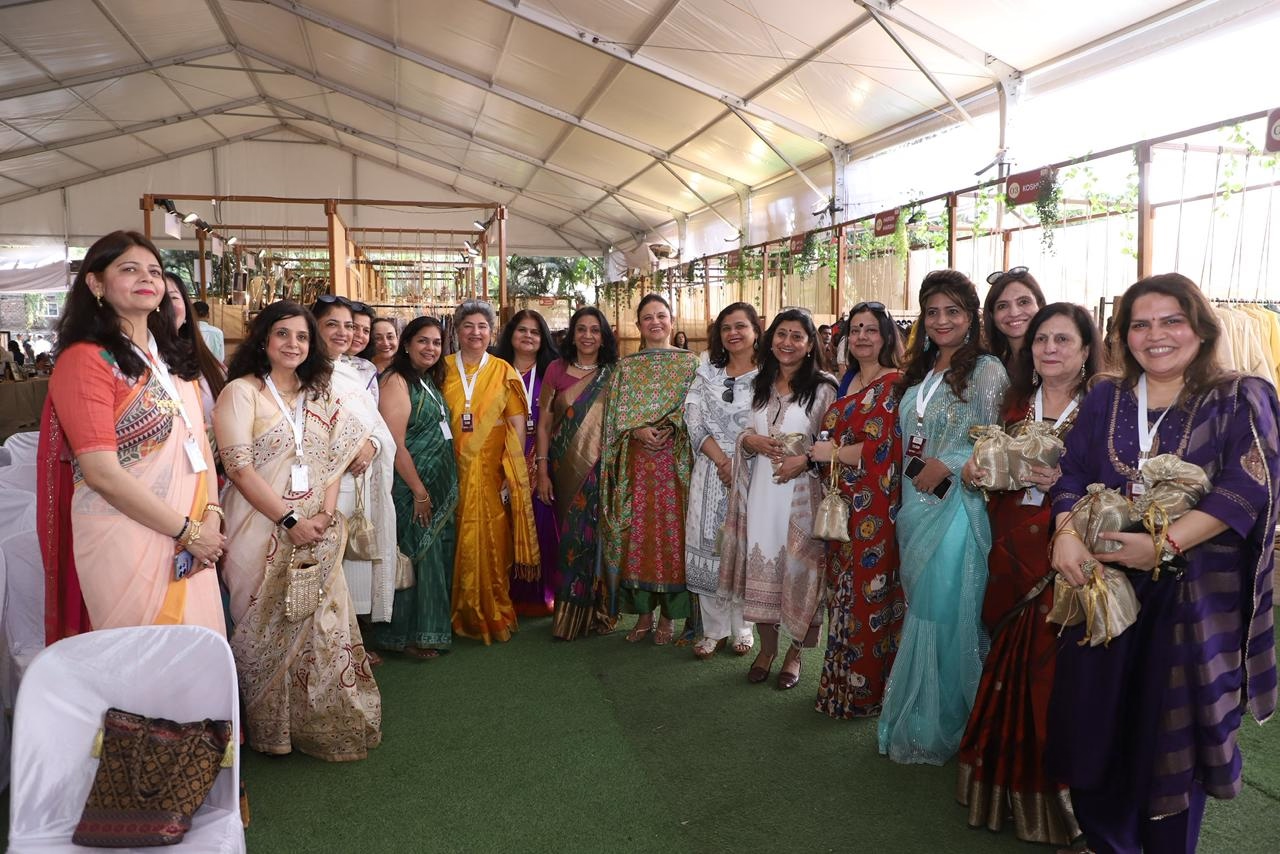
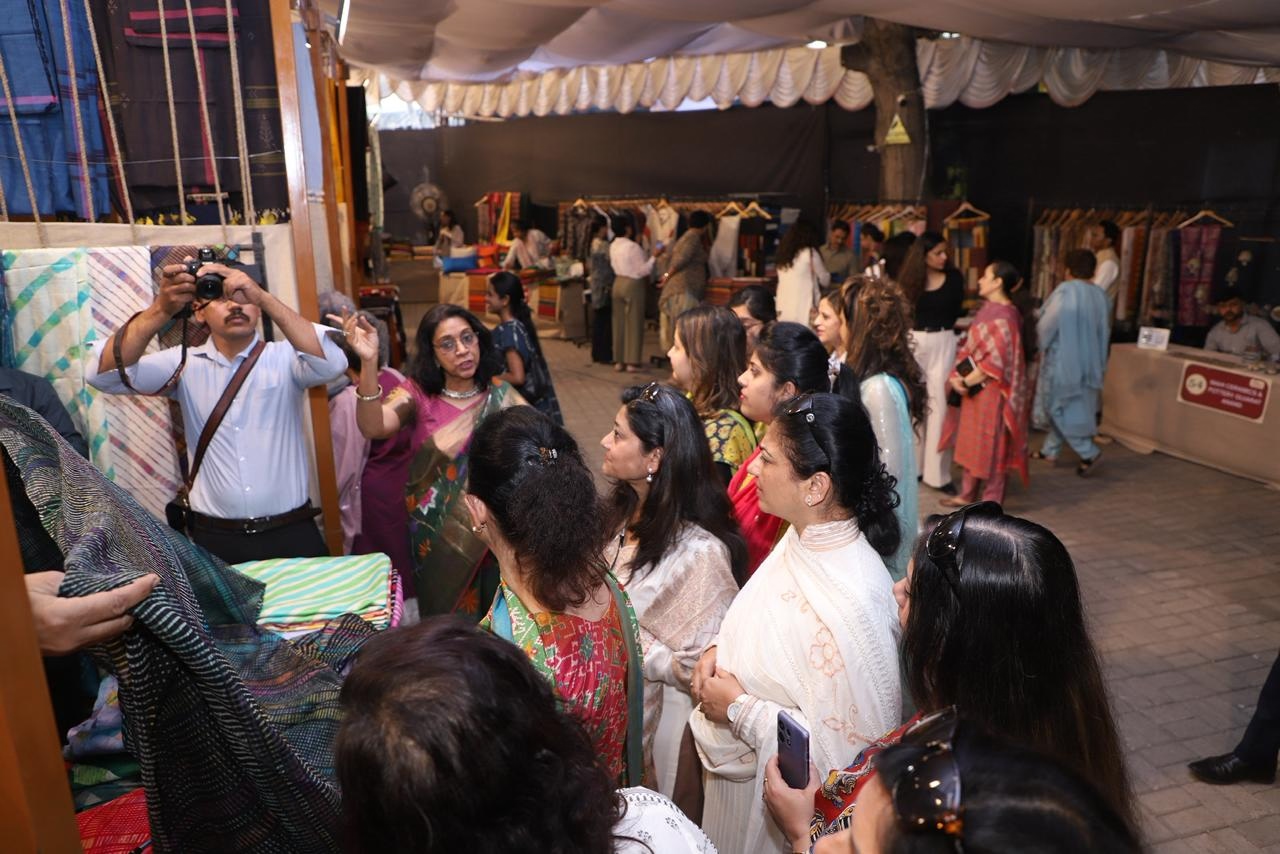
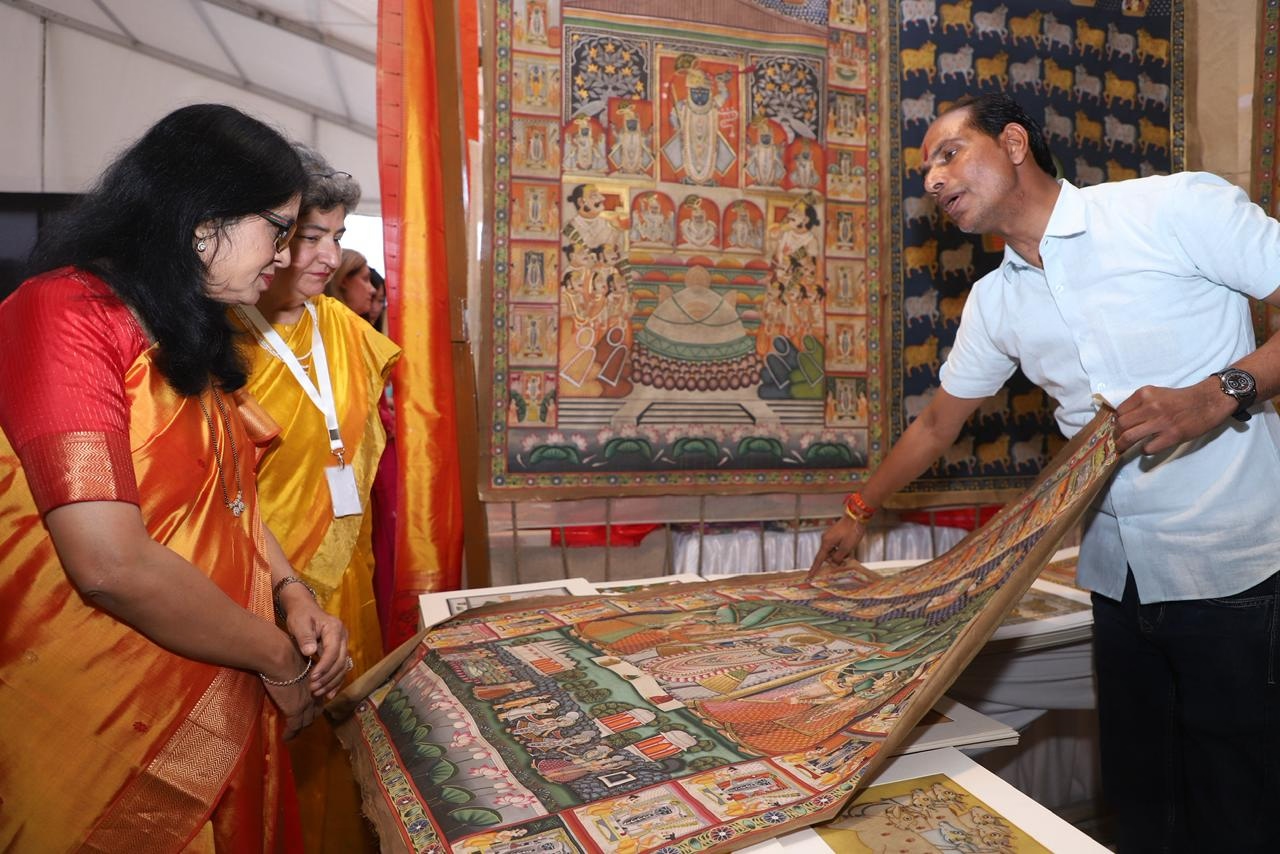
Kala Yatra 2025-26 was an experiential fair organized under the auspices of the FLO Pune Chapter, and its Handloom, Textiles, and Handicrafts Initiatives. Held on January 16 and 17, 2026, at the Poona Club in Pune, Maharashtra, the event served as a vibrant platform to showcase India’s finest craftsmanship. It brought together artisans from remote villages, National Awardee artisans, and leading brands from across the country, emphasizing women’s empowerment, cultural heritage, and entrepreneurial innovation.
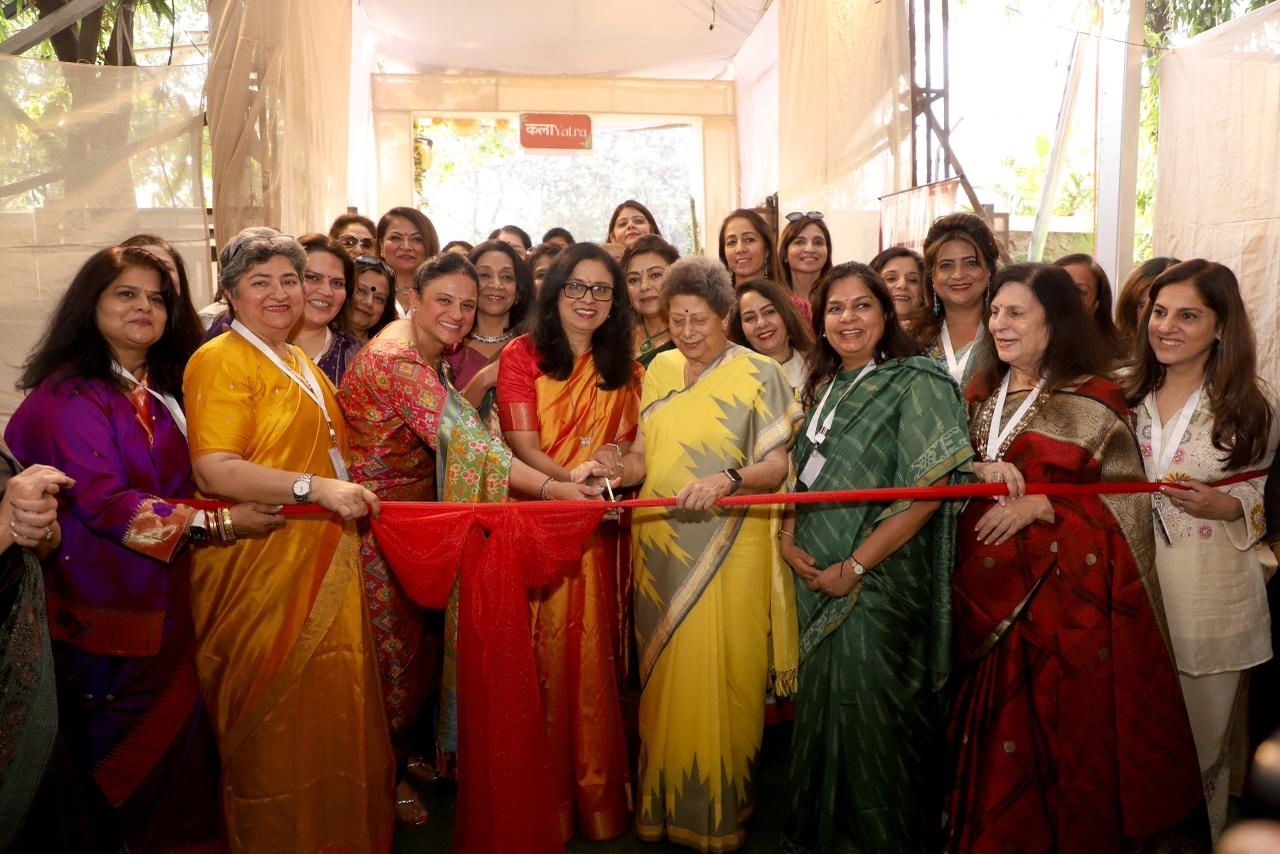
Inaugurated by prominent figures Dr. Vidya Yerwadekar and Ms. Suman Kirloskar, the fair was conceptualized and executed entirely by women, highlighting the strength of female-led initiatives. The event achieved tremendous success, benefiting a majority of participants, and its proceeds are directed toward upskilling women, supporting MSMEs, and other social causes. This report provides a comprehensive overview of the event’s objectives, execution, impact, and key stakeholders.
Event Overview
KalaYatra 2025-26 was spearheaded by Anita Agarwal, serving as the Chairperson for the FICCI FLO Pune Chapter during the 2025-26 term. The Federation of Indian Chambers of Commerce and Industry (FICCI) FLO (FICCI Ladies Organisation) is a prominent women-led body focused on empowering women entrepreneurs and professionals. Under Agarwal’s leadership, Kala Yatra was designed as an experiential fair to celebrate and promote India’s rich artisanal traditions while fostering economic opportunities for women.
Along with her, the Initiative head, Pooja Chheda & the team of Handloom, Textiles, & Handicrafts Initiatives put their best foot forward for the Fair. The fair aligned with FLO’s broader mission of women’s empowerment, skill development, and community upliftment. It was entirely conceptualized and executed by the ladies of the organization, underscoring the theme of “women supporting women.” This approach not only amplified the event’s authenticity but also served as a model for collaborative, gender-inclusive initiatives in the cultural and economic sectors.
Objectives
The primary goals of Kala Yatra were multifaceted:
- Promotion of Craftsmanship: To highlight handwoven textiles, couture, home decor, and other artisanal products, blending tradition with modern innovation.
- Empowerment and Inclusion: To support artisans from remote villages, including National Awardees, and provide them with a national platform for visibility and sales.
- Entrepreneurship and Innovation: To inspire women to pursue their dreams by showcasing successful entrepreneurial stories within the artisan community.
- Social Impact: To generate proceeds for upskilling programs for women, bolstering Micro, Small, and Medium Enterprises (MSMEs), and funding various social initiatives undertaken by the FLO Pune Chapter.
The event was officially inaugurated on January 16, 2026, at the Poona Club in Pune. The ceremony was graced by two distinguished guests:
- Dr. Vidya Yerwadekar, Pro Chancellor of Symbiosis International University, who brought an academic and educational perspective to the empowerment narrative.
- Ms. Suman Kirloskar, a notable figure in Pune’s social and business circles, adds prestige and community endorsement.
Their presence symbolized the intersection of education, industry, and culture, setting a tone of inspiration and collaboration for the fair.
The Poona Club, a spacious and centrally located venue in Pune, was chosen as the host site. Its accessibility facilitated high footfall from local residents, tourists, and industry professionals. As the venue partner, the Poona Club provided an elegant backdrop that enhanced the experiential nature of the fair,
allowing for interactive stalls, demonstrations, and networking spaces. The choice of a historic club also resonated with the event’s theme of celebrating India’s heritage.
Participants and Exhibits
Diverse Participation
Kala Yatra attracted a wide array of participants, creating a unique ecosystem of talent and enterprise:
- Artisans from Remote Villages: Craftspeople from underserved rural areas were given prominence, enabling them to connect directly with urban consumers and buyers.
- National Awardee Artisans: Renowned artisans honored with national accolades showcased their masterpieces, adding a layer of excellence and credibility.
- Leading Brands: Established brands from across India participated, bridging grassroots craftsmanship with commercial scalability.
This mix ensured a comprehensive representation of India’s artisanal landscape, from traditional weavers to innovative designers.
The fair focused on a variety of categories, all rooted in India’s cultural heritage:
- Handwoven Textiles: Fabrics and garments featuring intricate weaves, dyes, and patterns from different regions.
- Couture and Fashion: Designer wear that fused traditional motifs with contemporary styles.
- Home Decor: Artisanal items such as pottery, furnishings, and decorative pieces.
- Other Categories: Jewellery, accessories, and lifestyle products that emphasized sustainability and ethical production.
The event promoted a “vibrant blend of tradition, innovation, and entrepreneurship,” encouraging visitors to appreciate the stories behind each creation. Interactive elements, such as live demonstrations and workshops, allowed attendees to engage experientially, fostering deeper connections between artisans and the public.
Event Outcomes
Kala Yatra was deemed a tremendous success, particularly for the majority of weavers, artisans, and exhibitors. Key indicators of success included:
- High Engagement: Strong attendance and positive feedback from visitors, who appreciated the quality and diversity of exhibits.
- Economic Benefits: Significant sales and networking opportunities for participants, leading to potential long-term partnerships and orders. • Media and Public Recognition: The fair garnered attention as a testament to women’s collective power, inspiring broader discussions on artisan empowerment.
As a step toward empowering women, Kala Yatra celebrated India’s rich heritage and talent while addressing key social issues:
- Women Empowerment: By providing a platform led by and for women, it encouraged female entrepreneurship and self-reliance.
- Artisan Upliftment: It highlighted the immense potential of India’s craftsmen, often from marginalized communities, promoting sustainable livelihoods.
- Cultural Preservation: The event preserved and innovated traditional crafts, ensuring their relevance in a modern economy.
The fair’s success reinforced the power of collaborative efforts, demonstrating how women-led initiatives can drive positive change.
All proceeds from Kala Yatra 2025-26 are earmarked for impactful causes aligned with FLO Pune’s mission:
- Upskilling Women: Programs to enhance skills in crafts, business management, and digital literacy.
- Supporting MSMEs: Assistance for small businesses, including funding, mentoring, and market access.
- Other Social Initiatives: Broader community projects, such as education, health, and environmental efforts undertaken by the chapter.
This strategic allocation ensures that the event’s benefits extend beyond the fair, creating lasting ripple effects in society.
Sponsors and Partners
A special acknowledgment goes to the sponsor partners who made Kala Yatra possible:
- Suhana: A leading brand in spices and food products, contributing to the event’s promotional and logistical needs.
- Finolex Pipes: A prominent manufacturer in the infrastructure sector, supporting through sponsorship.
- Mukul Madhav Foundation: A charitable organization focused on social welfare, aligning with the fair’s empowerment goals.
- Venue Partner: The Poona Club: Provided the hosting facilities, ensuring a seamless experience.
Their involvement not only facilitated the event’s execution but also amplified its reach and credibility.
Conclusion
Kala Yatra 2025-26 stands as a shining example of how cultural events can drive empowerment, innovation, and community development. Under Anita Agarwal’s visionary leadership, the fair not only showcased India’s artisanal brilliance but also inspired countless women to pursue their aspirations. As FLO Pune continues its work, events like this will undoubtedly pave the way for a more inclusive and vibrant future. For further details or involvement opportunities, interested parties are encouraged to connect with the FICCI FLO Pune Chapter.