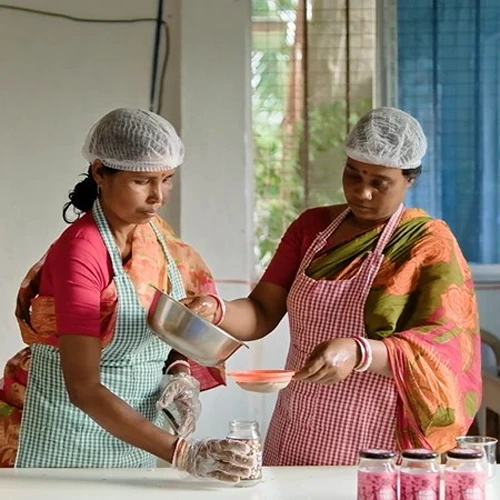
Under its Food & Agriculture Processing Initiative, FLO Kolkata partnered with Humtree to strengthen sustainable livelihood opportunities for women farmers engaged in organic honey production on Bali Island in the Sundarbans. The initiative was conceived with the objective of supporting women-led rural enterprises by connecting traditional, environmentally conscious production practices with wider market opportunities.
While the women possess valuable knowledge and experience in honey cultivation and harvesting, sustained access to consumers and reliable platforms for product visibility remain essential for transforming such skills into stronger and more consistent sources of income.
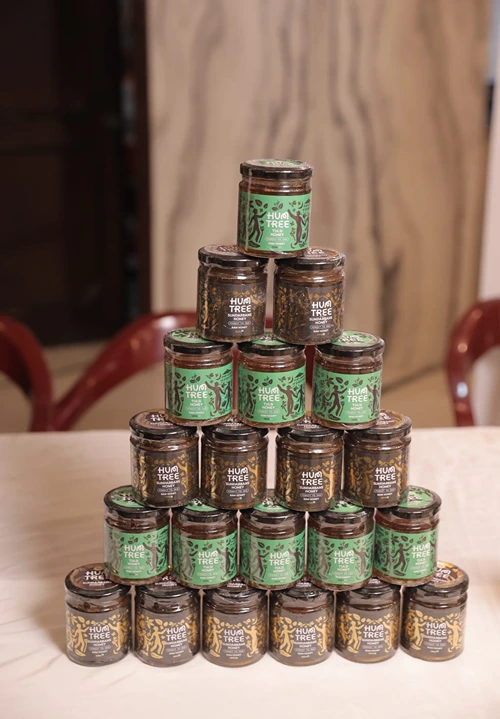
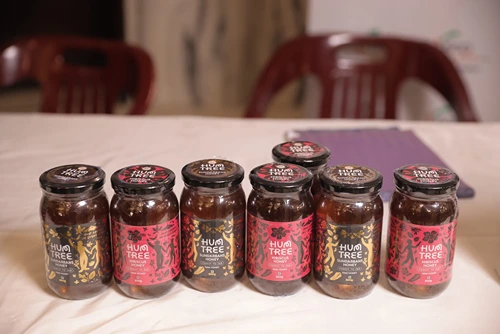
Through this initiative, FLO Kolkata sought to facilitate greater market access and year-round visibility for sustainably harvested, authentic and lab-tested organic honey.
A key objective was to support women not merely as beneficiaries, but as entrepreneurs and contributors to a sustainable rural economy. By creating opportunities for their products to reach wider audiences through FLO Kolkata Chapter events and kiosks, the initiative sought to strengthen income generation and build greater recognition for women-led enterprises. The Humtree x FLO Kolkata Women-Led Organic Honey Initiative recognises the economic potential of traditional and environmentally responsible rural enterprises.
While the women possess the skills and experience required for honey production, one of the most significant challenges faced by rural enterprises is access to consistent markets. The Humtree x FLO Kolkata collaboration was therefore developed to help bridge the gap between production and consumers by creating opportunities for the women’s products to reach wider audiences.
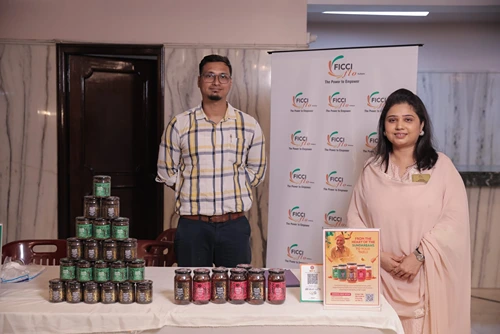
Through FLO Kolkata Chapter events and kiosks, the initiative has facilitated ongoing retail and promotional opportunities, creating a platform for authentic, sustainably harvested and lab-tested organic honey. This year-round market approach is intended to strengthen income-generation opportunities and support the gradual growth of women-led rural enterprises.
Key Takeaways
- Over 100 women farmers from Bali Island, Sundarbans, were connected with an ongoing platform for livelihood support and market visibility.
- The initiative supports women-led organic honey enterprises, recognising rural women as entrepreneurs and contributors to the local economy.
- More than 400 family members stand to benefit from strengthened livelihood and income-generation opportunities.
- The collaboration promotes sustainably harvested, lab-tested organic honey, strengthening consumer confidence while supporting environmentally responsible production.
- Traditional and indigenous knowledge associated with rural honey production is being supported alongside opportunities for greater commercial visibility.
- Ongoing retail and promotional opportunities through FLO Kolkata Chapter events and kiosks are helping create year-round market access.
- The initiative demonstrates the importance of market linkages in transforming rural skills and production into sustainable livelihood opportunities.
- The partnership combines women’s economic empowerment, rural entrepreneurship and environmental responsibility within a single livelihood model.
- Continued consumer awareness and consistent market access remain important to strengthening the long-term growth of women-led honey enterprises.
- The initiative has established a foundation for future expansion through buyer-connect programmes, corporate gifting opportunities, exhibitions and wider marketplace partnerships.
Impact & Outcome
More than 100 women farmers, benefiting over 400 family members, are connected through this rural livelihood initiative. By strengthening market access and product visibility, the programme seeks to enable women to derive greater economic value from their skills and resources while continuing practices that are closely connected to the ecological landscape of the Sundarbans.
The initiative is particularly significant because it brings together three interconnected priorities: women’s economic empowerment, rural enterprise development and environmental responsibility. Rather than positioning rural women merely as recipients of support, the collaboration recognises them as entrepreneurs whose products and knowledge have the potential to reach broader markets.