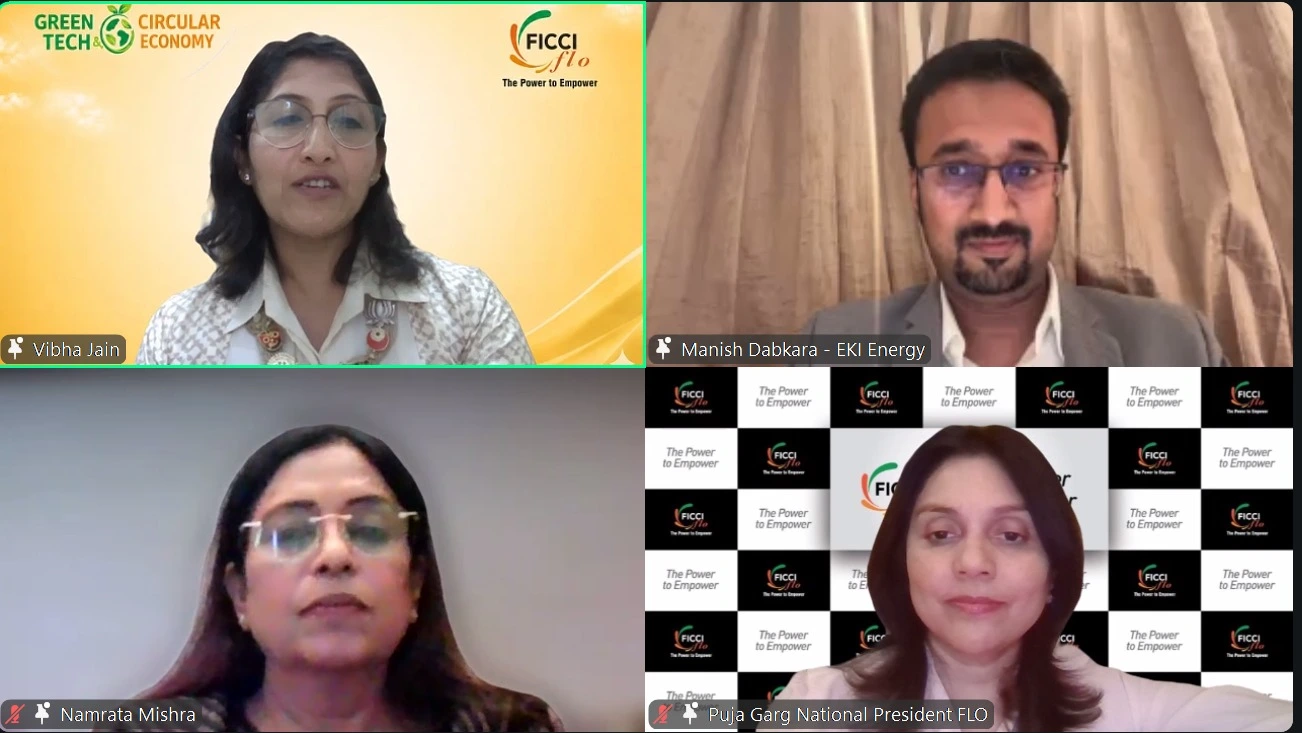
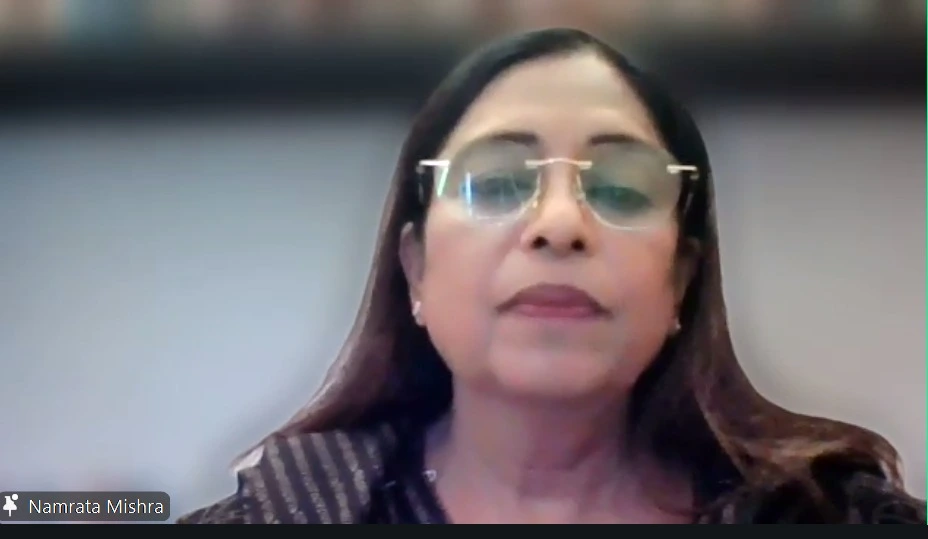
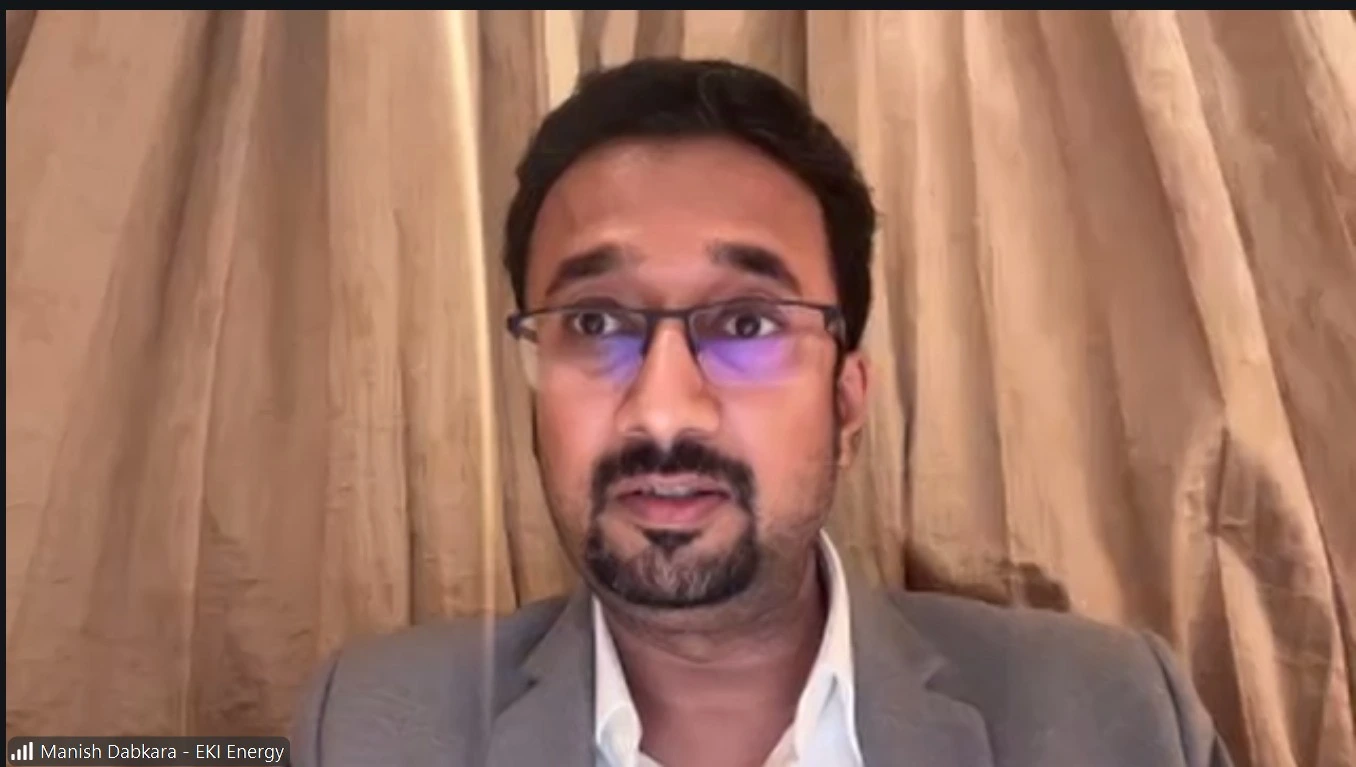
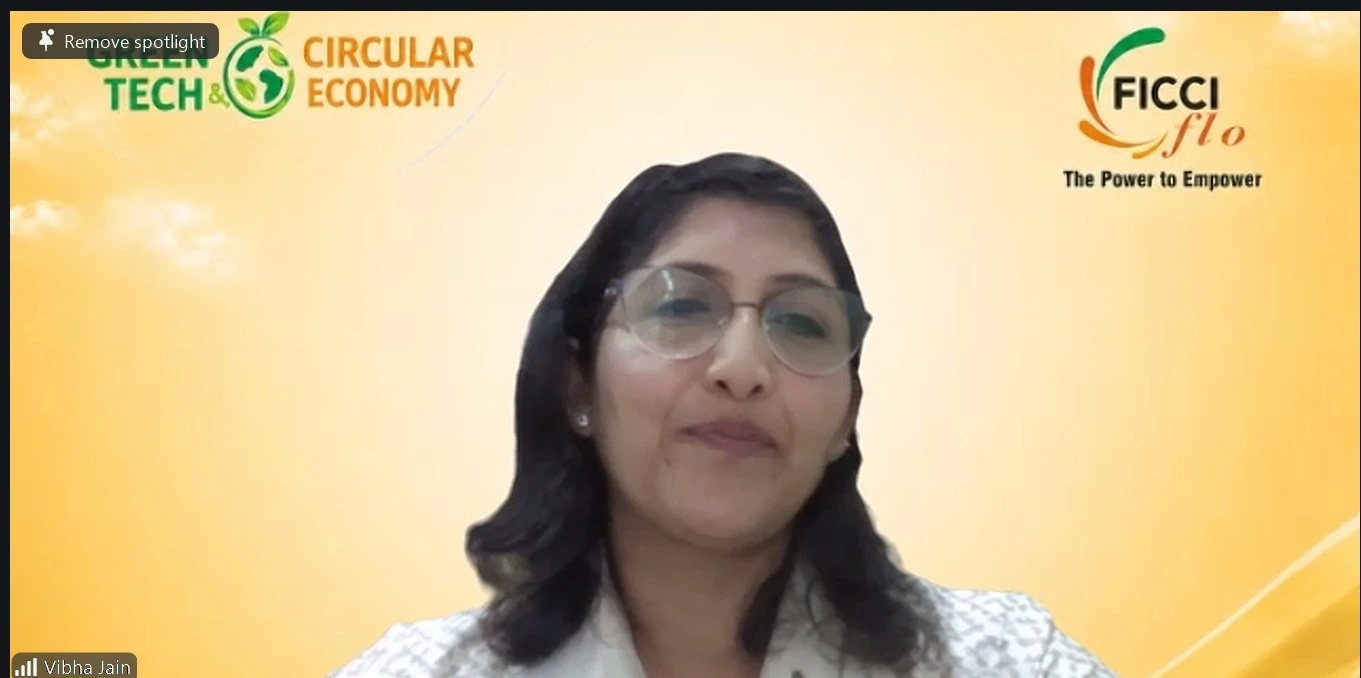
FICCI FLO, under the leadership of its 43rd National President, Ms. Puja Garg, organised an insightful webinar, “Carbon, A New Currency: What Every Woman Leader & Entrepreneur Should Know,” with Mr. Manish Dabkara, the Chairman and Managing Director of EKI Energy Services.
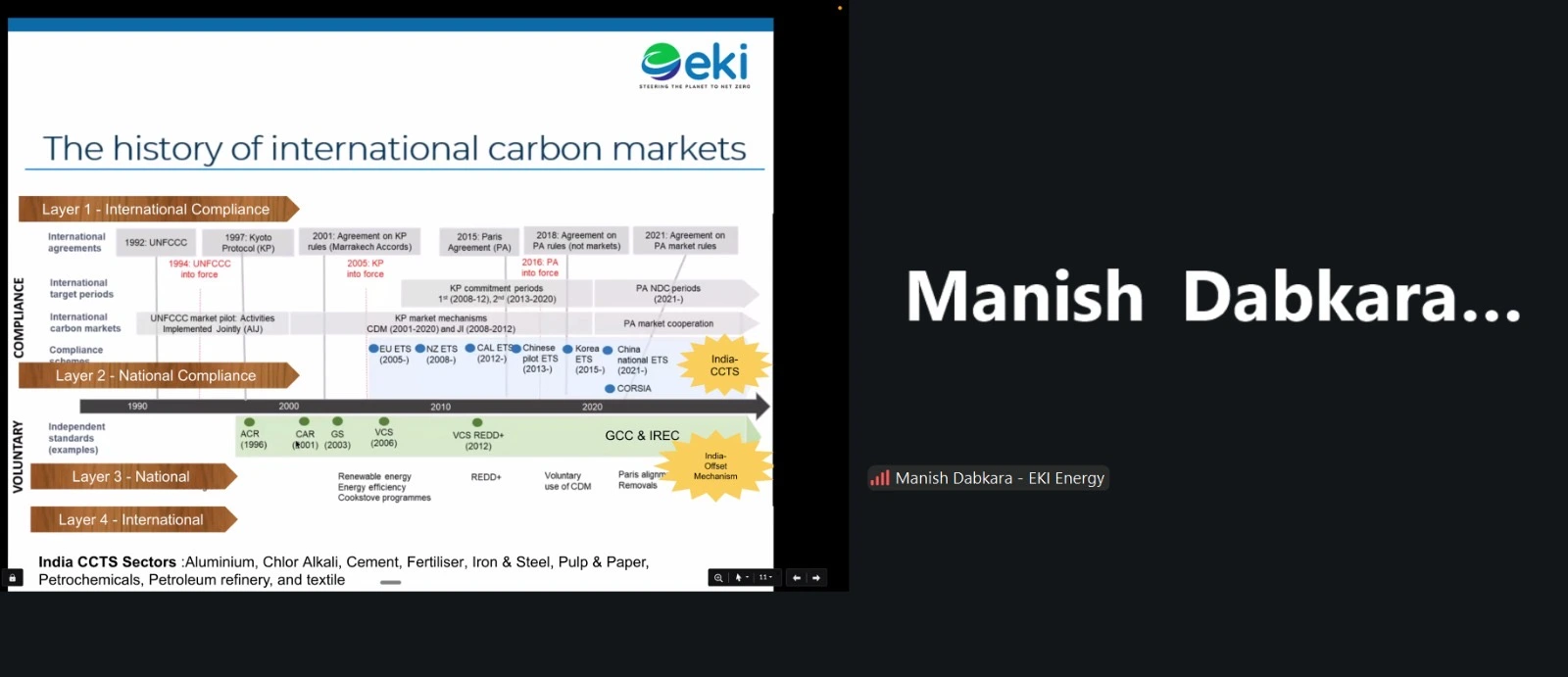
The session introduced FLO members to the growing importance of carbon markets, carbon credits and climate action for businesses. Mr. Dabkara explained the greenhouse effect, the impact of rising emissions, and the Paris Agreement’s goal of limiting global warming to well below 2°C while pursuing efforts to limit it to 1.5°C. He traced the evolution of carbon markets from the UNFCCC and Kyoto Protocol to the development of international and national compliance markets.
Participants were introduced to carbon credits, with one credit generally representing one tonne of CO₂-equivalent emissions reduced or removed. The discussion covered avoidance-based credits, generated through activities such as renewable energy and energy efficiency, and removal-based credits, including afforestation, biochar and carbon-removal technologies.
Mr. Dabkara explained the distinction between compliance and voluntary carbon markets, and discussed India’s emerging Carbon Credit Trading Scheme (CCTS). India’s framework combines a compliance mechanism with an offset mechanism, creating opportunities for industries and other organisations to participate in emissions reduction and carbon-credit activities.
The session also highlighted the growing relevance of carbon management to business through mechanisms such as the EU’s Carbon Border Adjustment Mechanism (CBAM) and CORSIA for aviation. Mr. Dabkara outlined the carbon-credit project cycle, including project development, registration, validation, verification, issuance, and trading. The distinction between carbon neutrality and net zero was also discussed, with net zero requiring deep emissions reductions and balancing residual emissions through carbon removals.
A key takeaway was the need for organisations to begin their carbon journey by measuring their carbon footprint, reducing emissions through energy efficiency and renewable energy, reporting sustainability performance, and addressing residual emissions through credible market mechanisms. Understanding carbon markets can help women entrepreneurs prepare for evolving regulations, global supply-chain requirements, and emerging opportunities in the low-carbon economy. Under its climate commitments, India has set a target of achieving net-zero emissions by 2070.
The webinar was organised under the FLO Green Tech and Circular Economy National Initiative, led by Ar. Vibha Jain Sethi (Lead), Ms. Namrata Mishra (Co-Lead), and Dr. Geetika Saluja (Team Member).