

FLO Pune undertook the Waste to Wealth initiative to promote responsible paper disposal, recycling, and the principles of a circular economy. The initiative encouraged members to contribute waste paper for recycling, demonstrating how everyday actions can generate meaningful environmental and social impact.
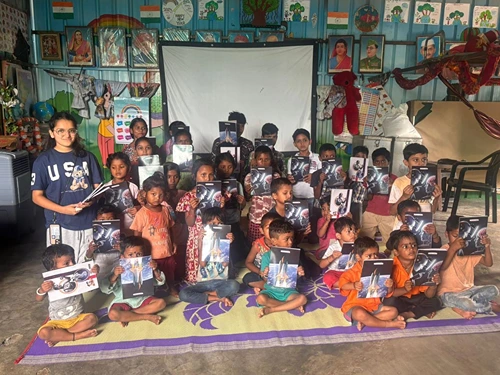
Through the collective efforts of FLO members and paper collection points across different areas of Pune, the chapter successfully collected approximately 2,400 kg (2.4 tonnes) of waste paper, equivalent to an estimated 1,200 notebooks. The initiative highlights the potential of recycling to transform discarded materials into valuable resources while supporting educational needs.
The sustained participation of FLO members played a key role in the initiative’s progress. Regular paper collection across multiple locations encouraged responsible waste management and strengthened awareness of sustainable practices. By channeling waste paper for recycling rather than disposal, the initiative reinforced the importance of resource conservation, responsible consumption, and reducing waste.
The Waste to Wealth initiative reflects FICCI FLO Pune Chapter’s commitment to sustainability through community participation and practical action. It demonstrates how collective contributions, when organised around a shared purpose, can create measurable outcomes and encourage environmentally conscious behaviour.
The initiative was led by Pritu and Kalpana, Vertical Heads, whose efforts supported the chapter’s focus on recycling, the circular economy and education FICCI FLO Pune Chapter continues to encourage its members to adopt sustainable practices and recognise the value of everyday resources. The initiative reinforces the message that small, consistent contributions can lead to significant collective impact, creating a more responsible approach to waste management while linking environmental action with educational value.
Approximately 2,400 kg of waste paper was collected, equivalent to an estimated 1,200 notebooks. The initiative promoted recycling, responsible resource use and circular economy practices through collective member participation.