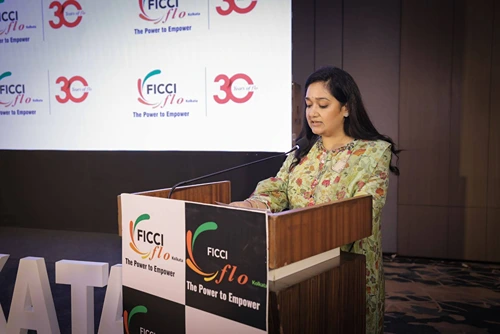
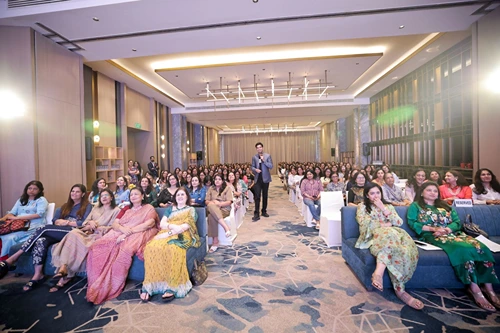
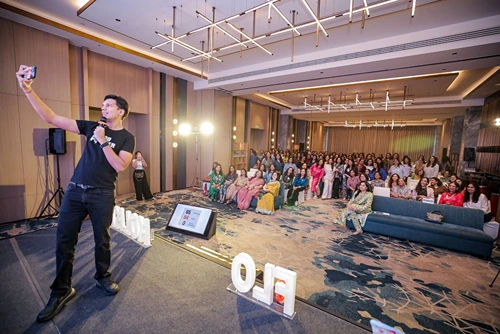
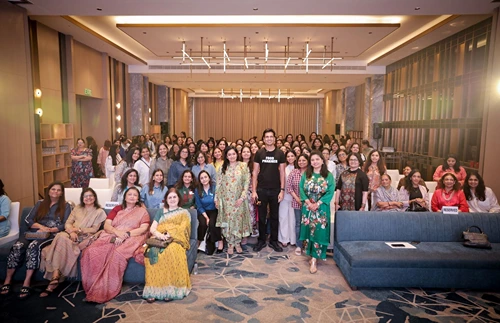
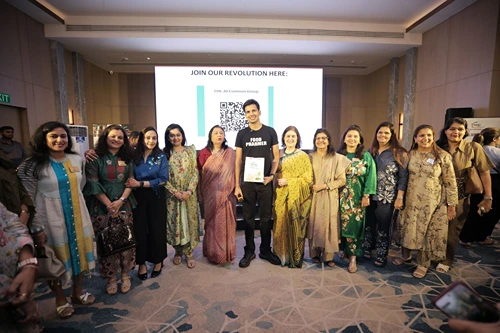
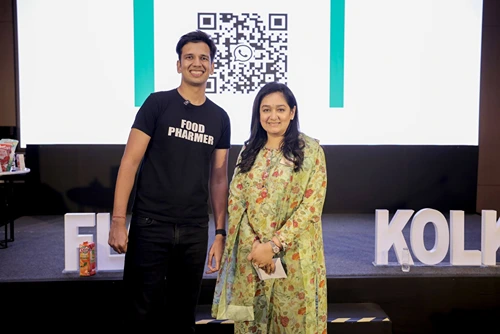
FLO Kolkata, under the leadership of Chairperson Mansi Agarwal, hosted Truth on Our Tables: Decoding What We Consume on 2 September 2026 at Hyatt Centric, Kolkata, bringing 250 FLO Kolkata members for an engaging conversation on food, nutrition, consumer awareness and preventive health. Hosted under its Health & Wellness Initiative, the session was designed around a simple but consequential question: What are we really consuming?
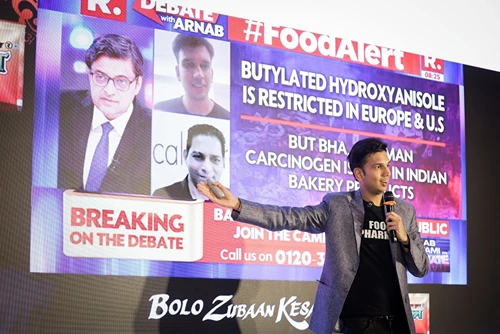
The informative session was led by Mr. Revant Himatsingka, popularly known as Food Pharmer, who is a health advocate, author and entrepreneur known for his work on food literacy, packaged-food awareness and consumer education. Led initiatives Label Padhega India and the Sugar Board movement, Mr. Himatsingka encouraged participants to look beyond the front of a food package and understand the information that is often overlooked.
Drawing from his work as Food Pharmer, Himatsingka explained how packaging, health claims, colours, celebrity endorsements and familiar associations can influence purchasing behaviour. He demonstrated why consumers should examine the ingredient list and nutritional information, rather than relying solely on the promises presented on the front of a packet. With packaged and processed foods increasingly forming part of modern household consumption, the session sought to help participants look beyond attractive packaging and health-oriented claims and understand what they are actually purchasing.
The discussion covered serving sizes, added sugar, ingredient order, protein claims and the importance of understanding what constitutes a meaningful nutritional choice. A particularly important aspect of the conversation was the distinction between awareness and fear. The session did not advocate completely eliminating packaged foods; instead, it encouraged participants to become more discerning consumers.
As discussed during the session, understanding the information on a label allows an individual to make a conscious choice according to their own needs and circumstances. The conversation also explored the broader idea of health literacy as preventive healthcare. Himatsingka shared his vision of making health education a more integral part of everyday learning, emphasising that understanding food, nutrition and common health conditions can help people make informed decisions before health concerns become more serious.
Participants actively responded to examples, raised questions and sought practical guidance on commonly consumed products, including beverages, breads, yoghurts, peanut butter, noodles and protein products. The open exchange made the discussion particularly relatable, translating a complex subject into everyday purchasing decisions.
Key Takeaways
- Recognised women as primary decision-makers in household food choices, equipping them to make more informed decisions about what enters their kitchens and what their families consume.
- Shifted the focus from attractive packaging to informed evaluation, encouraging participants to look beyond front-of-pack claims and examine what the product actually contains.
- Demystified ingredient lists, highlighting that ingredients are listed by weight and that the first few ingredients can reveal the true composition of a product.
- Created greater awareness of hidden and cumulative sugar intake, particularly in everyday foods that may be consumed repeatedly rather than occasionally.
- Encouraged participants to question health and nutrition claims, understanding how marketing is often designed around what consumers want to hear rather than the complete nutritional picture.
- Strengthened understanding of serving sizes and nutrition labels, helping women interpret quantities in the context of actual consumption rather than relying on the numbers presented on the pack.
- Reframed protein as a broader health requirement, moving the conversation beyond the common perception that protein is relevant only to gym-goers or bodybuilders.
- Promoted a more conscious approach to packaged food, encouraging participants to distinguish between occasional consumption and the repeated consumption of everyday products.
- Extended health literacy from the individual to the family, enabling women to pass informed food knowledge to children and influence healthier everyday habits at home.
- Positioned informed consumption as an act of preventive health, reinforcing that better health decisions can begin with a simple habit: pause, read, question, and choose.
Impact & Outcome
Around 250 women participated in this meaningful discussion around packaged food, nutrition, consumer awareness, and preventive health. The session encouraged greater health literacy and more conscious decision-making around everyday food choices. For FLO Kolkata, the programme reinforced the Power Up! Wellness vision by placing knowledge at the centre of personal and family health.
The session concluded with participants being encouraged to carry this awareness beyond the room—to their homes, kitchens and everyday grocery choices—making informed consumption a practical part of wellness.