
FLO Bhubaneswar organised a programme to commemorate National Handloom Day, celebrating India’s handloom heritage and recognising the contribution of weavers, artisans and entrepreneurs. The programme aimed to promote awareness, member engagement, and opportunities for buying and selling handloom products.
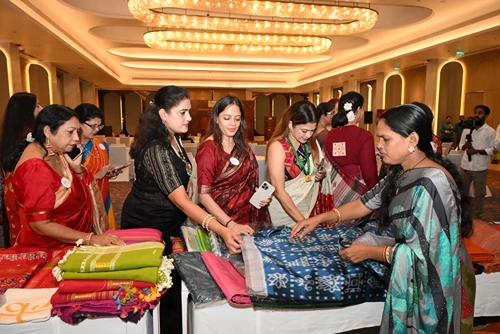
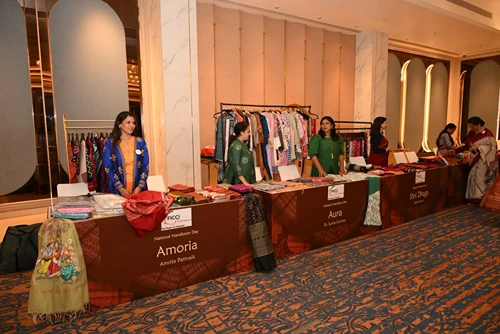
The programme commenced with FLO members setting up stalls displaying handloom sarees, fabrics and materials. The stalls enabled members to showcase collections, interact with visitors and explore business opportunities. A video shoot and photography session highlighted the displays and enhanced visibility.
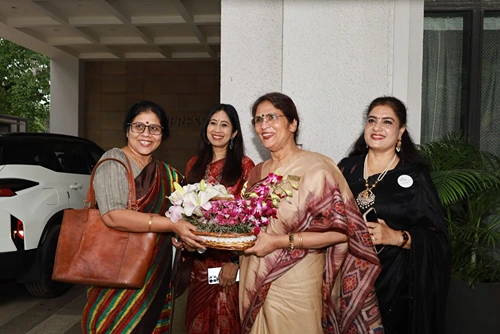
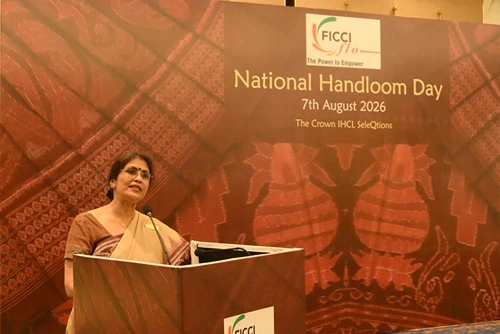
This was followed by the welcome and reception of the guests by Aparajita Acharya, Executive Secretary. Biyot Projna Tripathy, Chairperson, FICCI FLO Bhubaneswar Chapter, delivered the welcome address and shared her connection with handloom. Recalling her childhood, she spoke about how her love for handloom grew with her. She also shared how wearing her mother-in-law’s saree on the occasion made her feel proud. She traced the history of handloom in India and its cultural significance.
She highlighted Odisha’s weaving clusters, including Sambalpur, Bargarh, Sonepur, Nuapatna and Kotpad. Also, she emphasised traditional motifs representing Odisha’s culture, purity and prosperity, while acknowledging the dedication and hard work of weavers in creating masterpieces. She reiterated FLO’s commitment to increasing the visibility of handloom entrepreneurs, fostering collaborations and creating platforms for growth.
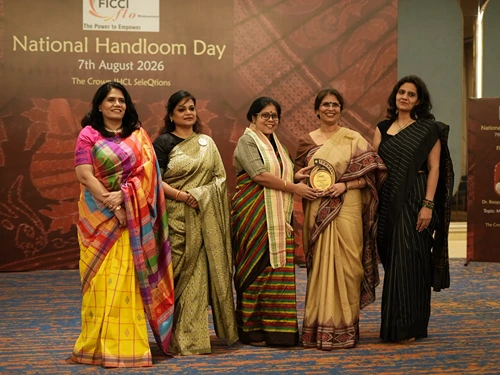
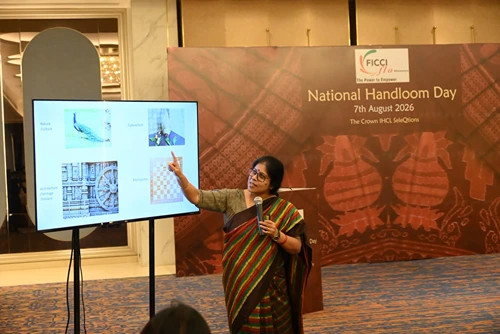
Guest of Honour, Dr. Roopa Roshan Sahoo, IAS, was felicitated with a memento and uttariyas by Ms Dharitri Patnaik and Biyot Projna Tripathy. Dr. Sahoo shared insights from her PhD research on Ikat and delivered a presentation on Odisha’s handloom traditions and varieties. She focused on her study area—the distinctive motifs of Odisha Ikat—and explained their cultural significance and craftsmanship.
The FLO Bhubaneswar Founding Chair, Ms Dharitri Patnaik, addressed the gathering and spoke about FLO, its role, objectives and responsibilities. Panchami Manoo Ukil, Head of the Handloom and Handicrafts Initiative, introduced the guest and set the context for the session and she had an important role in curating this session with beautiful thought, passion, and elegance.
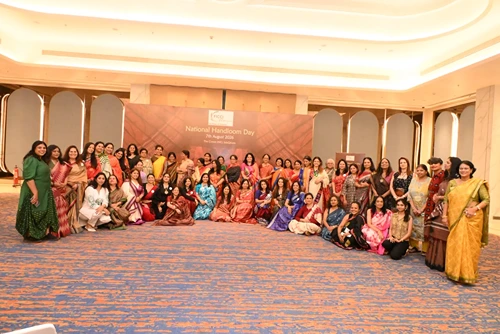
The programme concluded with the Vote of Thanks proposed by Senior Vice Chairperson Aparna Mishra. A group photograph was taken, followed by high tea, providing members an opportunity to network. Overall, the celebration combined cultural appreciation, knowledge-sharing, member engagement, business visibility and commitment to promoting Odisha’s handloom heritage.