
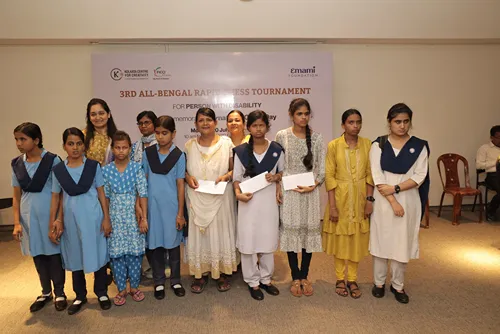
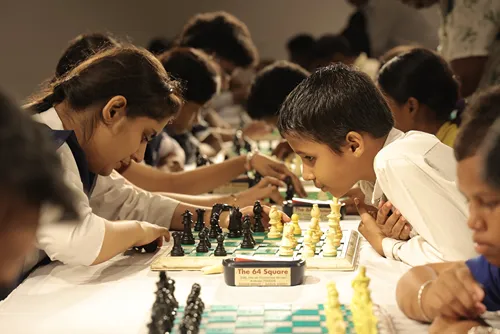
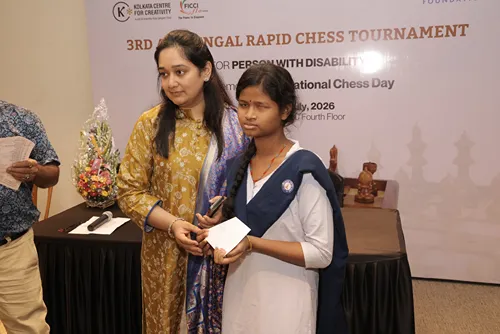
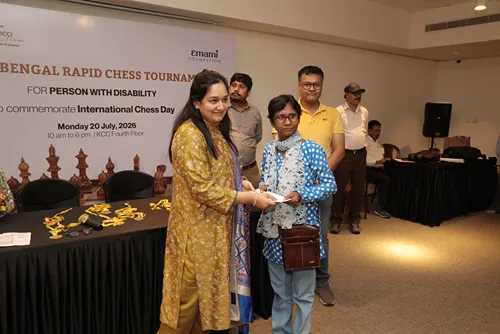
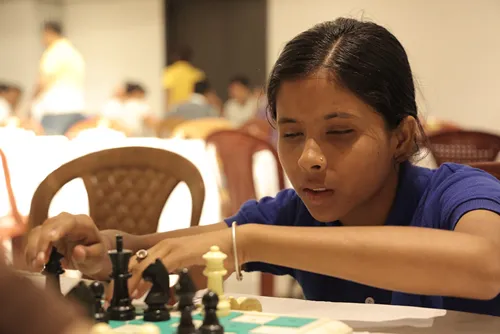
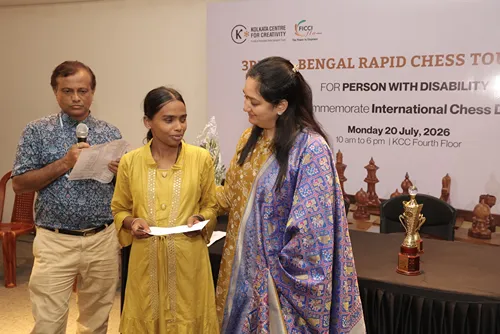
FICCI Ladies Organisation (FLO), Kolkata Chapter, in collaboration with the Kolkata Centre for Creativity (KCC), presented the 3rd All Bengal Rapid Chess Tournament for Persons with Disabilities on 20th July 2026, commemorating International Chess Day. The initiative brought together 130 participants from the community, comprising visually challenged and hearing-impaired children and participants, creating a vibrant and inclusive sporting environment that celebrated talent, determination, and intellectual excellence.
The tournament was conceived as a significant intervention under FLO Kolkata’s Health & Wellness – Mental Well-being and Sports initiatives, demonstrating how sport can serve as a powerful vehicle for both psychological empowerment and social inclusion. Chess, by its very nature, demands intense concentration, strategic foresight, patience, memory, and emotional discipline. For participants with disabilities, access to such competitive spaces has an added significance: it provides an opportunity to experience independence, build confidence, cultivate resilience, and engage with peers on a platform where their abilities take centre stage.
The tournament incorporated accessible mechanisms to enable meaningful participation by visually challenged players. Specially adapted chessboards and tactile chess pieces, distinguished through unique shapes, carvings, and tactile markers, enabled participants to identify and navigate the pieces independently. This thoughtful approach to accessibility ensured that the sporting experience remained both equitable and competitive.
Participants were drawn from diverse institutions and communities, including Asansol Blind School, Behala Blind School, Lighthouse for the Blind, Nabadwip Blind School, and Jadavpur University, among others. The participation of children and young players alongside experienced competitors created an intergenerational ecosystem of learning, aspiration, mentorship, and encouragement.
The presence of Niloy Chakraborty, a National-Level Chess Coach and coach associated with Bengal’s chess teams for deaf and blind players, added significant sporting expertise to the initiative. With more than three decades of experience in coaching visually and hearing-impaired players, including work with the Indian team and international exposure, his involvement underscored the tournament’s commitment to nurturing genuine sporting potential and creating pathways for competitive excellence.
The event ultimately transcended the boundaries of a conventional chess tournament. It created a space where sport became a language of equality, chess became an instrument of mental well-being, and participation became a pathway to visibility and dignity. By bringing persons with disabilities into a mainstream cultural and sporting space, FLO Kolkata and KCC reinforced the imperative of building an ecosystem where inclusion is not symbolic, but actively experienced.