
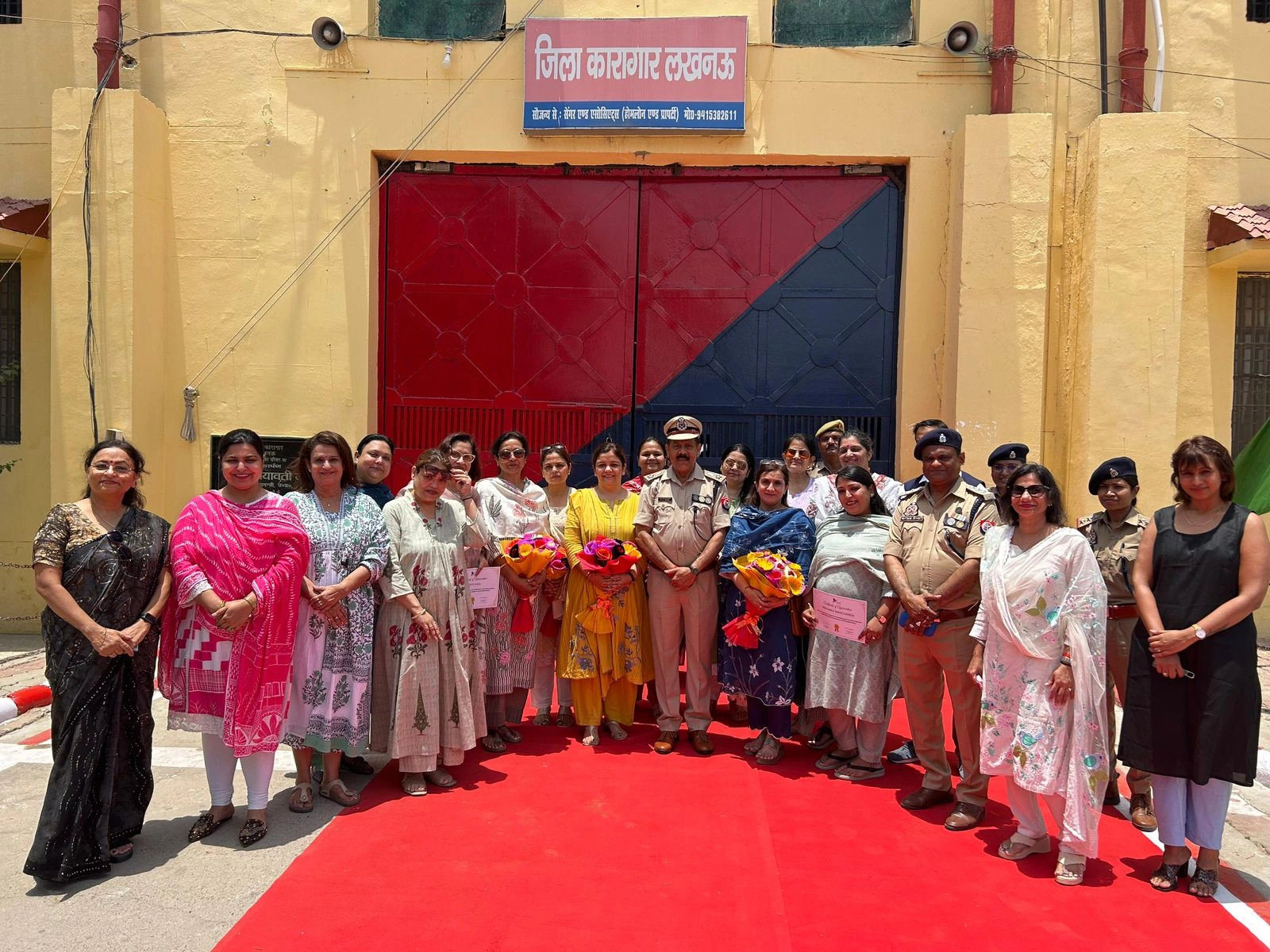
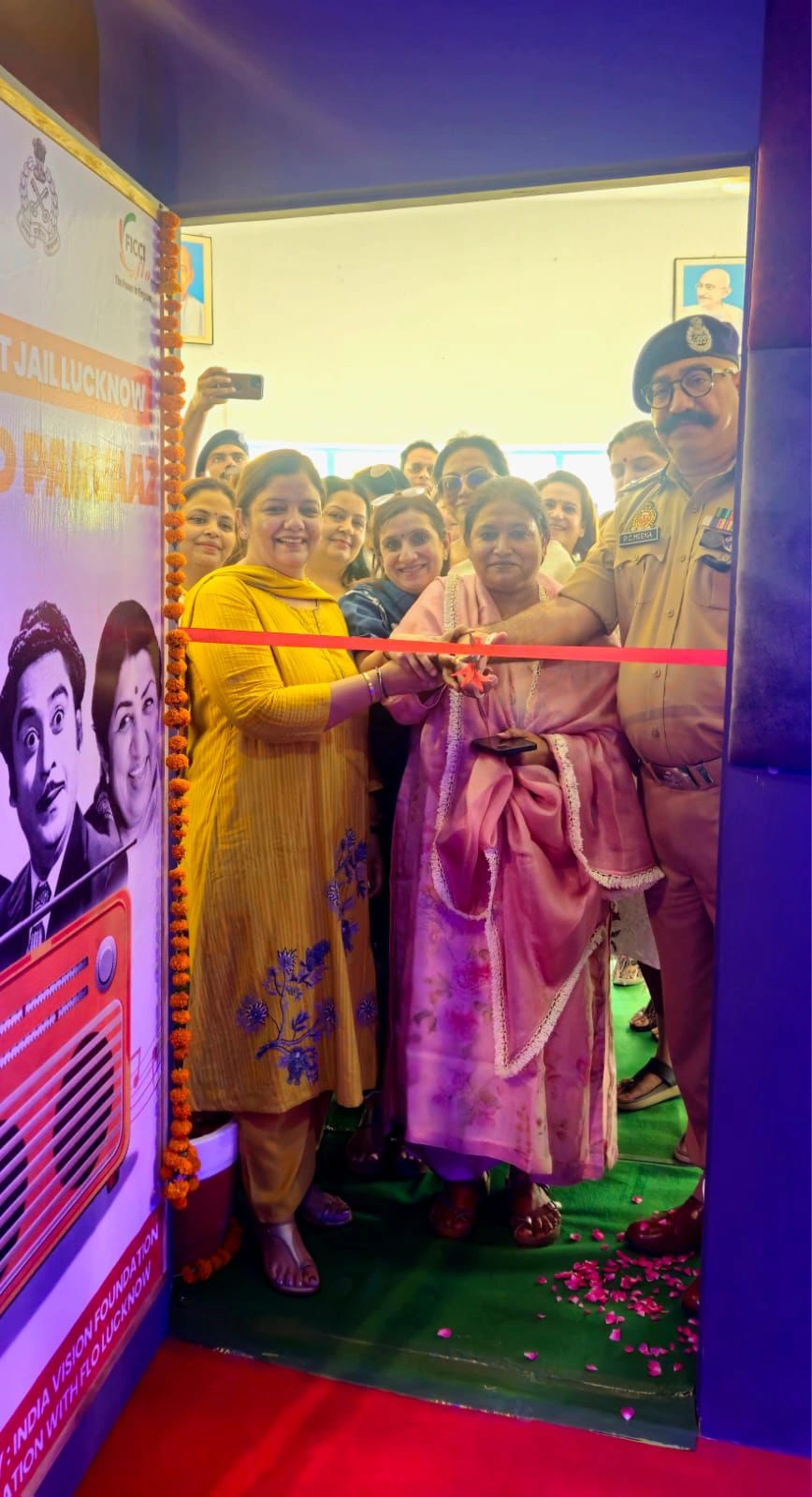
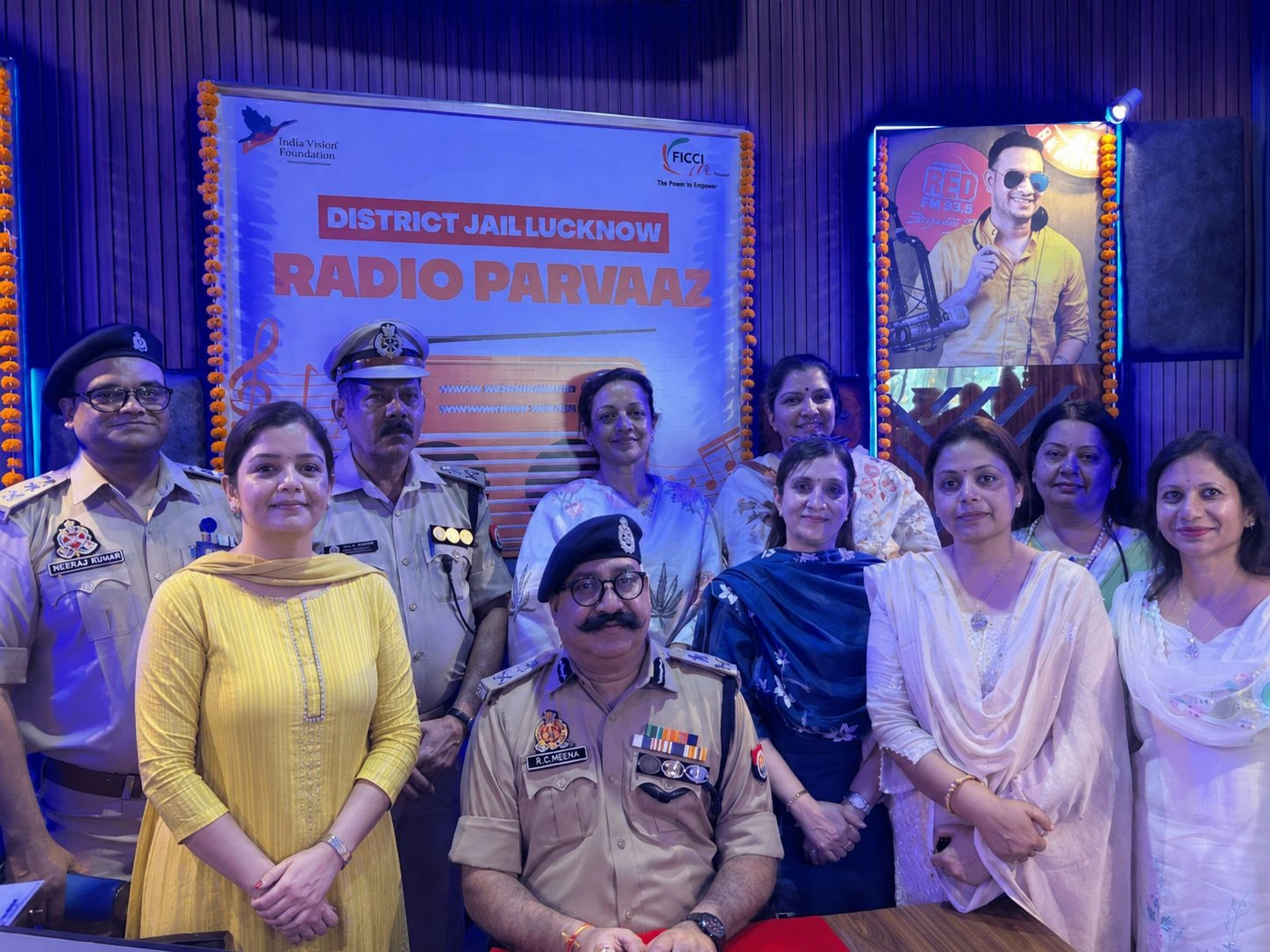
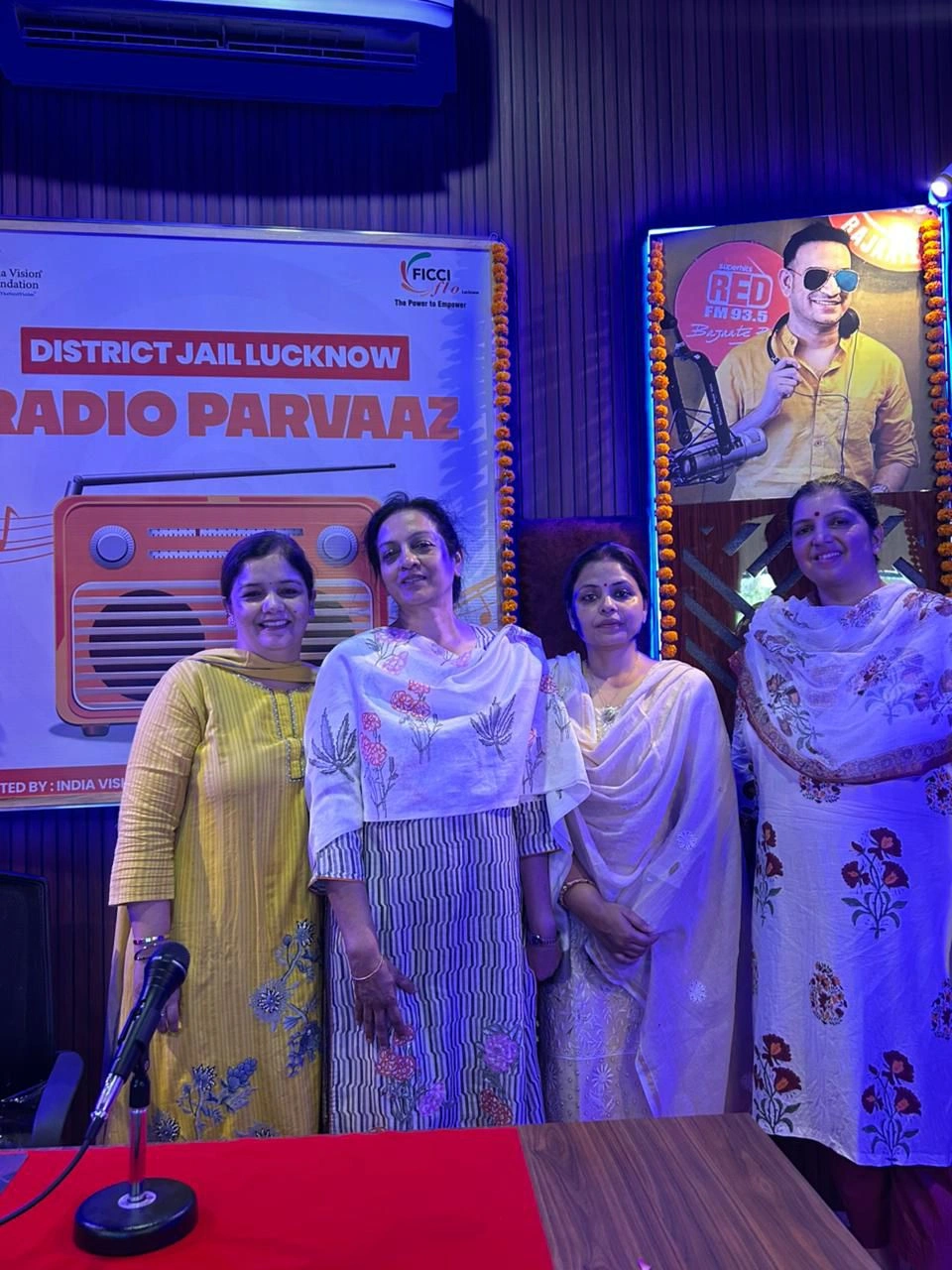
On 27th May 2026, the District Jail Lucknow became the site of something quietly historic — the launch of Radio Parvaaz, a first-of-its-kind radio initiative that will give 3,150 inmates a platform they have never had before: their own voice, on air, heard within the walls that currently define their world.
FICCI FLO Lucknow was present at the ceremony as a collaborating partner — alongside India Vision Foundation, the organisation whose sustained work in prison reform and inmate rehabilitation gave birth to this idea, and the UP Prisons Department, whose institutional support made it possible to implement. The three together represent an unusual coalition: a women’s business organisation, an NGO working at the edge of the justice system, and a government department. That they found common ground in Radio Parvaaz says something about what the initiative stands for.
The radio station is not a passive medium. Inmates are being trained to run it — to write, to broadcast, to produce. That training is the point. Every skill learned in the course of running a radio station is a skill that travels beyond the jail. Communication, confidence, the ability to organise thought and deliver it clearly — these are not radio skills. They are life skills. And for people who will eventually re-enter society, they are the kind of preparation that reduces the likelihood of return.
Beyond the practical, there is something psychological at the heart of Radio Parvaaz that is harder to quantify but impossible to dismiss. Being heard — genuinely heard — is one of the most fundamental human needs. Inmates, by the nature of their situation, are among the least heard people in any society. A radio station that carries their voices changes that, even within the walls.
It says: what you think, what you feel, what you want to express — it matters. The objective of FLO’s involvement was clear: to extend the chapter’s impact beyond its membership into the parts of society that organised support rarely reaches. Because empowerment that stops at a comfortable boundary is not really empowerment — it is community management. This was something else entirely.