
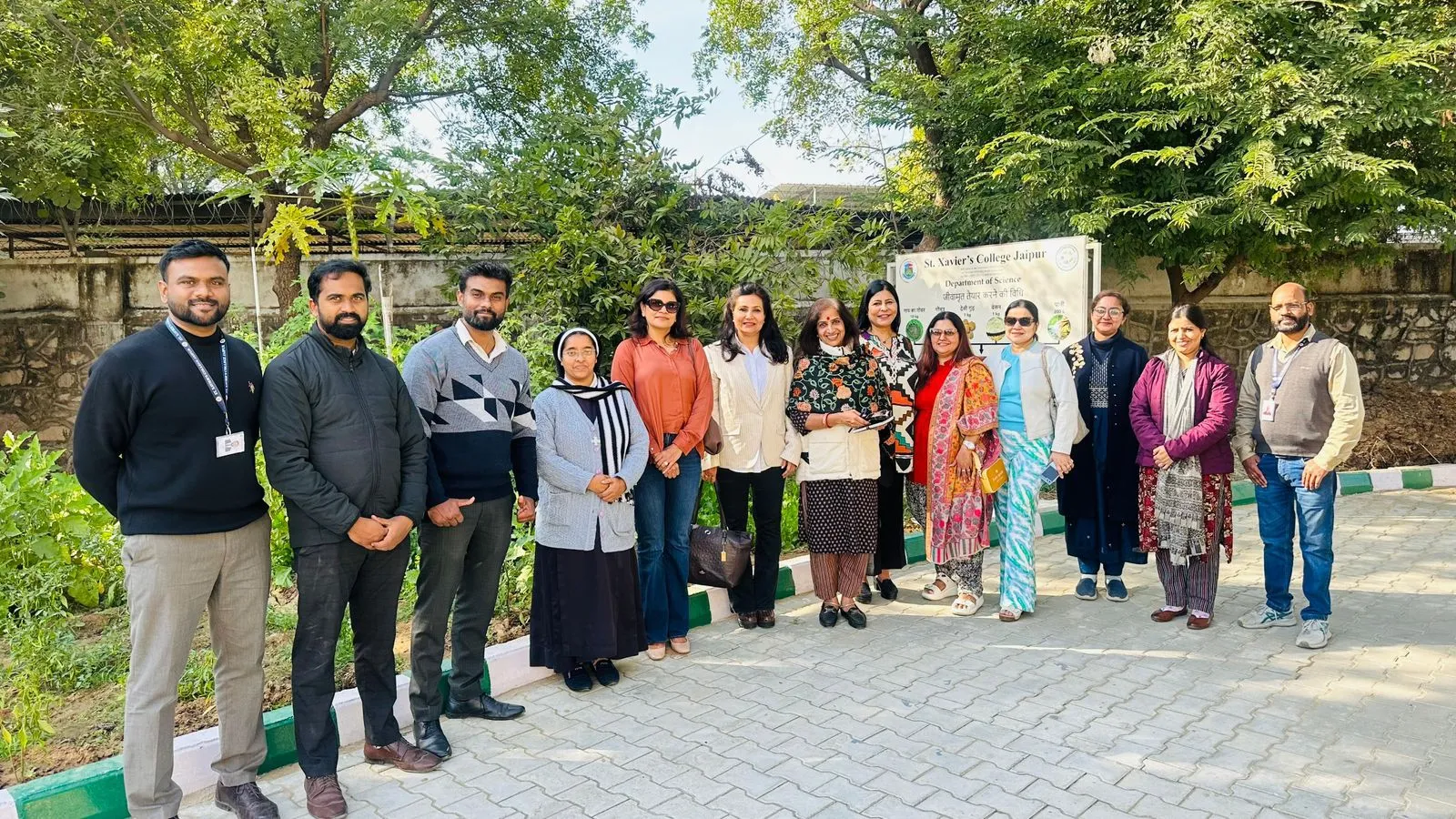
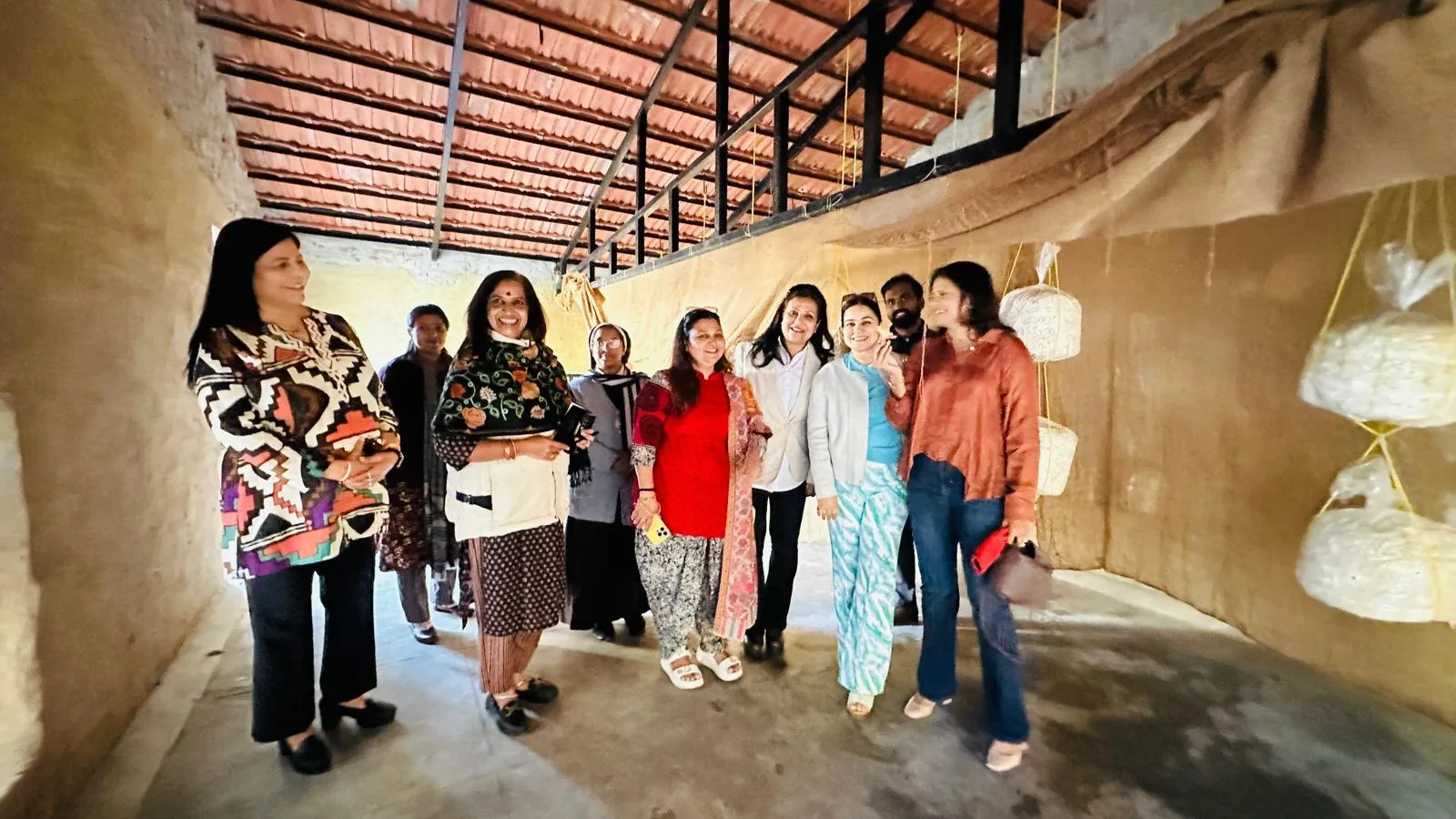
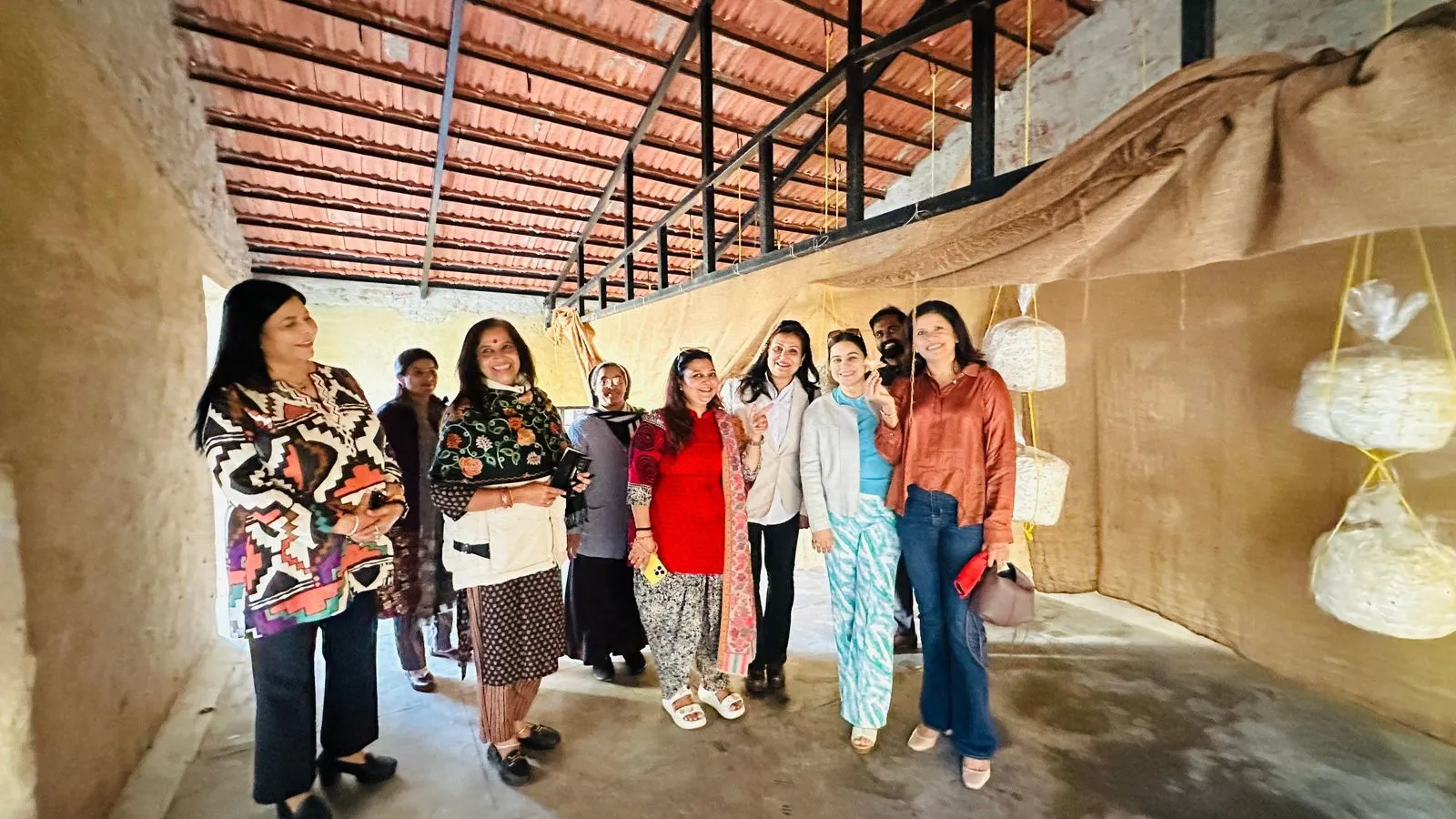
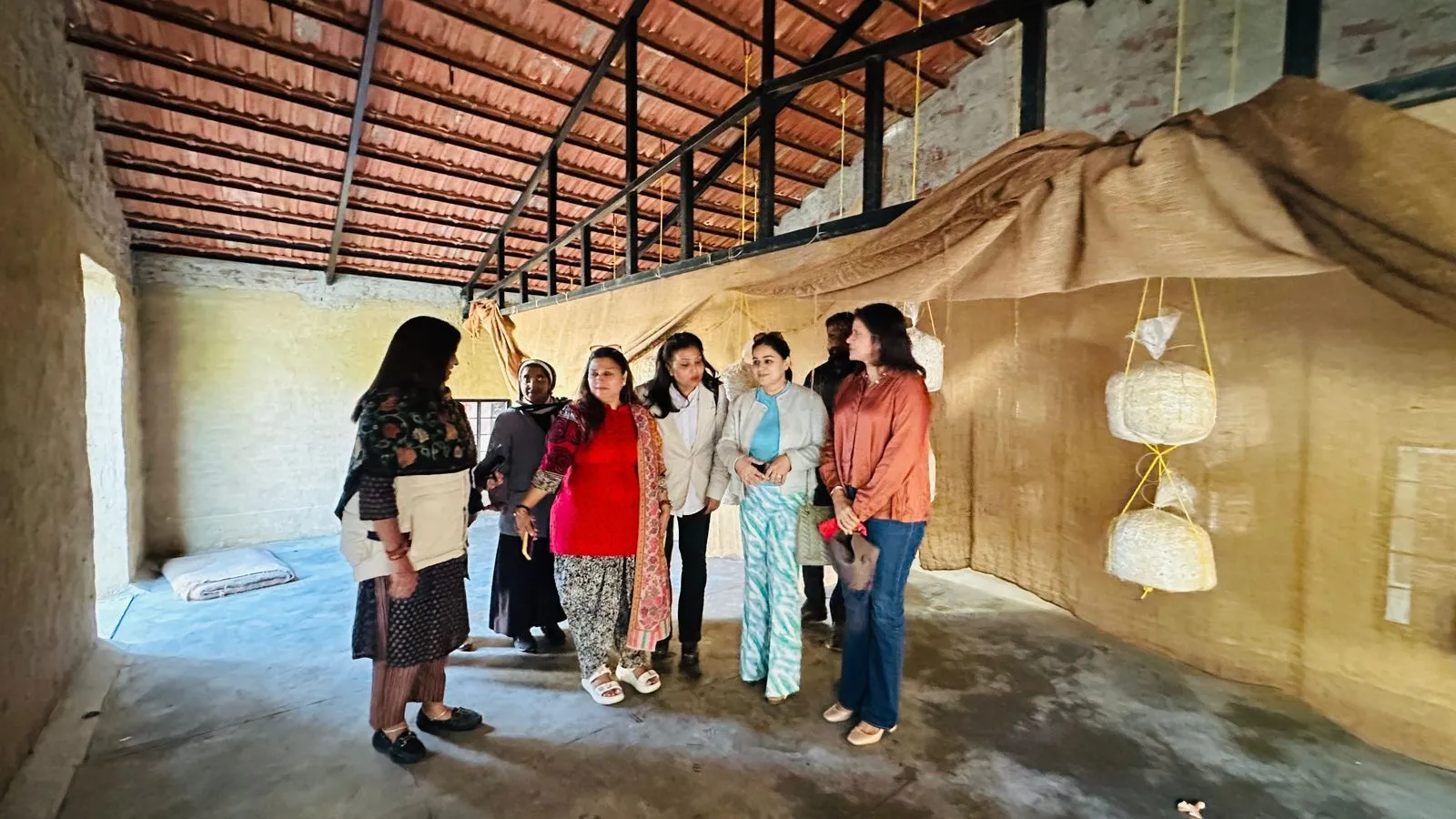
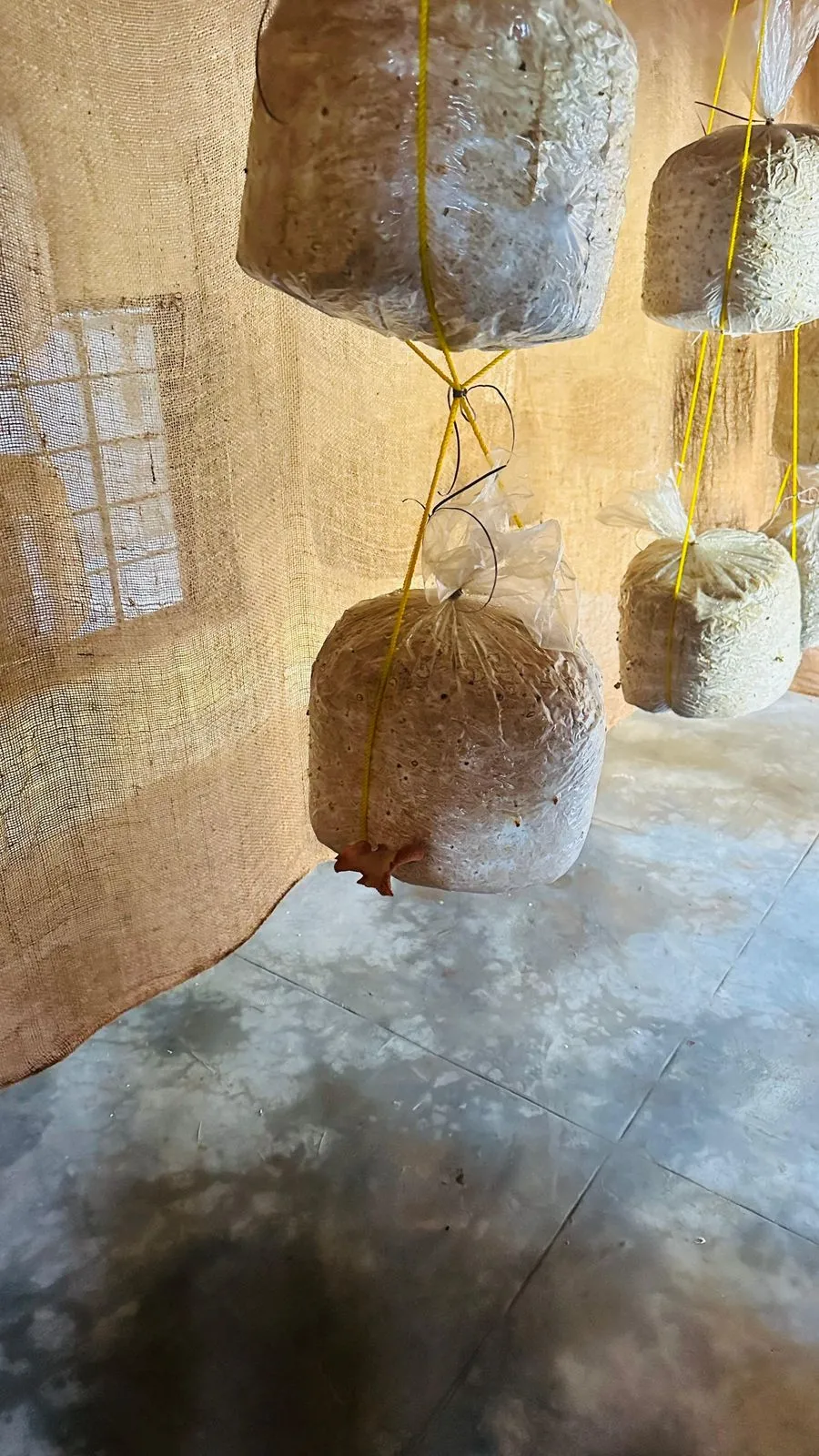
FLO Jaipur, under the leadership of Chairperson Dr. Rimmi Shekhawat, undertook a structured learning visit to St. Xavier’s College to understand the complete mushroom cultivation cycle as a model for sustainable and income-generating livelihoods. The initiative focused on demonstrating how science-led agricultural practices can be translated into practical, low-investment livelihood opportunities.
Initiative Background
The programme was designed to highlight the role of STEM-based learning in agriculture, where scientific processes, technology-driven methods, and data-informed practices are applied to traditional farming activities. Mushroom cultivation was presented as an effective example of integrating education, sustainability, and entrepreneurship, particularly relevant for rural and semi-urban communities.
Implementation
- Detailed explanation of the mushroom cultivation lifecycle, from preparation to harvest
- Demonstration of scientific methods and controlled growth environments
- Interaction with faculty and practitioners to understand scalability and sustainability
- Observation of how low-cost inputs can lead to viable income models
Outcomes & Impact
- Increased awareness of low-investment, sustainable livelihood models
- Encouraged agriculture-based micro-entrepreneurship through STEM
approaches
- Strengthened understanding of science and technology in skill development
- Reinforced the importance of application-oriented learning for economic growth
Conclusion
- STEM-based agricultural practices can generate sustainable livelihood opportunities
- Mushroom cultivation offers a scalable, low-investment income model
- Practical exposure enhances understanding of entrepreneurship and self-reliance
- Integrating education with application creates long-term community impact