
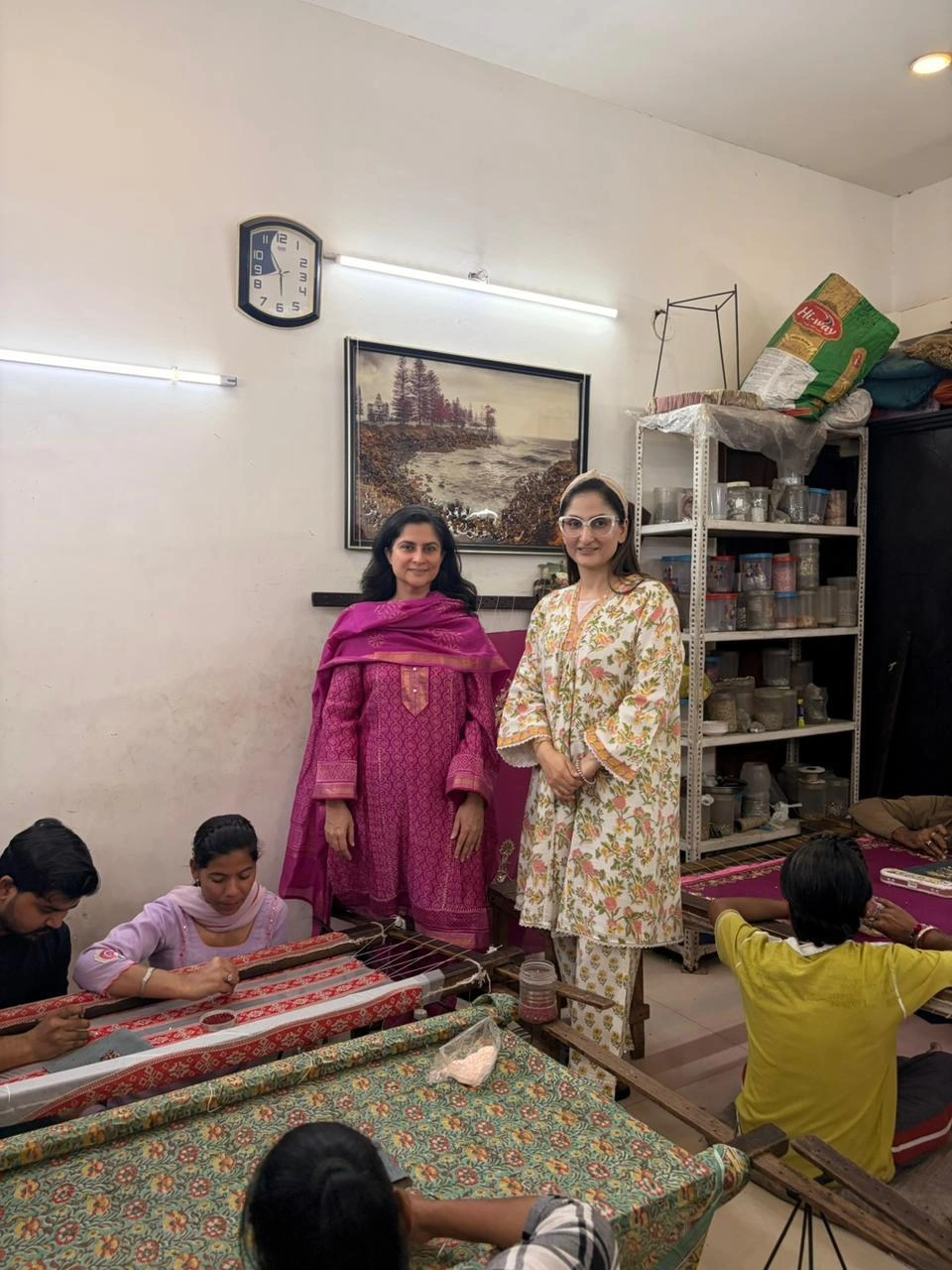
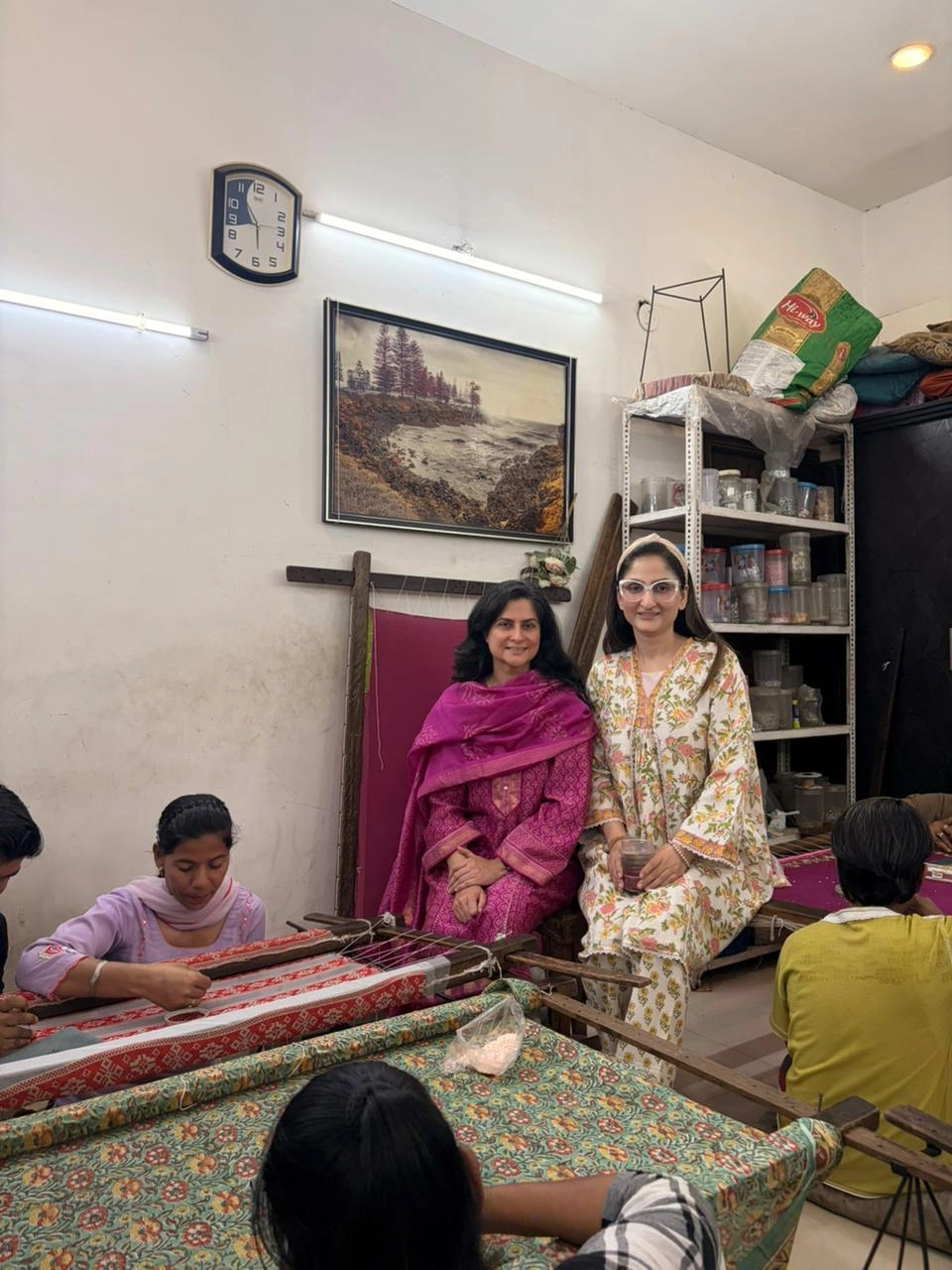
FLO Amritsar, under the leadership of Chairperson Tannya Khanna and Vice Chairperson Harsimran Sarai, hosted “Cross-Border Textile Revival and Empowerment – Dabu, Bagru & Phulkari Integration.” Designed as a two-year project, the initiative aims to revive and promote India’s rich textile heritage by creating a meaningful collaboration between the traditional artisans of Bagru and skilled women artisans from Amritsar.
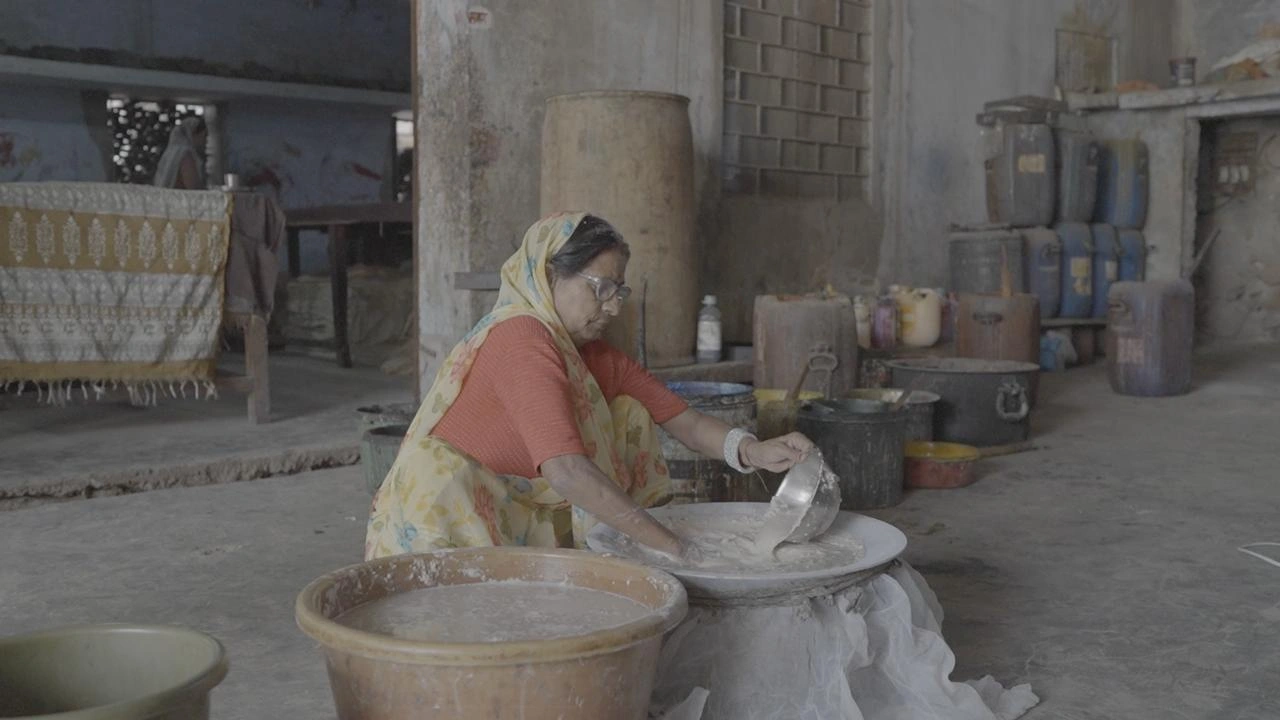
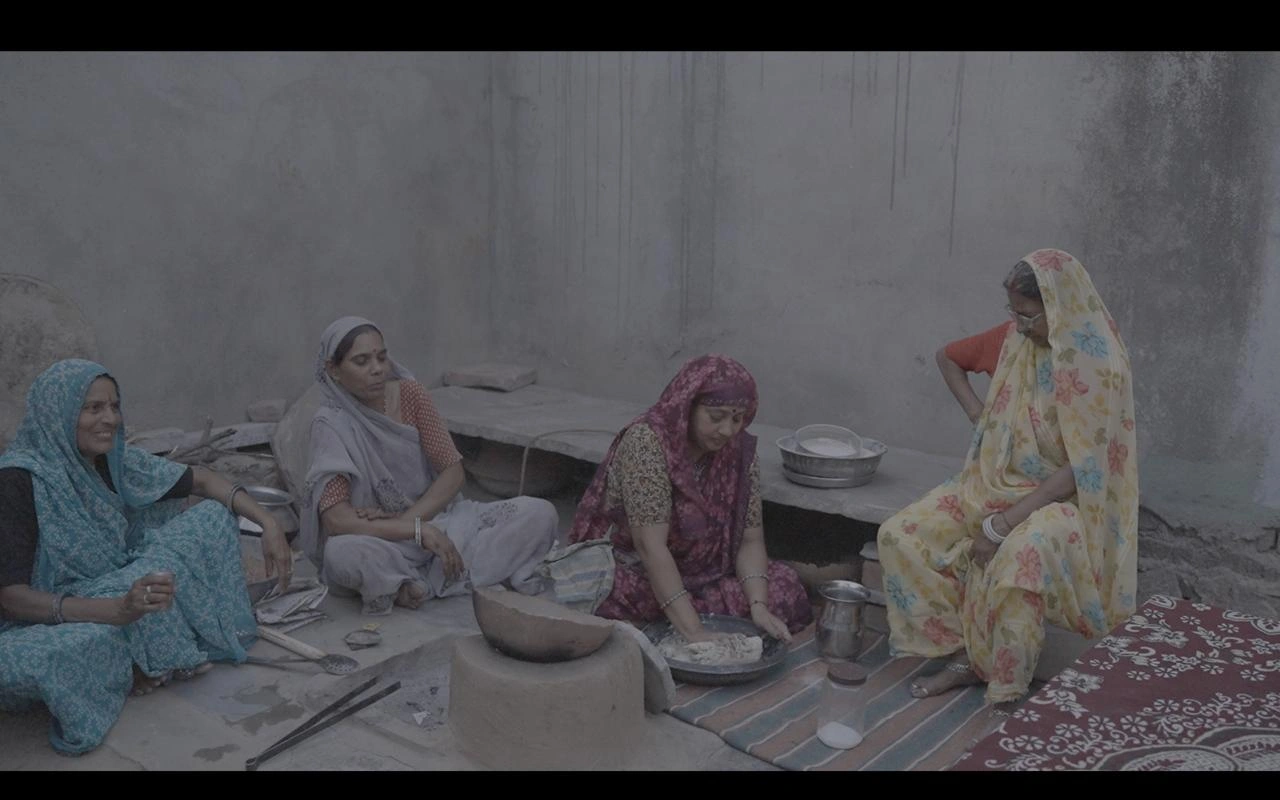
The project focuses on preserving the 500-year-old Dabu and Bagru hand-block printing techniques practiced by tribal artisan communities in Rajasthan while integrating them with the vibrant Phulkari embroidery tradition of Punjab. Through this unique cross-state collaboration, FLO Amritsar is working towards creating sustainable livelihood opportunities, preserving traditional craftsmanship, and empowering women artisans through skill development and market access.
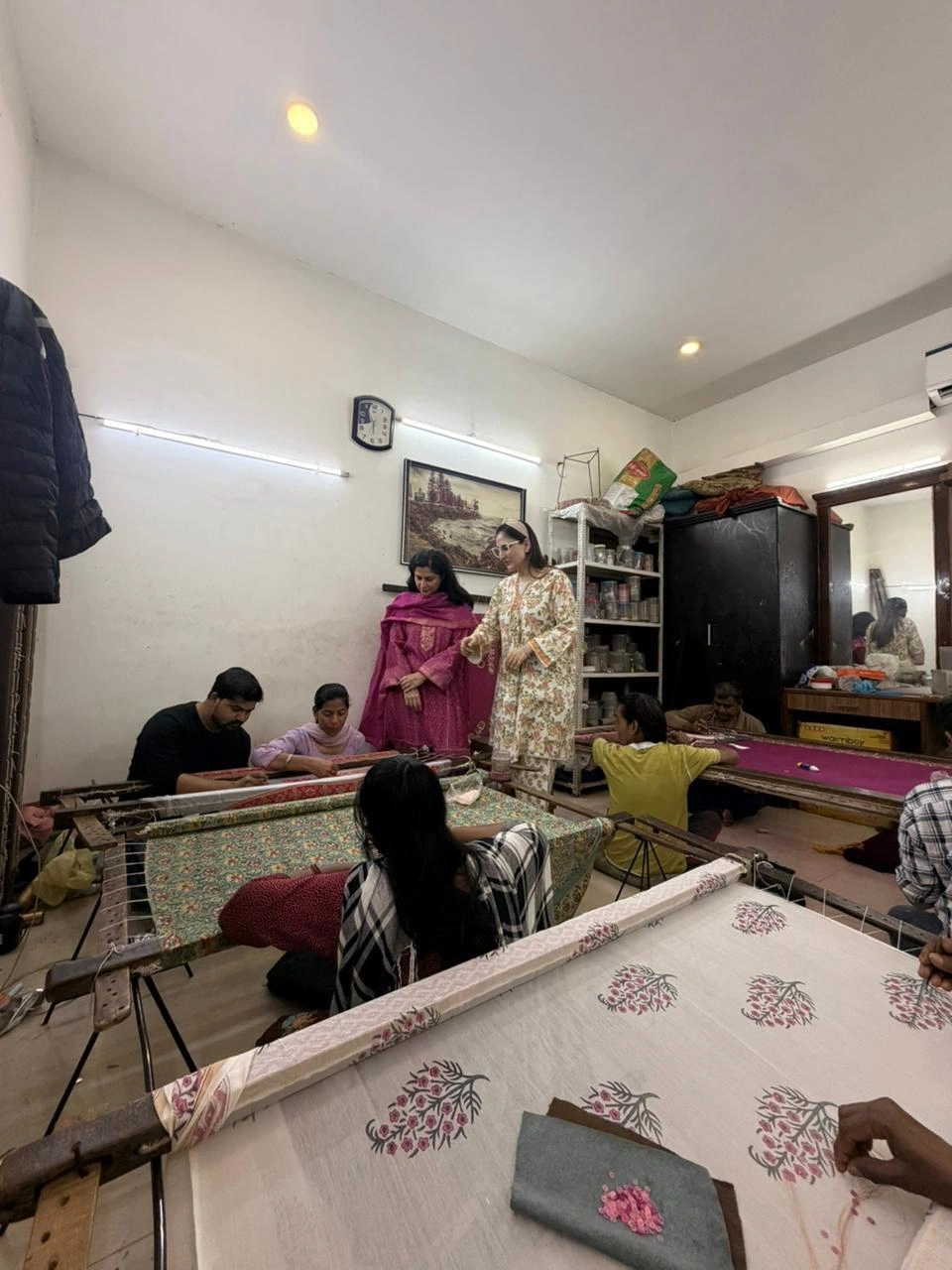
As part of the process, fabric is sent in bulk from Amritsar to the artisan communities in Bagru, where skilled tribal artisans hand-print the textiles using traditional Dabu and Bagru techniques. Once completed, the fabrics are sent back to Amritsar, where women artisans add intricate Phulkari embroidery work, creating a beautiful fusion of Rajasthan’s block printing heritage and Punjab’s embroidery artistry. This collaborative production model not only strengthens artisan networks but also encourages cultural exchange and knowledge sharing between regions.
Training and development sessions are being conducted at the FLO Navras Skill Centre, enabling women artisans to learn innovative methods of combining traditional crafts into contemporary and market-ready textile products.
Key Takeaways
- Cross-state collaboration between Rajasthan (Bagru) and Punjab (Amritsar).
- Engagement with tribal artisans practicing 500-year-old Dabu and Bagru printing.
- Bridging heritage crafts with modern fashion trends in Northern India.
- Integration of Dabu and Bagru prints with Phulkari work.
- Skill training at FLO Navras Skill Centre for amalgamation techniques.
- Development of market-ready handcrafted textile products.
Impact & Outcome
The initiative has engaged over 8 tribal artisans and 10 tribal women from Bagru, Rajasthan, along with 8 women artisans from Amritsar, Punjab. Also, the initiative achieved an initial footprint of 30 participants in Rajasthan and 20 in Punjab to begin with. It has also witnessed active participation from entrepreneurs and artisan families, building a larger ecosystem that supports handmade, sustainable, and ethical textile practices.
By connecting heritage crafts with modern fashion and exhibition platforms, FLO Amritsar aims to generate long-term economic opportunities and direct market exposure for artisans. The initiative further strengthens the MSME and handicraft sector while promoting women-led entrepreneurship, cultural preservation, and sustainable growth through collaborative craftsmanship.