
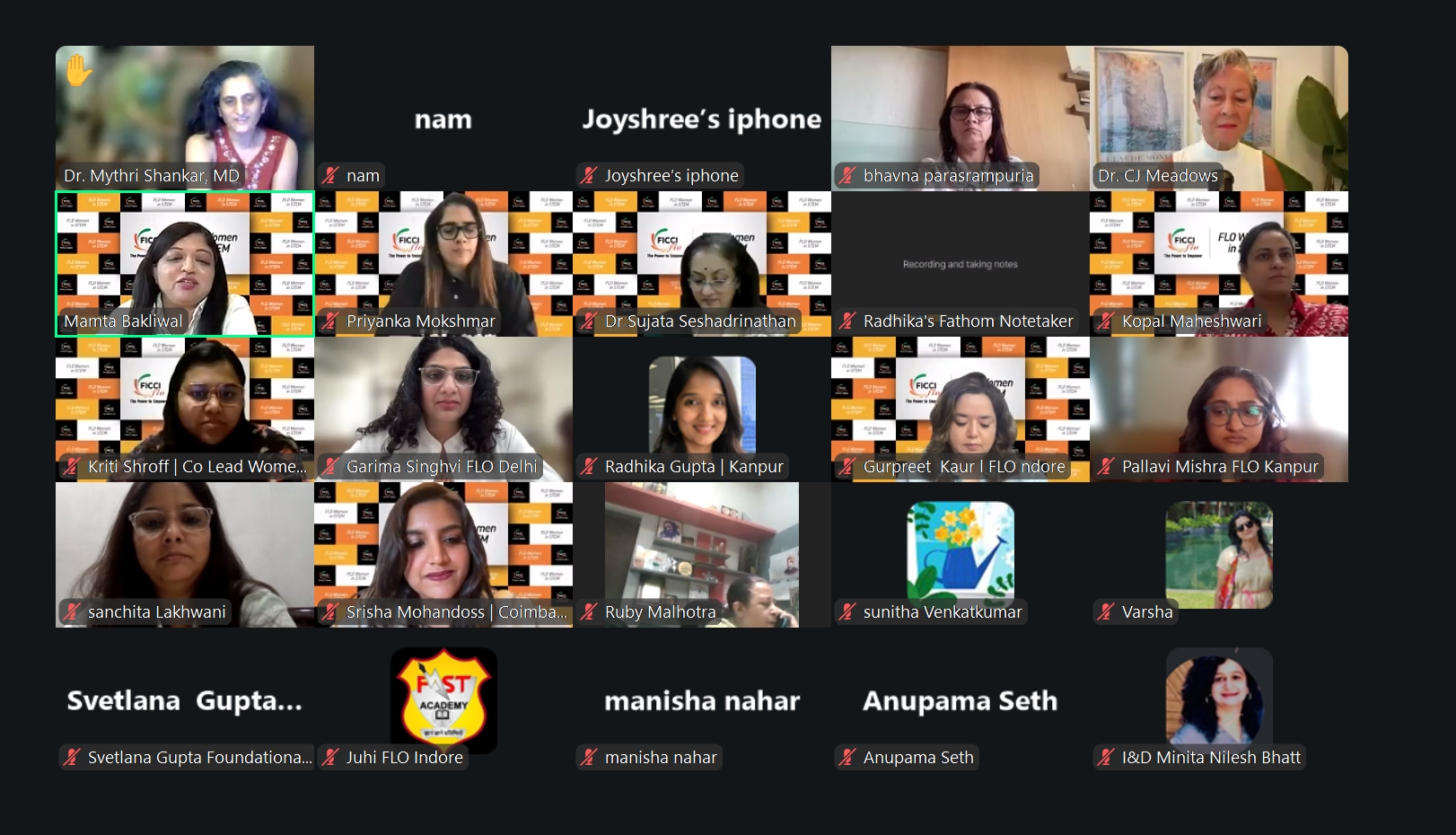

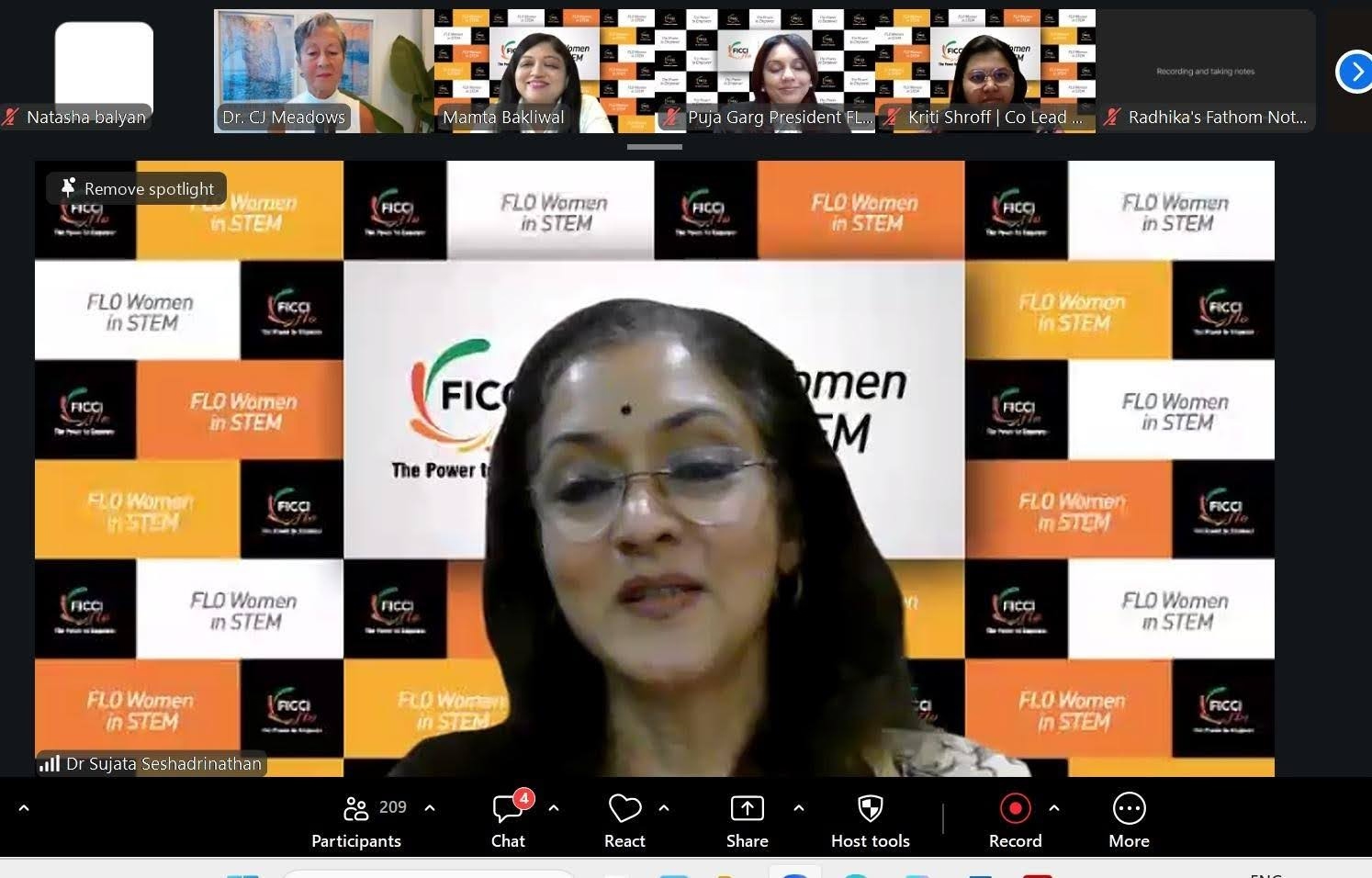
FICCI FLO, under the leadership of the 43rd National President, Ms. Puja Garg, hosted an informative webinar titled “Leading at the Frontier: Women, Innovation & the Future of Work in the AI Era,” featuring Dr. CJ Meadows, a recognized thought leader in AI, innovation, and women leadership. The virtual session was chaired by Women in STEM initiative lead, Ms. Mamta Bakliwal, and Co-Lead, Ms. Kriti Shroff. Also, special thanks to Dr. Sujatha Sheshadrinathan for warmly welcoming and introducing the speaker.
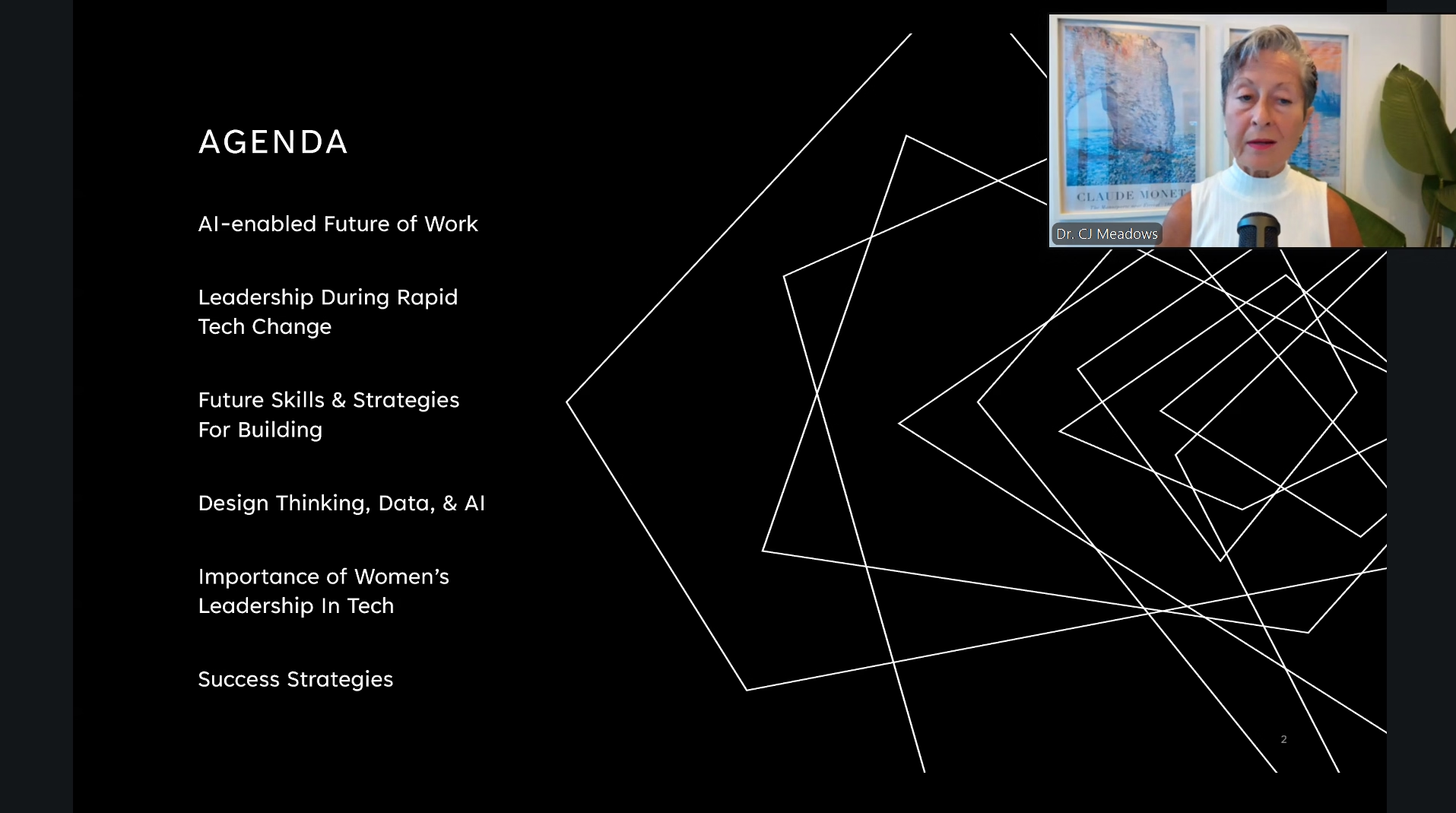
Head of Innovation for Asia at SP Jain School of Global Management, Dr. Meadows, shared insights on AI-enabled Future of Work and top leadership strategies during technological transformation. She discussed how AI complements human capabilities rather than replacing them at work.
According to Dr. C.J Meadows, integration of AI technology into everyday tasks, decision-making, and workflows is crucial to make the workforce faster, smarter, and more adaptive than ever before. She added that design thinking, future-ready skills, and women’s leadership in tech can collectively redefine innovation and create equitable opportunities in the evolving digital economy.
Dr. Meadows addressed barriers and biases in tech workplaces, highlighting how women often face different challenges than men, including underfunding for women-led tech ventures and the need to shift from control to influence in leadership positions. The session concluded with advice on leveraging AI tools like ChatGPT for structured content creation using prompts.
Key Takeaways
- AI can handle repetitive tasks, and humans are still essential for higher-value tasks such as critical thinking, problem identification, and other roles requiring physical presence.
- Humans need to collaborate and work with digital workers, such as AI-enabled systems, bots, and tools, to save time and money at work.
- There is a growing demand for roles in AI and cybersecurity. Also, the AI economy creates backend jobs, such as managing AI data centers, energy systems, chips, and networks.
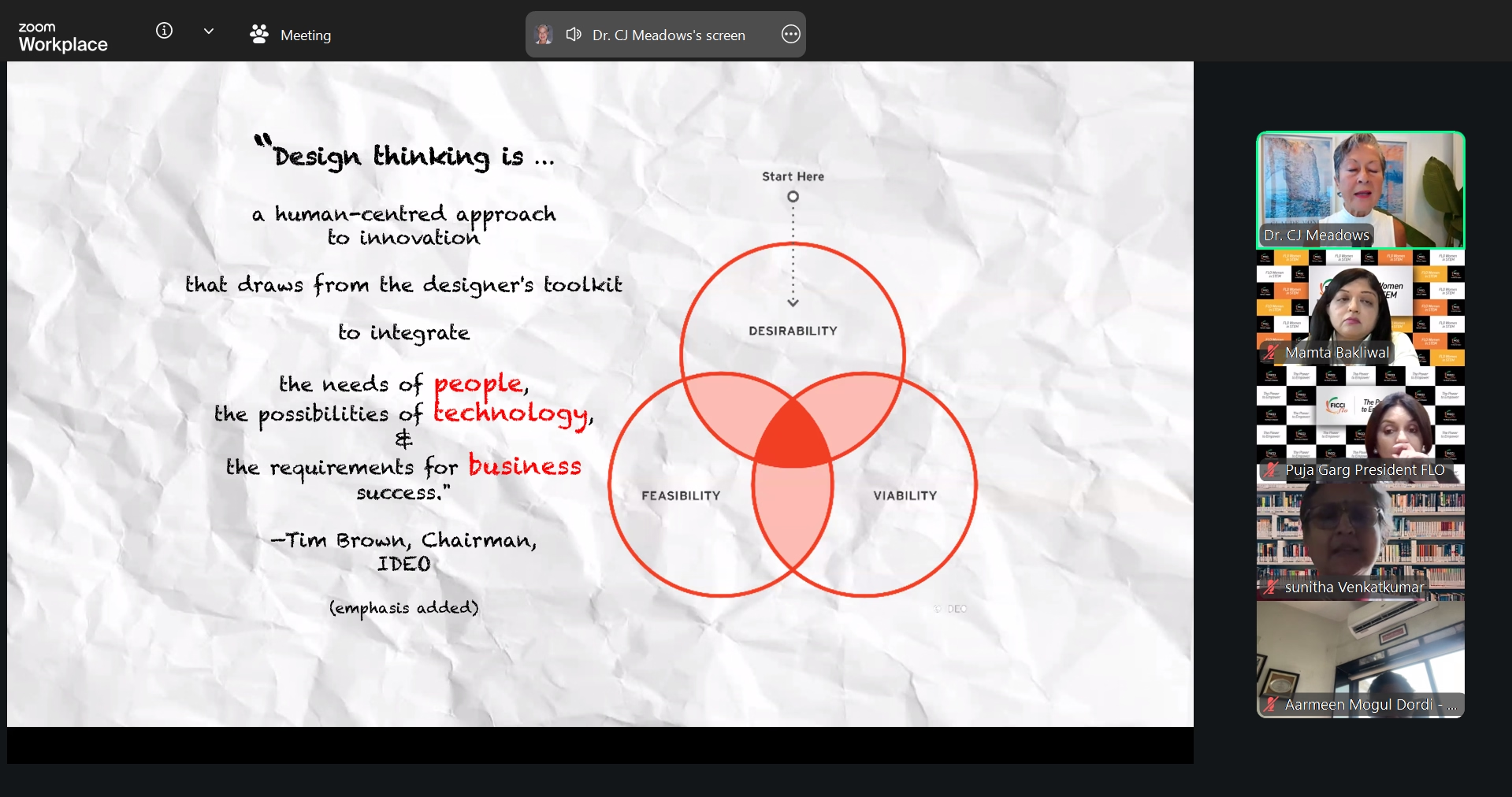
- Design thinking is a human-centered approach to innovation, and it can deliver higher financial returns to organisations.
- Design thinking involves understanding users’ real needs (desirability) before considering technological feasibility and business viability. It will help in creating human-centric and innovative solutions in an AI-driven future.
- There is a need for more women mentors and leaders in the AI and technology sector to reduce bias in innovation and inspire greater female participation in a rapidly evolving field.
Impact & Outcome
Around 410 attendees benefited from this informative session on the AI-enabled future of work and the need for more women leaders in AI to drive inclusive innovation. The session concluded with a Q&A where participants asked about implementing AI in high-touch services, collaborating with digital twins, enabling authentic innovation in multi-generational businesses, and using AI effectively in educational settings.
Overall, Dr. C.J Meadows emphasized the need for humans to focus on areas requiring physical presence, emotional intelligence, and creative problem-solving, and shared insights on overcoming barriers in tech-led workplaces.