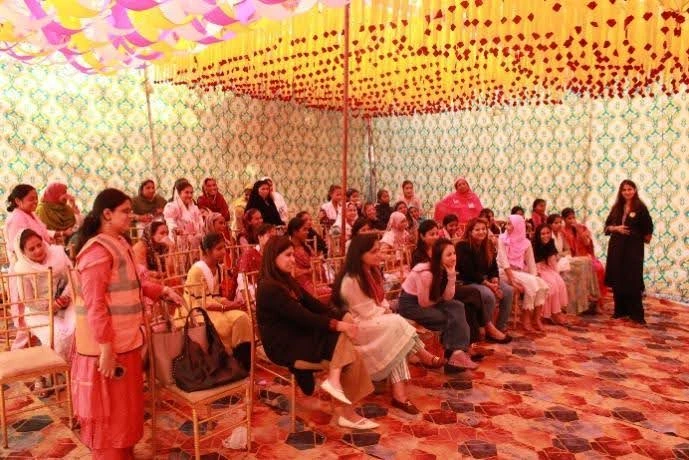
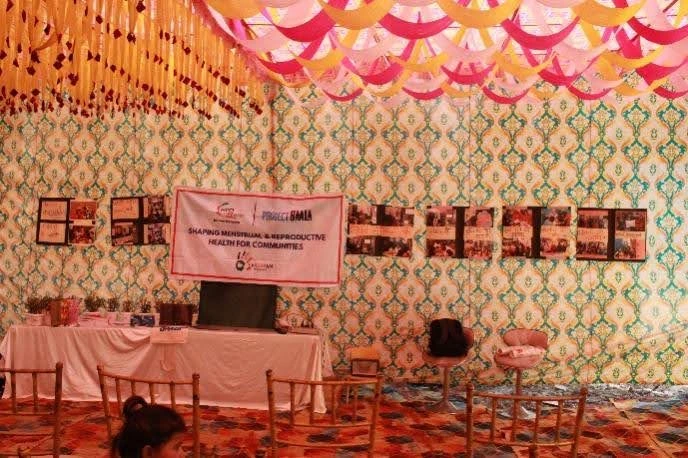
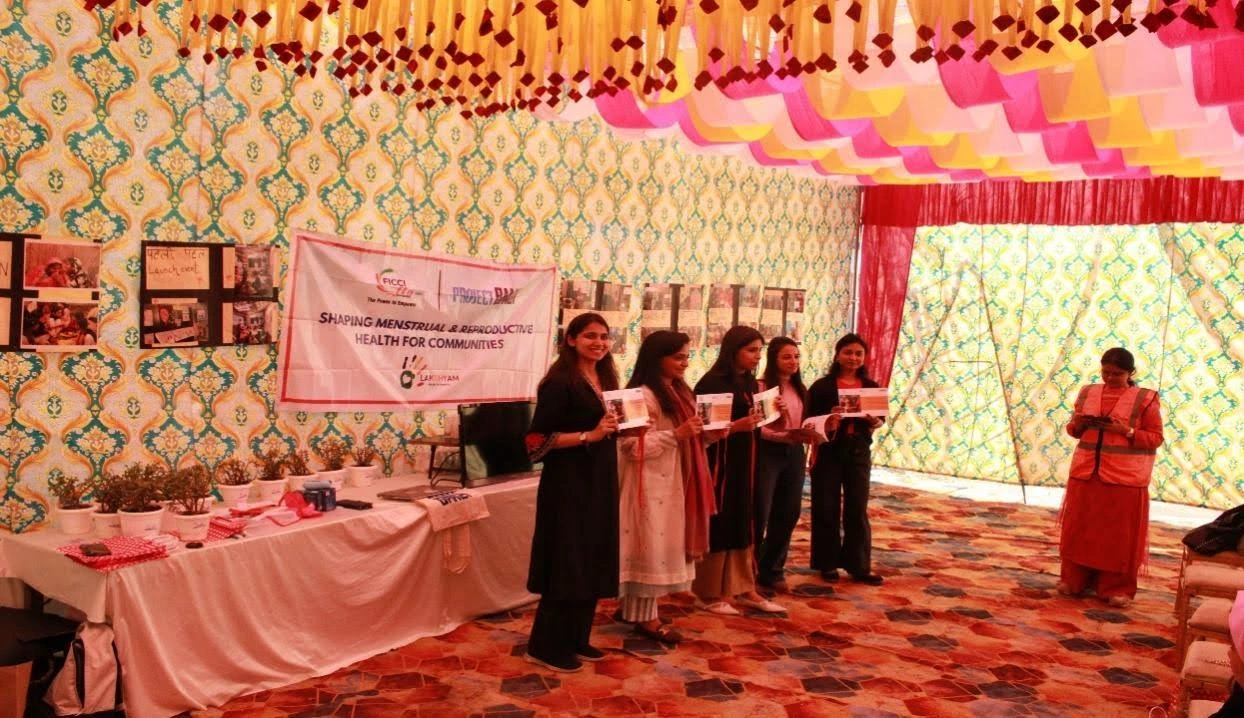
YFLO Delhi, under the leadership of Chairperson Aaradhana Dalmia, partnered with Lakshyam NGO and Baala to launch P.E.H.C.H.A.A.N., an eight-month Social and Behavioural Change Communication (SBCC) initiative in May 2025 in Shakurpur Basti, New Delhi.
The initiative focused on strengthening health-seeking behaviour related to menstrual health, reproductive health, family planning, nutrition, and menopause. Designed as a participatory and community-led programme, it aimed not merely to deliver information but to co-create sustainable behavioural change rooted in trust, dignity, and agency.
Event Purpose & Vision
The purpose of P.E.H.C.H.A.A.N. was to empower women and girls with knowledge, confidence, and agency regarding their reproductive and overall health. The programme aimed to:
- Improve knowledge, attitudes, and practices related to menstrual and reproductive health.
- Address myths, stigma, and misinformation around menstruation and family planning.
- Encourage informed decision-making and shared responsibility in family planning.
- Build community champions for sustained impact.
- Create an integrated model combining health education, nutrition, and behavioural change.
The vision was to move beyond one-time workshops and establish a long-term, community-driven model of holistic health awareness.
Programme Structure
Phase 1: Needs Assessment & Baseline
- Community mapping and participatory assessment.
- Surveys and focused group discussions.
- Identification of priority areas and key challenges.
Phase 2: Implementation (22 Sessions)
- 8 sessions on Menstrual Health & Nutrition
- 11 sessions on Family Planning & Reproductive Health
- 3 sessions on Menopause & Lifestyle Management
Sessions were conducted twice a week over five months using interactive tools, audio-visual aids, and workbooks.
Phase 3: Endline & Impact Assessment
- Endline surveys and discussions.
- Identification of community champions for Phase 2 scaling.
Key Highlights
- Participatory Learning Model
The programme prioritised interactive, activity-based sessions where participants actively engaged, reflected, and shared experiences.
- Distribution of Reusable Sanitary Pads
- 50 Baala reusable sanitary pad kits distributed.
- Waste reduction and improved menstrual hygiene practices.
- Behavioural Change Observed
- Increased openness in discussing menstruation and reproductive health.
- Improved nutrition habits and iron-rich food awareness.
- Greater confidence in family planning discussions with spouses.
- Most Significant Change
- Girls shifted from viewing menstruation as “impure” to understanding it as a natural biological process.
- Women gained clarity on contraceptive options and birth spacing.
- Increased joint decision-making in family planning.
- Holistic Lifecycle Approach
The programme connected menstruation, nutrition, fertility, menopause, and overall health—addressing them as interconnected aspects rather than isolated topics.
Way Forward & Recommendations
- Workshops for adolescent boys (ages 10–15).
- Mother-child and family unit sessions.
- Intergenerational workshops (mothers-in-law & daughters-in-law).
- Strengthening partnerships with NGOs, CSR initiatives, and government bodies.
- Scaling through a Community Champion Model.
Impact & Outcomes
Around 50 participants (25 Women, 25 Girls) demonstrated strong engagement through workbook completion, peer discussions, and increased confidence in open conversations within families. Key measurable improvements included:
- Increased awareness about menstrual biology and the menopause age range.
- Higher understanding of fertile windows and birth spacing.
- Improved knowledge of STI prevention and condom use.
- Greater recognition that family planning decisions should be mutual.
- Enhanced confidence and reduction in stigma around menstrual discussions.
The project also identified potential Community Champions to lead future cascading models for sustainability. P.E.H.C.H.A.A.N. was not just a health intervention—it was a journey of recognition, voice, and agency. From silence and stigma to confidence and conversation, the transformation within Shakurpur Basti demonstrated the power of participatory, long-term engagement.
Through this initiative, YFLO Delhi reaffirmed its commitment to meaningful social impact, community partnership, and sustainable behavioural change—ensuring that awareness translates into empowered action and informed futures.