
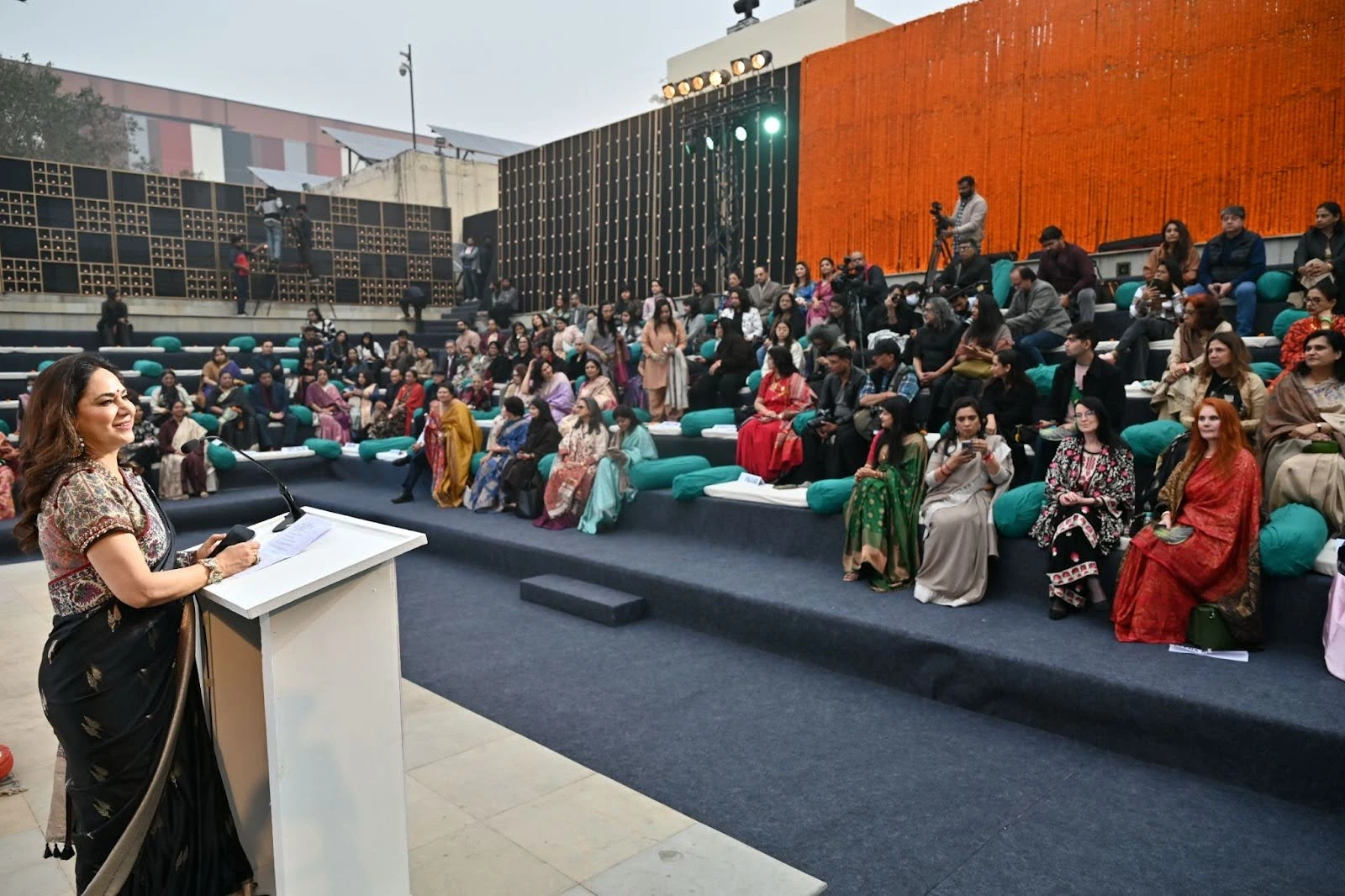
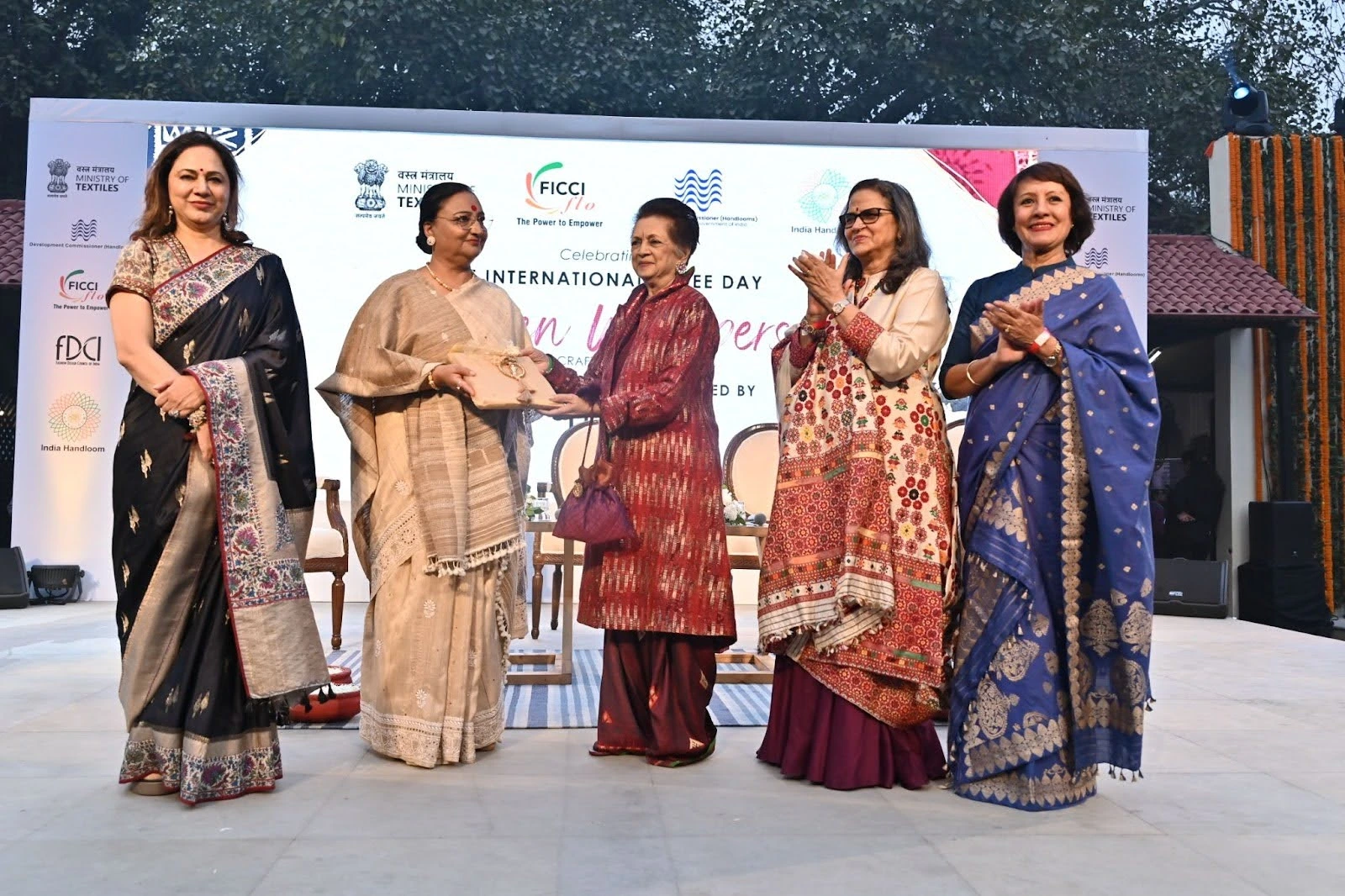

FICCI FLO, under the visionary leadership of its 42nd National President, Ms. Poonam Sharma, curated a distinctive textile and handloom showcase and dialogue titled “Woven Whispers: A Journey from Crafts to Commerce.”
Hosted at the iconic National Crafts Museum & Hastkala Academy, New Delhi, the event was organized in collaboration with the Ministry of Textiles, the Fashion Design Council of India (FDCI), and the Office of the Development Commissioner (Handlooms), Ministry of Textiles.
Conceived as an immersive celebration of India’s textile legacy, Woven Whispers traced the journey of handlooms, weaving traditions, and the timeless saree, from artisanal origins to their evolving role within contemporary design, sustainable enterprise, and global commerce.
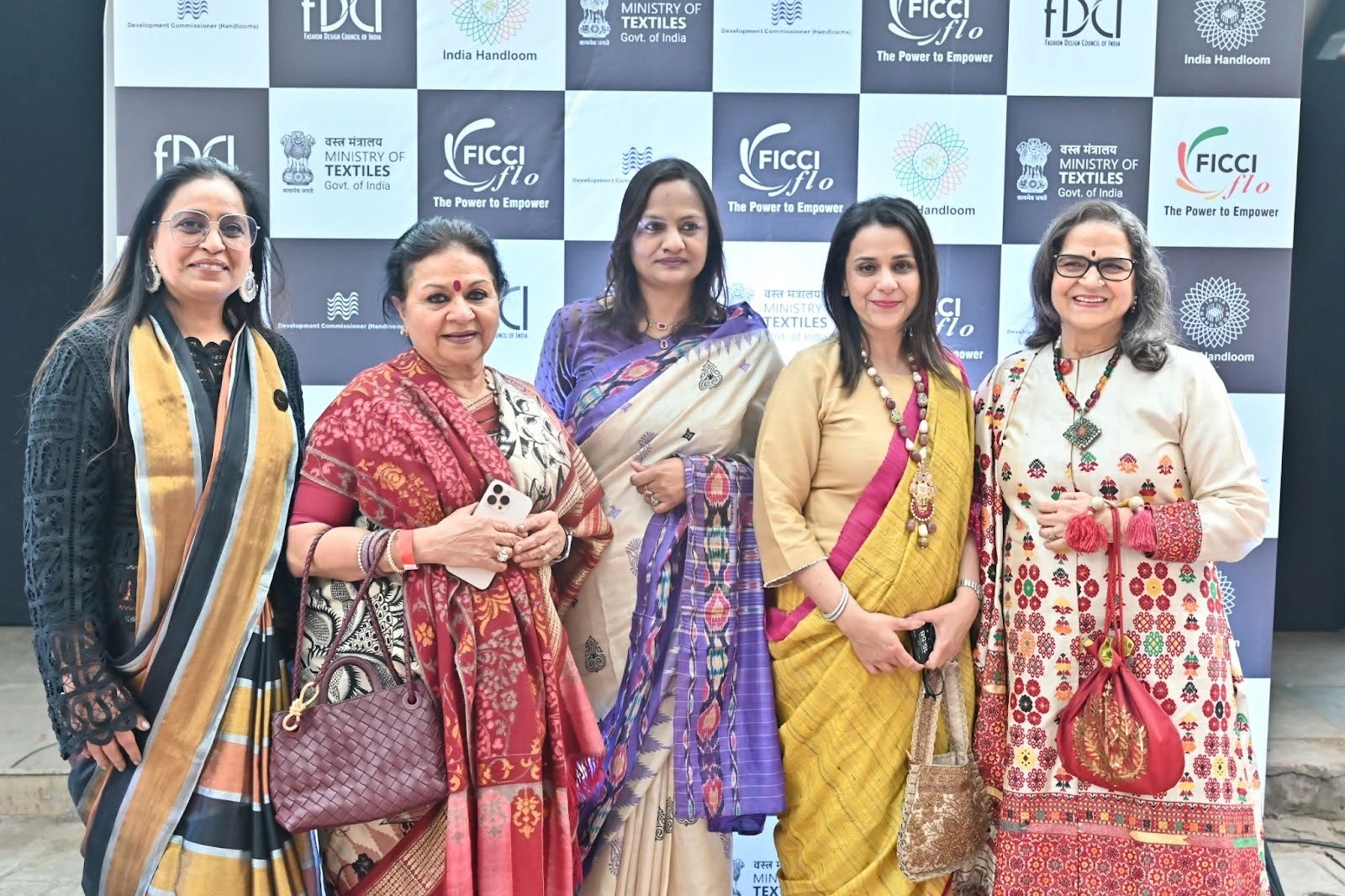
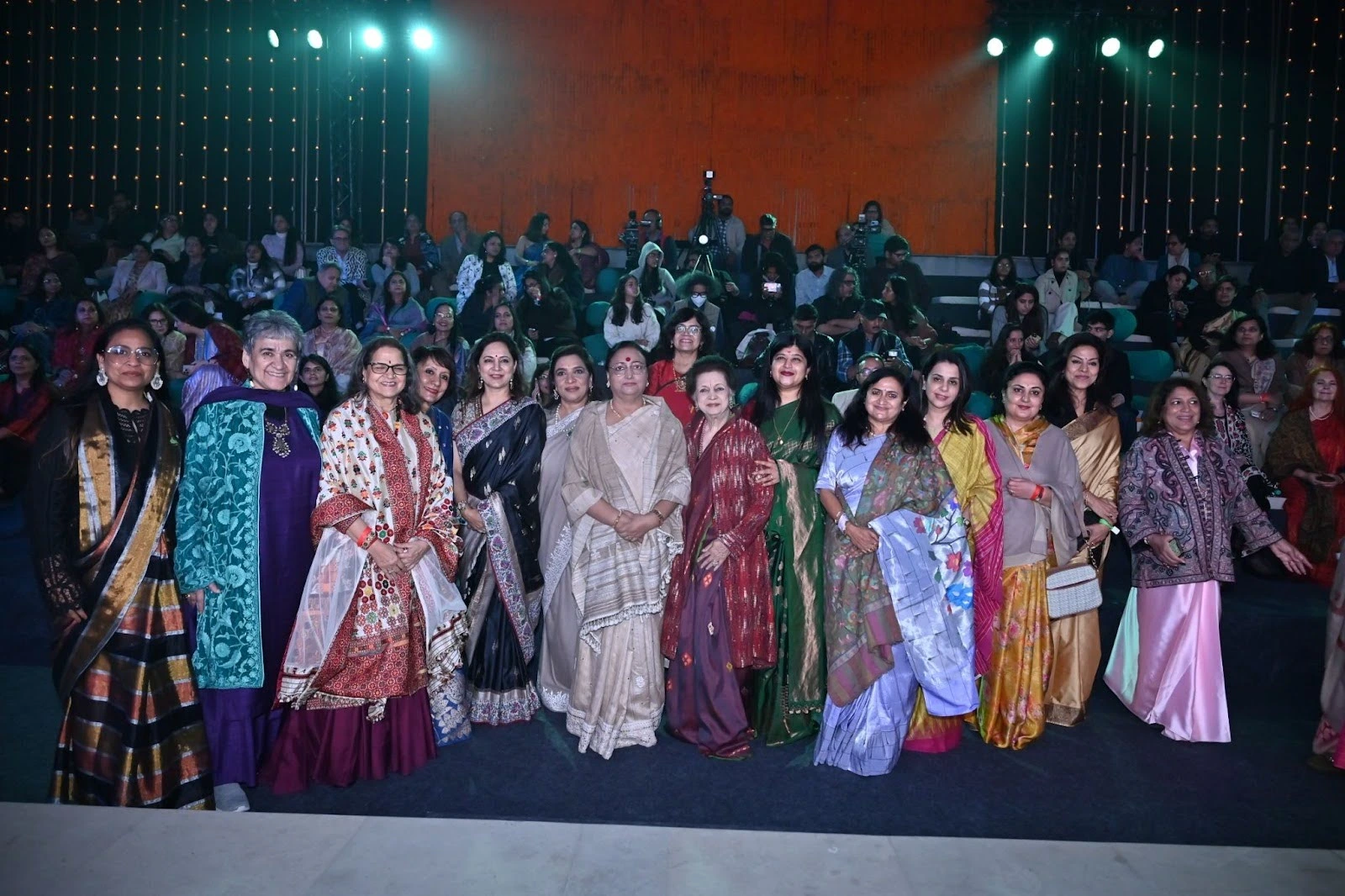
The event drew an eminent audience comprising senior government officials, policymakers, distinguished bureaucrats, members of the diplomatic corps, FICCI FLO Past Presidents and Governing Body members, along with designers, scholars, and devoted patrons of art and craft.
Adding a special cultural resonance, Woven Whispers also commemorated World Saree Day, paying homage to the saree as a living symbol of India’s heritage—one that continues to adapt, innovate, and inspire across generations. The programme seamlessly blended dialogue and design through a thoughtfully curated fashion showcase by FDCI and a compelling panel discussion titled “The Power of the Loom.”
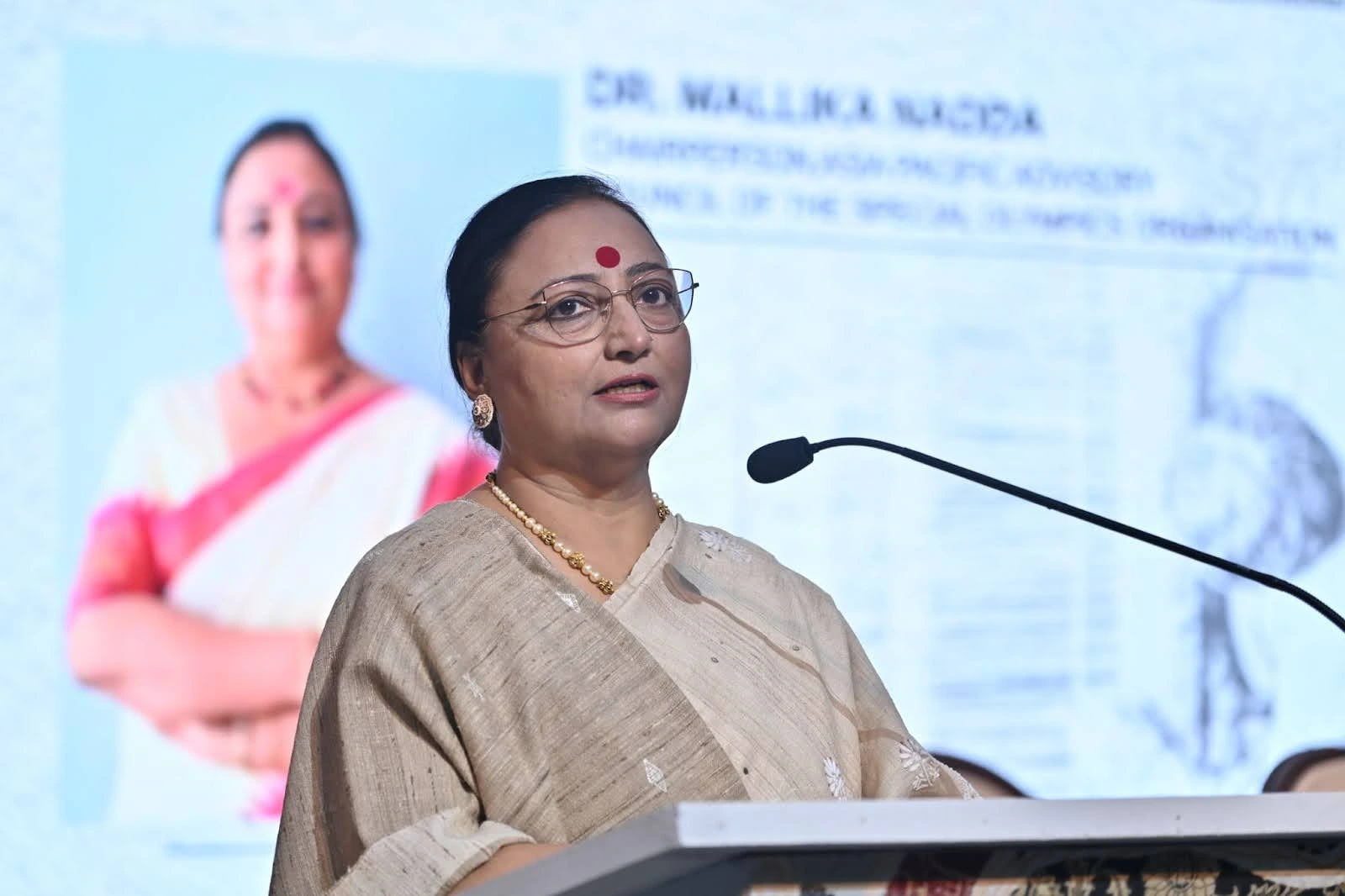
The event was honoured by the presence of Chief Guest Dr. Mallika Nadda, Chairperson of the Asia Pacific Advisory Council of the Special Olympics Organisation. With over three decades of dedicated work in the field of disability, inclusion, and social empowerment, Dr. Nadda’s presence lent profound meaning to the celebration—underscoring the shared values of community engagement, dignity of labour, and inclusive growth that lie at the heart of India’s craft traditions.
Also gracing the occasion was Mr. Sunil Sethi, Chairman of the Fashion Design Council of India (FDCI), a pioneering force in India’s fashion landscape. His association reaffirmed the vital bridge between traditional craftsmanship and contemporary design sensibilities, reinforcing the role of designers as custodians and interpreters of heritage in modern contexts.
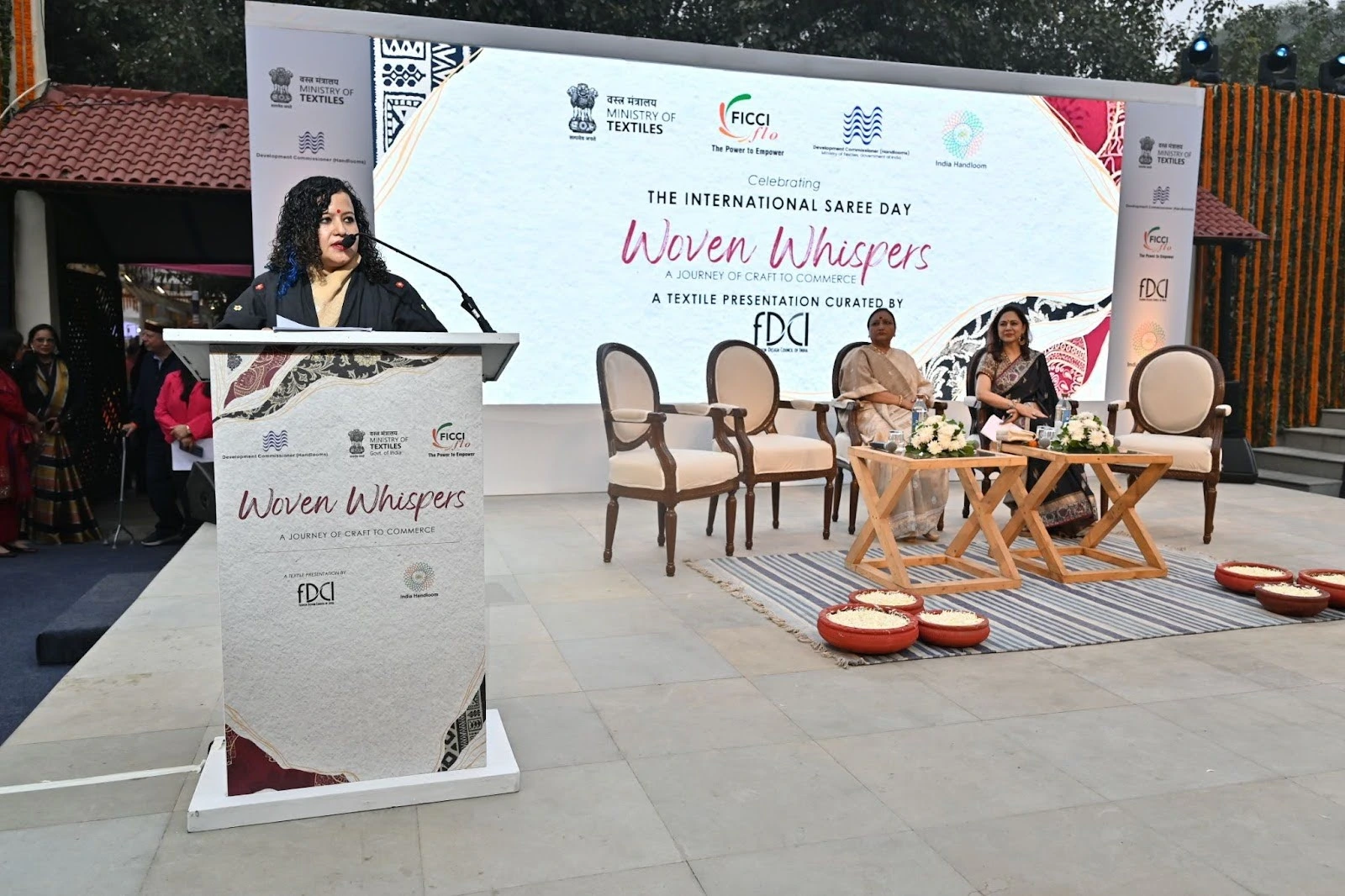
In her presidential address, Ms. Poonam Sharma, National President, FICCI FLO, emphasized the urgent need to strengthen India’s handloom and handicrafts ecosystem by empowering women artisans and weavers. She highlighted the importance of access to knowledge, resources, markets, and platforms—enabling women-led enterprises to move confidently from subsistence craftsmanship to sustainable commercial success. Her address reaffirmed FICCI FLO’s enduring commitment to nurturing heritage industries while fostering economic independence and leadership among women.
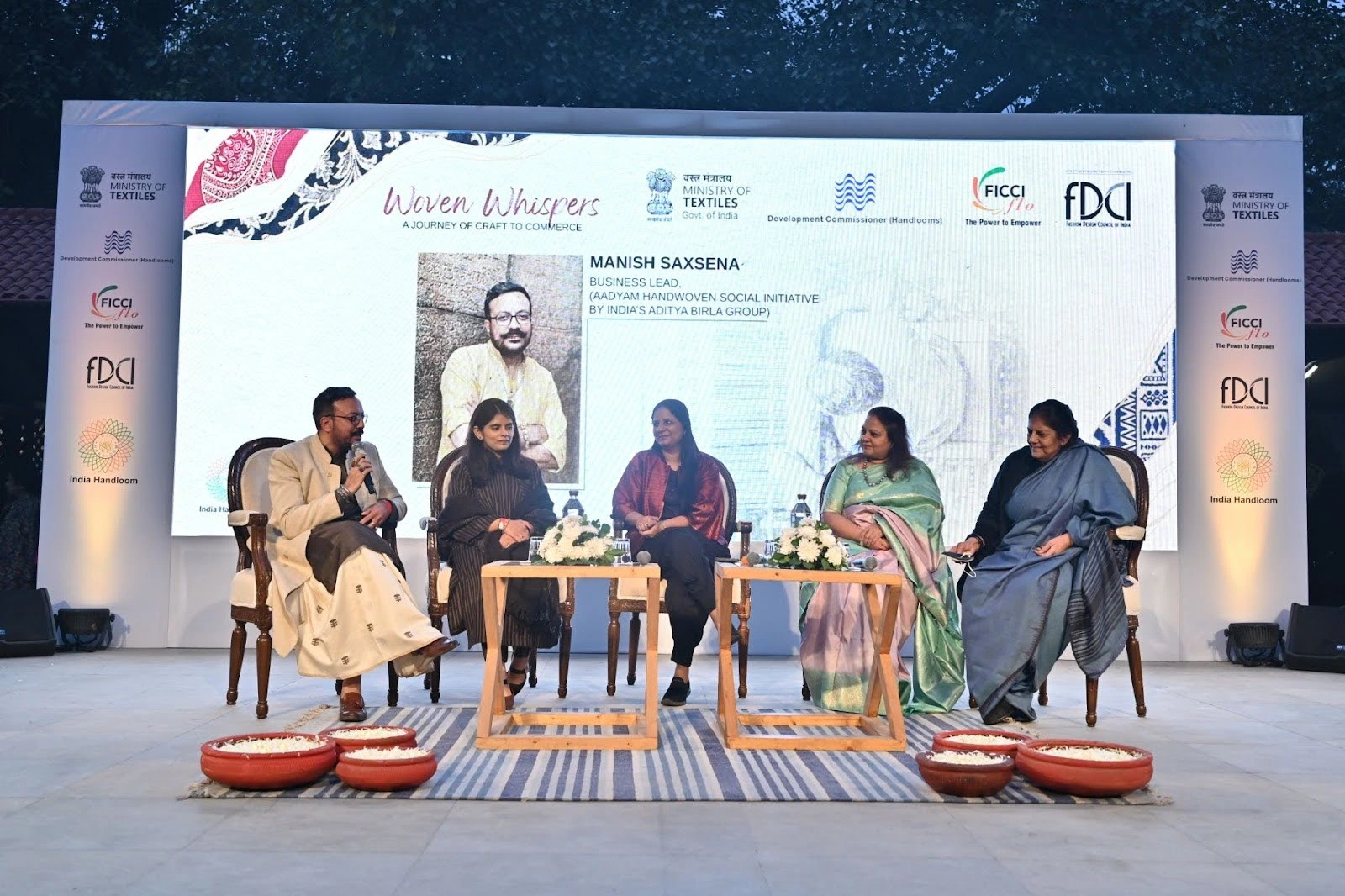
Panel Discussion: Power of the Loom
The panel discussion brought together an influential and diverse group of voices from the textile, fashion, and craft ecosystem, offering layered perspectives on heritage, sustainability, entrepreneurship, and commerce. The dialogue was interwoven with evocative classical dance and music performances, creating a multisensory experience that mirrored the rhythm and soul of the loom itself.
Panelists:
- Moderator: Manish Saksena, Business Lead, Aadyam Handwoven
- Rta Kapur Chishti, Saree Historian & Textile Scholar
- Jeyashree Ravi, Managing Director, Palam Silks
- Isha Manchanda, Textile Specialist, Good Earth
- Gunjan Jain, Founder, Vriksh Designs
Key Themes and Insights
- Sustainability and Ethical Practice:
The discussion underscored that the longevity of handloom traditions is intrinsically linked to environmentally responsible practices. Ethical production, ecological mindfulness, and conscious sourcing were identified as essential pillars for sustaining both craft and community.
- Women as Change Agents:
A central thread of the conversation was the transformative role of women artisans and women entrepreneurs as drivers of innovation, leadership, and socio-economic empowerment within craft clusters. The panel highlighted the importance of nurturing grassroots leadership and enabling women to compete confidently in evolving markets.
- Market Access and Scalability:
Panelists explored pathways to expand market reach for traditional weavers through designer collaborations, strategic branding, storytelling, digital platforms, and structured linkages between craft clusters and scalable commerce channels.
- Cultural Continuity:
The saree and handloom were reaffirmed not merely as commodities, but as living cultural expressions—carriers of regional histories, identities, and intergenerational knowledge that must be preserved even as they evolve.
Fashion Presentation: “The Loom Speaks”
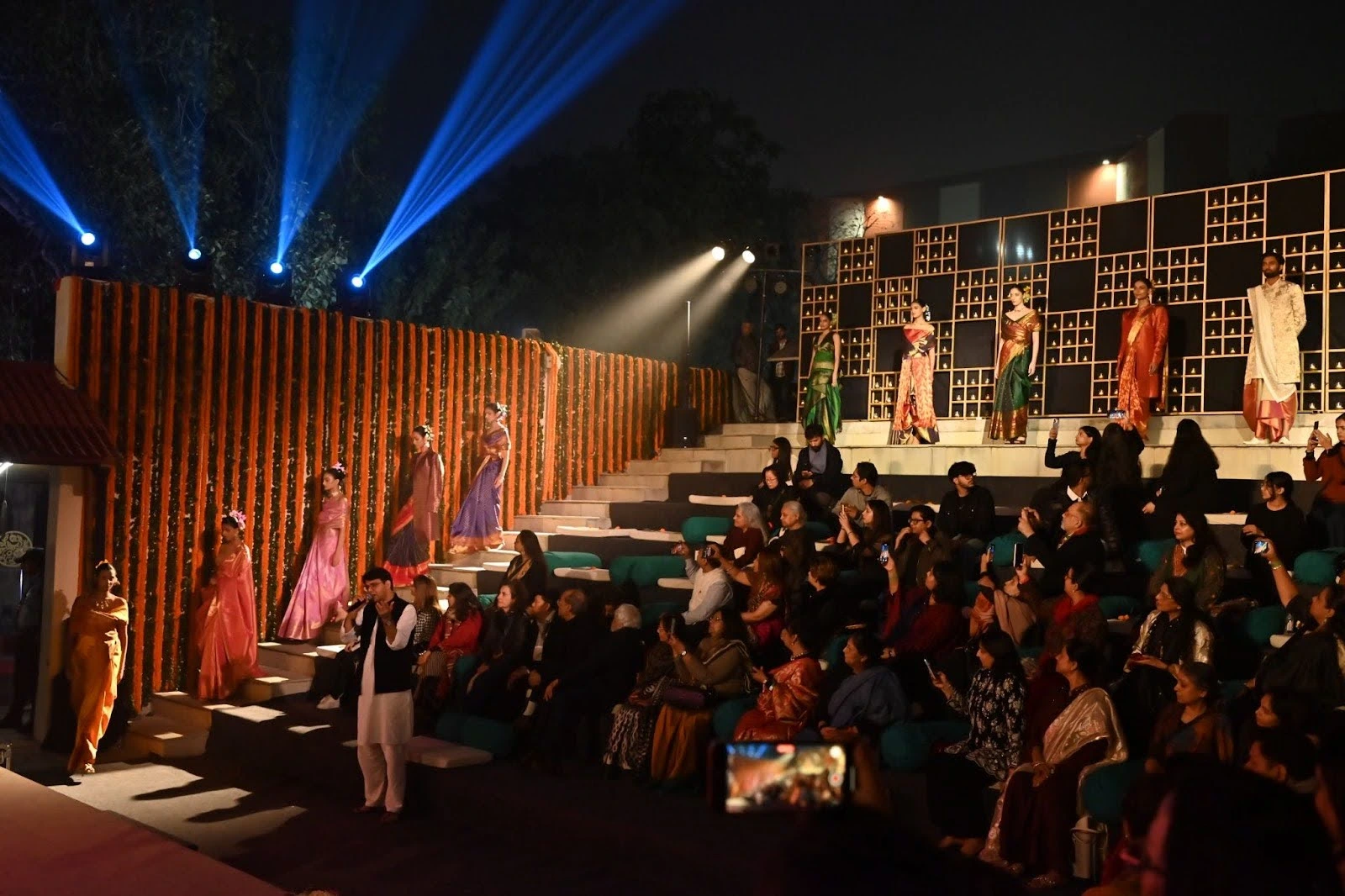
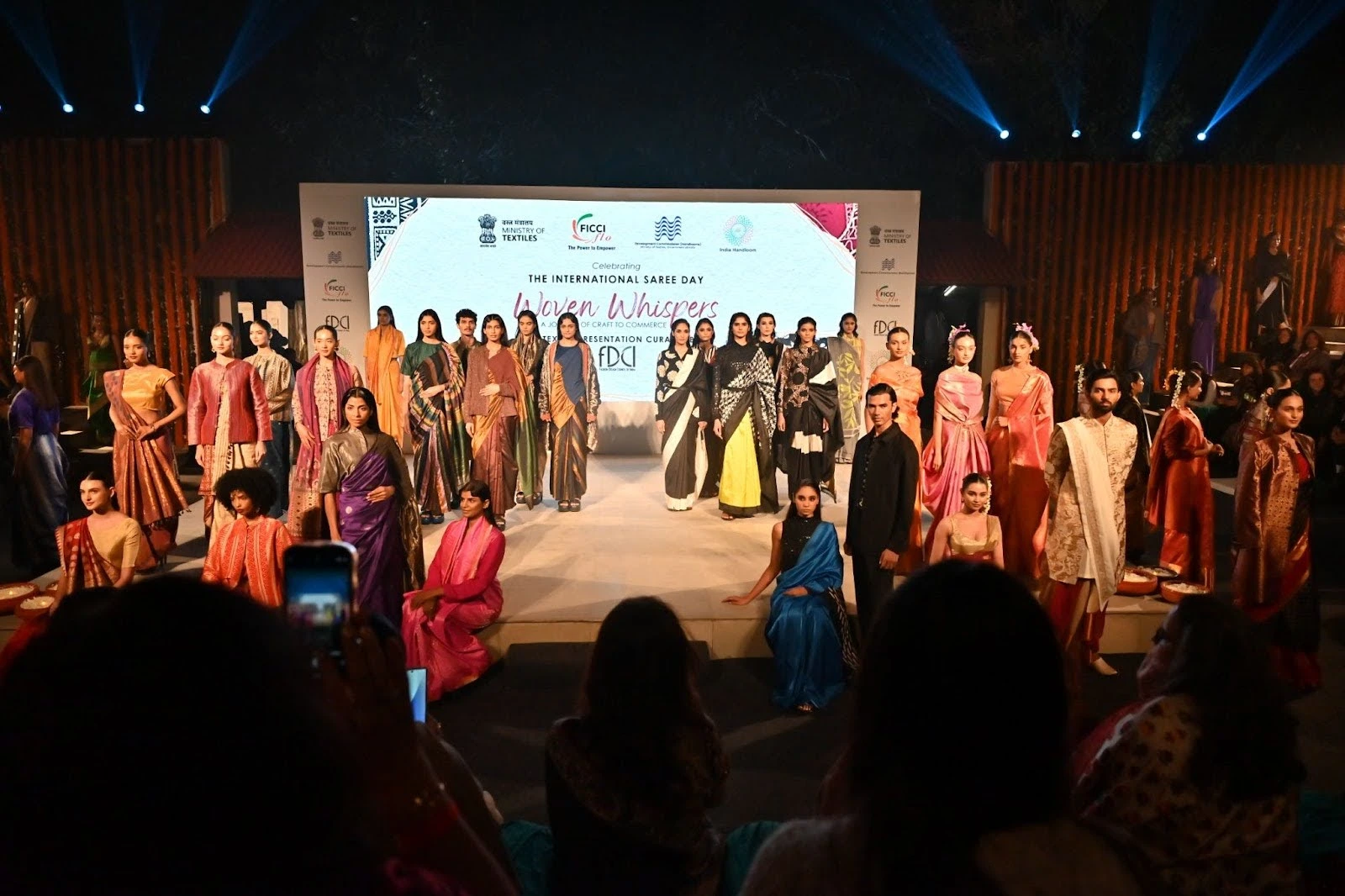
A highlight of the evening was the fashion presentation curated by FDCI, celebrating Indian textile heritage through contemporary interpretation. The showcase presented handloom as a dynamic design language, capable of innovation while remaining rooted in tradition. Participating designers and labels included:
- Abraham & Thakore — refined explorations of ikat.
- Akaaro by Gaurav Jai Gupta — architecturally engineered Banarasi weaves.
- Lahé Looms by Jahnabi Phookan — slow fashion narratives centred on Assam’s silks.
- Advaya — heirloom textiles articulated through nuanced textures.
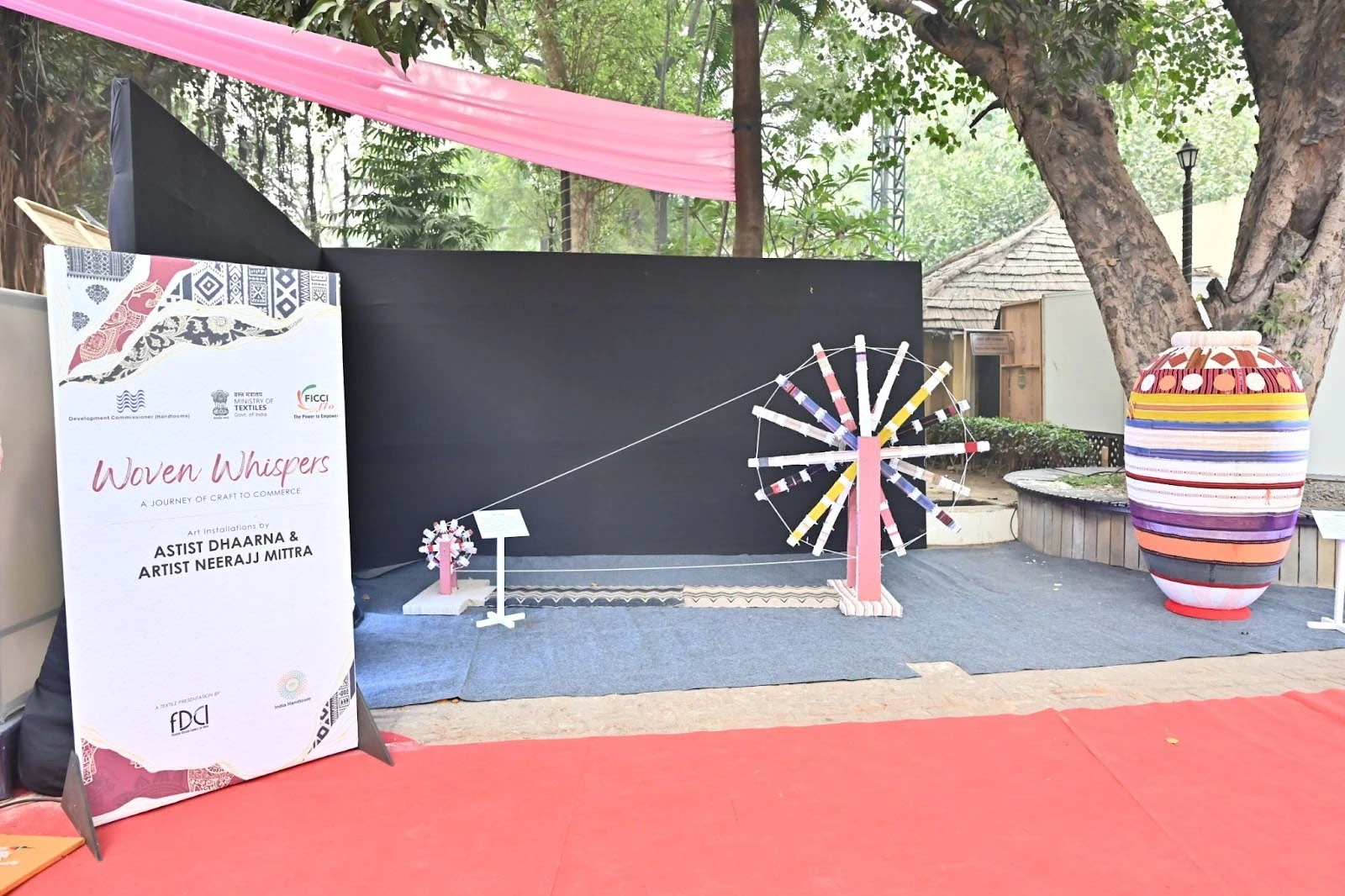
The presentation was elevated by immersive art installations titled “Weaves of India,” created by renowned artists Dhaarna and Neerajj Mitra, adding a powerful visual dialogue to the evening. Live classical fusion music accompanied the models as they descended the amphitheatre steps, while classical dance interludes lent cultural depth and emotional resonance.
Impact & Outcome
With over 170 attendees, Woven Whispers emerged as a significant cultural and intellectual engagement at the National Crafts Museum. The event reinforced the cultural, social, and economic significance of handlooms and handicrafts within India’s textile narrative, while foregrounding the pivotal contributions of women artisans and women-led enterprises.
The programme encouraged deeper designer–artisan collaborations, fostered dialogue on sustainability and scalability, and strengthened the bridge between heritage and contemporary markets. More than a celebration, Woven Whispers reflected FICCI FLO’s larger vision of transforming heritage into opportunity and craftsmanship into enduring economic strength.